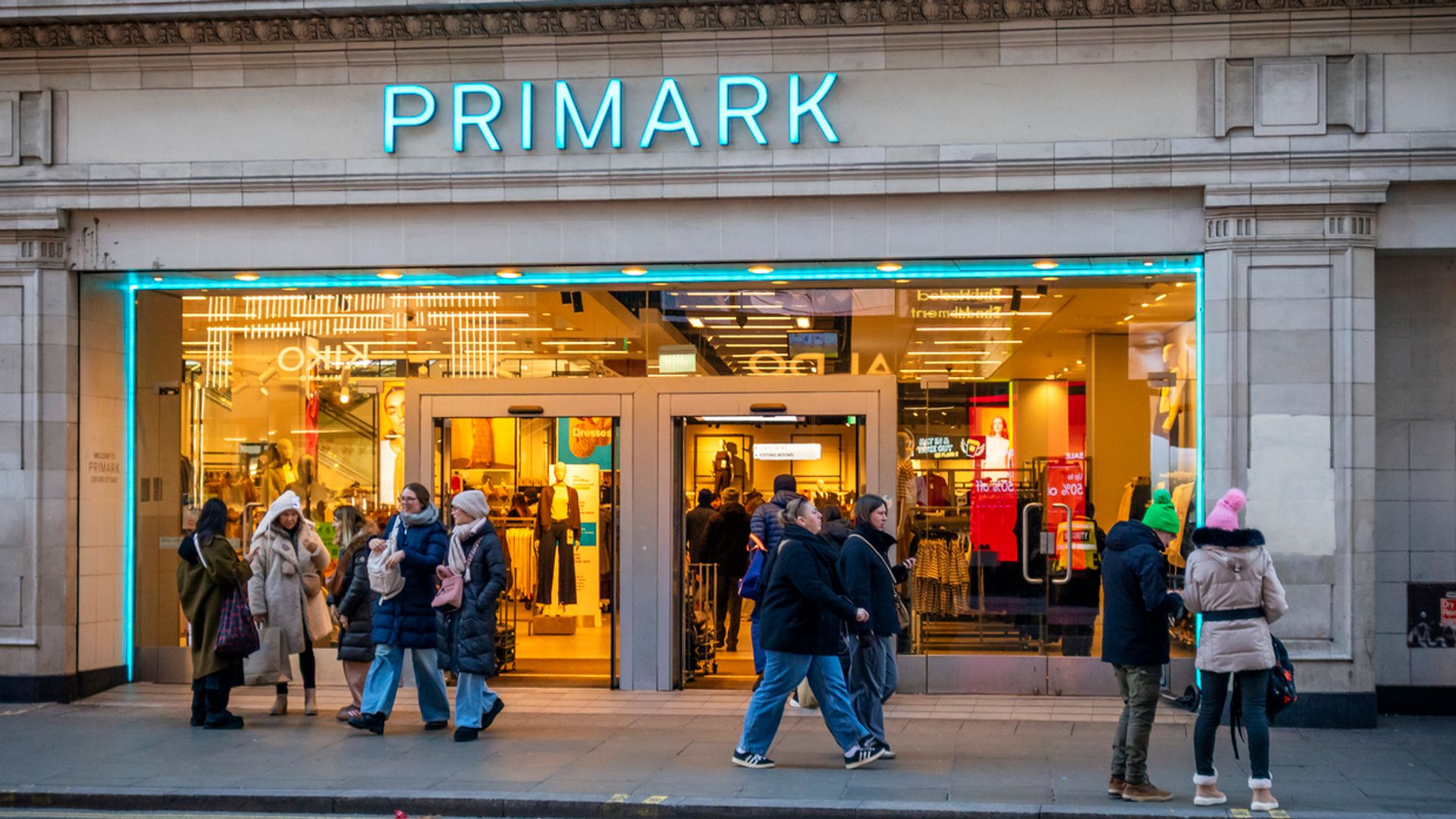
The retail peanut gallery lost its collective mind when Primark finally cracked and tested home delivery. Headlines crowed about a long-awaited digital evolution. Analysts praised the brand for finally bowing to modern consumer habits.
They are dead wrong.
I have watched legacy brands hemorrhage millions chasing the e-commerce ghost, treating online shipping as a mandatory rite of passage rather than the margin-crushing parasite it actually is. Primark built a global empire on a brutally simple premise: hyper-cheap fashion sold in massive physical footprints with near-zero logistics overhead for digital fulfillment. Dragging that model into the postal network does not modernize the company. It dilutes the very thing that made them untouchable.
The Economics Of Dirt-Cheap Inventory Hate Shipping Costs
Let us look at the math nobody in the corporate boardroom wants to whiteboard out loud.
Primark sells t-shirts for four pounds and jeans for fifteen. The average basket value in their stores sits at a modest level because every item is priced like pocket change. When you introduce home delivery to a basket of low-priced, bulky goods, the shipping math breaks down instantly.
A courier does not care if they are dropping off a five-thousand-dollar designer handbag or a three-pound baby romper. The fuel, the labor, the warehouse sorting, and the cardboard cost roughly the same.
"Shipping a five-pound garment eats your gross profit margin before the box even leaves the loading dock."
When your average item price is measured in single digits, fulfillment costs do not just eat into profits. They swallow them whole, chew them up, and ask for seconds. Retailers offering low-cost fashion online face a brutal choice: absorb the delivery expense and watch operating margins flatline, or pass the actual cost of transport onto the consumer, who will instantly rebel against paying six pounds of shipping on a seven-pound jumper.
The Physical Store Is Not A Burden It Is The Weapon
The lazy consensus in modern commerce claims that physical retail is dying and digital storefronts are the savior. This is a fairy tale invented by software companies selling platform subscriptions.
Primark does not sell clothes; they sell an environment of impulse. The physical stores function as giant, fluorescent-lit dopamine traps. You walk in for socks and walk out with a scented candle, a seasonal throw pillow, and three shirts you never intended to buy. That basket expansion happens because the merchandise is right there to touch, grab, and toss into a giant blue shopping bag.
Translate that experience to a browser window, and the magic evaporates.
Online, consumers comparison shop with ruthless efficiency. They filter by the lowest price, scrutinize fabric compositions they would ignore on a hanger, and return items at rates that would shock an amateur merchant. Fashion returns are an operational nightmare. Customers buy three sizes of the same cheap hoodie, keep one, and send two back coated in pet hair and foundation stains. Processing those returns on low-margin inventory is a fast track to corporate bankruptcy.
What Happens When The Low-Cost Leader Starts Acting Like Everyone Else
By introducing home delivery, Primark abandons its greatest differentiator: extreme operational discipline.
For decades, they refused to play the online discount game. While competitors built bloated logistics networks and chased unprofitable digital eyeballs, Primark kept its overhead skeletal. They forced customers to walk through their doors, browse the racks, and check out at lightning speed.
By bending to the vocal minority of shoppers whining on social media about the lack of a checkout button, management risks opening a Pandora's box of fixed costs. Warehouses need to be leased. Packing staff need to be hired. Software integrations need constant maintenance.
Imagine a scenario where shipping volume spikes during winter, forcing temporary labor contracts at triple-digit wage rates, only for return rates to surge past forty percent in January. The cash bleed will be silent, steady, and devastating.
The Real Fix For Modern Retail
If you run a retail brand, stop listening to digital consultants who treat logistics as an afterthought.
- Protect your unit economics. If an item costs five pounds to make and sell, do not add a seven-pound fulfillment chain behind it.
- Monetize the footprint. If customers want convenience, make them pay the full freight cost upfront. Never subsidize low-margin delivery to chase vanity metrics like gross merchandise value.
- Double down on the destination. Make physical stores so compelling, fast, and culturally relevant that online browsing feels like looking at a photocopy of a masterpiece.
Primark survived every high street apocalypse because they refused to play a game they were not built to win. Now, they are stepping onto a battlefield owned by logistics giants and pure-play discounters with infinite venture capital backing.
They wanted to reach every doorstep in the country. They are about to find out how expensive it is to keep them all happy.