A presidential waiver on paper does not create a commercial buyer on the water. When Washington issued General License 135 in October 2026 to permit Russian diesel shipments after U.S. retail diesel prices surged from $3.48 per gallon in early January to a September peak of $6.53 per gallon, commercial traders still refused to clear the cargoes.
Standard market coverage treats this hesitation as a simple tug-of-war between high fuel prices and sanctions headlines. That framing misses the real mechanism. Diesel trading is an execution chain built on statutory certainty, bank credit lines, marine insurance, port acceptance, and reputational risk. When any link in that chain faces legal ambiguity or political pushback, the commercial discount required to compensate for tail risk exceeds the spread available on the physical barrel.
Deconstructing Standard Coverage
Typical energy reporting explains trader caution through three familiar points: elevated diesel prices create political pressure for relief, a Treasury license opens a legal pathway for imports, and traders weigh compliance or reputation costs before taking cargo. Those observations capture the surface tension, yet they leave the underlying mechanics disconnected.
First, standard coverage treats a sanctions waiver as an on-off switch rather than a conditional contract. An executive license does not settle statutory conflicts with prior congressional restrictions, nor does it bind state port authorities or foreign counterparties. Second, it treats trader reluctance as a single emotional or political choice instead of a multi-party compliance bottleneck. Third, it assumes that rerouted cargoes simply erase the price signal, overlooking how longer voyages, extra intermediaries, and forced diversions alter delivered costs and freight economics.
The Execution Friction Model
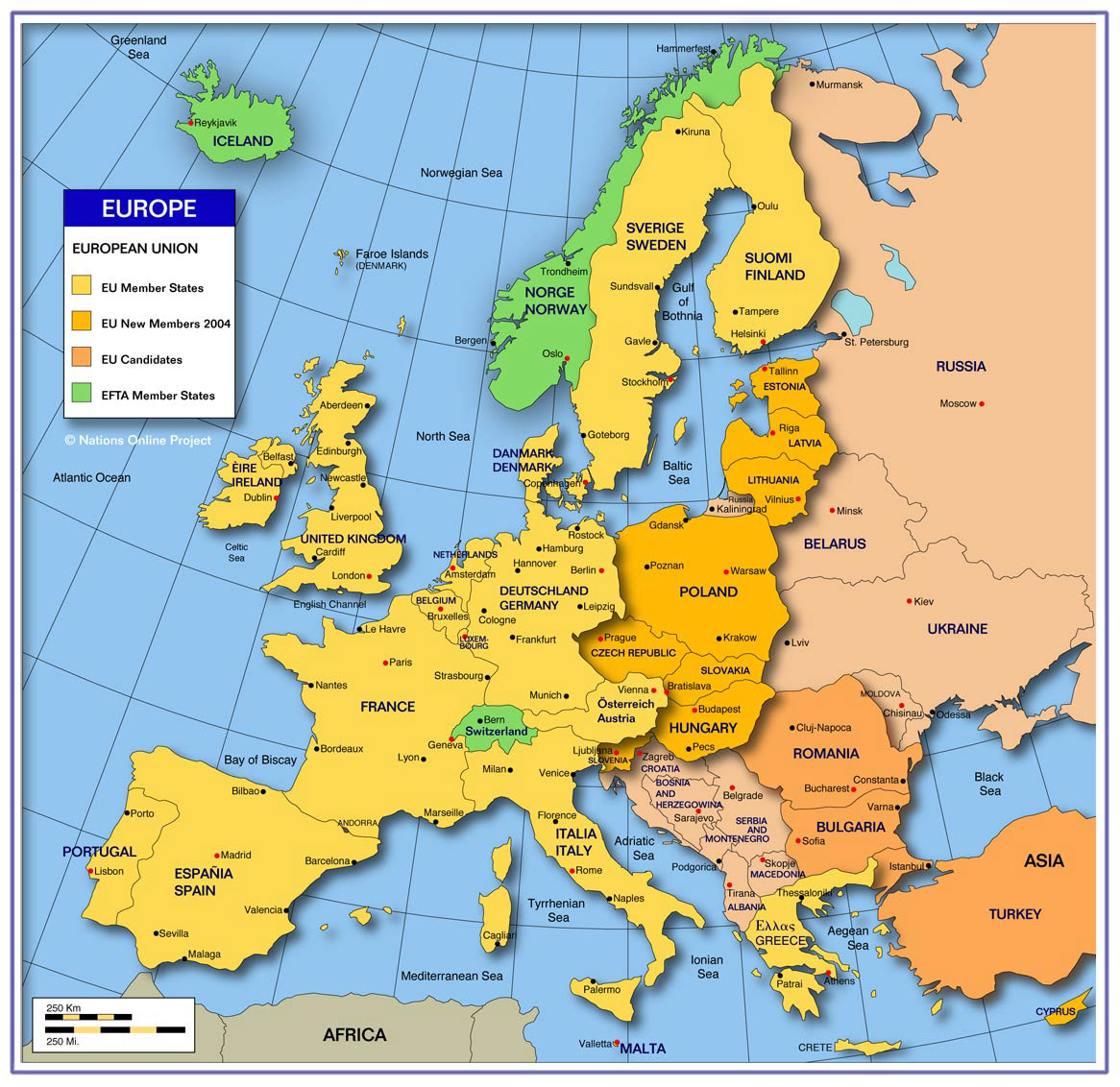
To understand why cargoes loaded at Baltic terminals like Primorsk diverted toward South America or the Mediterranean rather than discharging along the U.S. East Coast, evaluate every physical barrel against four sequential hurdles.
- Statutory and State Contestation: An executive waiver can face immediate pushback from lawmakers proposing blocking legislation and from state governors warning port and terminal operators against handling the fuel.
- Balance-Sheet Gatekeeping: Commercial banks and protection-and-indemnity insurers price enforcement reversal risk asymmetrically; a single regulatory shift or litigation threat can freeze letters of credit and hull or cargo coverage.
- Terminal and Midstream Liability: Even if financing clears, receiving terminals and storage operators face legal exposure, state enforcement threats, and customer boycotts if they commingle or berth contested barrels.
- Reputational and Political Exposure: Trading houses, refiners, and retail fuel brands weigh domestic political backlash, allied friction, and long-term brand damage against short-term trading margins.
The first bottleneck is statutory durability. A trader who buys waterborne product on a multi-week voyage takes on exposure that rules could tighten before discharge occurs. A second bottleneck is operational indemnity. A cargo cannot move cleanly through the supply chain if banks hesitate to confirm credit, insurers restrict war or sanctions clauses, or terminal operators refuse berthage.
Consider what happens when a tanker leaves Primorsk bound for the Atlantic coast while lawmakers signal opposition and state officials warn port operators. Even if the federal license cites authority to allow the import, a terminal operator weighing state-level legal battles and commercial blowback has a strong incentive to reject the vessel. Without guaranteed discharge optionality, the buyer's demurrage and diversion risk rises sharply.
Why Prices and Flows Diverge
A common assumption in energy markets is that announcing new supply—such as figures cited around 300,000 metric tonnes initially and larger follow-on volumes—should immediately compress refined product spreads. In practice, price reactions to policy announcements often outrun physical delivery.
Short-term futures and prompt benchmarks can dip on headline relief when traders price the possibility of incremental supply. Physical differentials behave differently because prompt industrial and freight demand requires barrels that can clear customs, pass compliance checks, and enter distribution pipelines without delay. When cargoes stall at sea, alter course, or head into secondary destinations such as the Amazon basin or Mediterranean ports, the expected U.S. supply cushion fails to materialize.
This divergence also explains why diversion does not equal frictionless substitution. Sending a vessel to a more distant market or through additional intermediaries increases voyage time, freight expense, and transaction complexity. A known fact in maritime logistics is that longer ton-mile routes tie up vessel capacity and add voyage costs; what remains an educated hypothesis in real time is how much of any discount is absorbed by shipping intermediaries versus passed through to final buyers in destination ports.
Operational Playbook for Commodity Desks
Trading desks, industrial buyers, and risk managers evaluating sanctioned or recently waived energy flows should enforce a strict pre-commitment checklist before taking title.
- Map full counterparty sign-off before fixing freight: Confirm written alignment across the financing bank, marine insurer, charterer, and receiving terminal rather than relying solely on a federal license text.
- Stress-test statutory and state-level durability: Evaluate pending legislative challenges, executive authority limits, and state port directives that could block discharge mid-voyage.
- Price diversion and demurrage into the landed spread: Model worst-case voyage extensions, alternative discharge ports, and waiting time rather than valuing the cargo on a clean benchmark differential.
- Verify provenance and chain-of-custody documentation: Audit loading port records, vessel flags, ship-to-ship transfer histories, and blending certificates so compliance teams are not forced into emergency unwinds.
- Cap concentration and reputational exposure: Set strict position limits on politically sensitive cargoes where downstream retail or industrial customers may refuse delivery.
Limits of the Framework
No compliance screen eliminates policy whiplash. A license can be amended, challenged in court, or paired with secondary restrictions that alter risk overnight. Strict pre-trade diligence also carries an opportunity cost: desks that require complete legal and operational certainty may pass on profitable arbitrage if a rival finds a compliant structure or alternative supply route. Furthermore, public vessel tracking and port reports often lag actual commercial negotiations, meaning market participants must separate confirmed discharge from speculative routing.
Strategic Action
Treat headline sanctions waivers as conditional options rather than guaranteed supply until every operational link—credit, insurance, port acceptance, and statutory standing—is contractually secured. For industrial diesel consumers and trading desks alike, the highest-value move is to lock in undisputed regional refinery supply and flexible logistics contracts rather than betting on contested long-haul cargoes to close tight distillate balances.