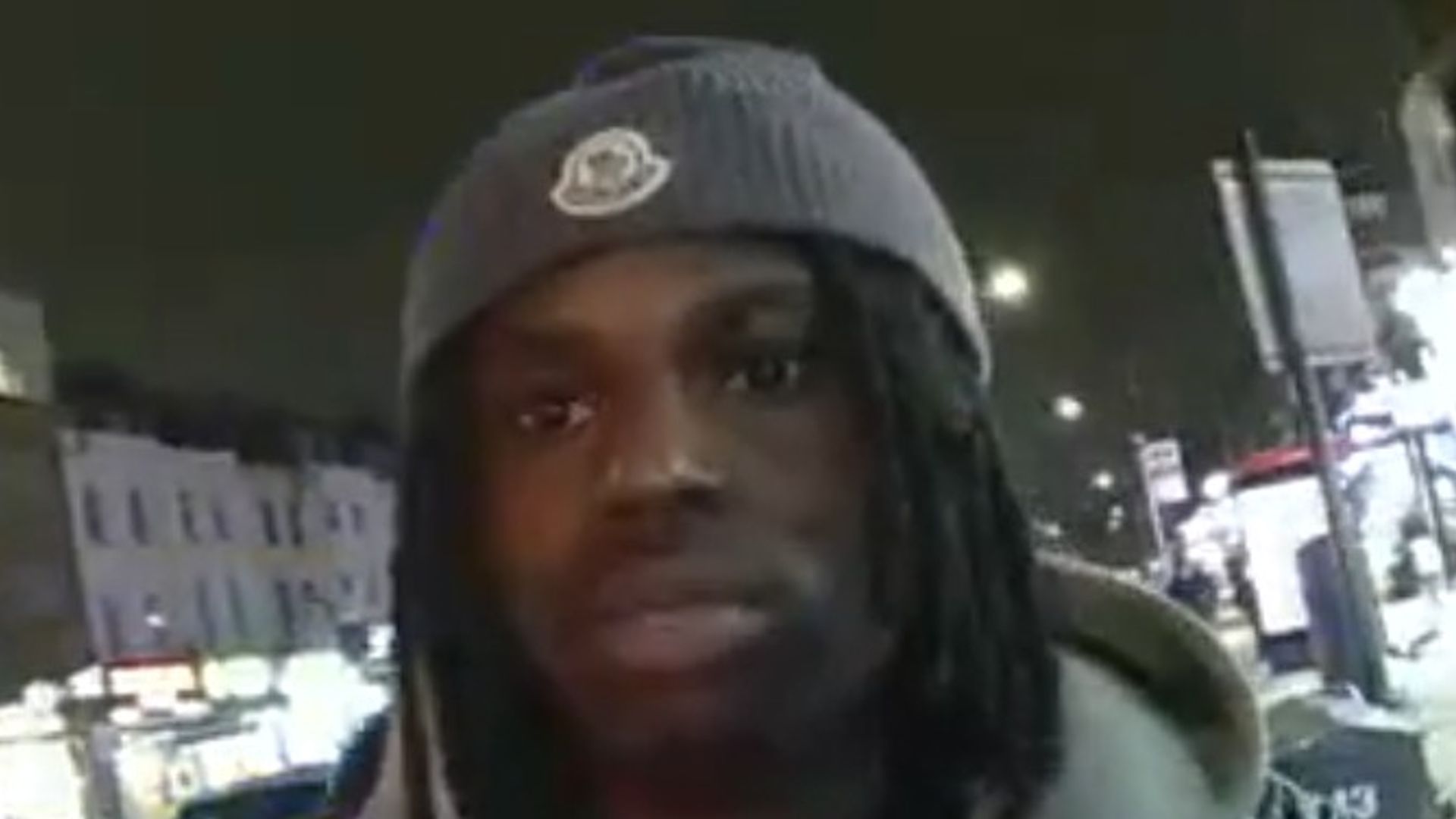
Spring in London usually arrives with a softening of the air, a sudden burst of green across the royal parks, and the long, golden evenings that pull students and dreamers up the grassy slopes of Primrose Hill. On a Tuesday evening in April, twenty-one-year-old Finbar Sullivan walked up that familiar hill. He was a filmmaking student, carrying a brand-new camera gifted to him for his birthday. He wanted to catch the fading light over the city skyline, to frame the capital’s sprawl through a new lens, to capture the simple texture of being alive at twenty-one.
He never came back down.
What started as a sudden, violent confrontation at the park’s panoramic viewpoint tore a jagged hole through a family and left a community grappling with a brutal reality. Emergency services rushed to the scene at 18:41 hours, finding Finbar with multiple stab wounds. Paramedics fought to save him, but the damage was absolute. Another man in his twenties survived the fray with non-life-threatening injuries, but Finbar’s story ended right there on the grass, surrounded by the equipment he intended to use to document his future.
Months have bled into the heavy heat of August, and the machinery of justice has ground forward, albeit with a persistent, nagging gap. Three men have already been charged with murder, and a fourth faces charges of grievous bodily harm, all remanded safely behind bars. Yet, the Metropolitan Police know that the ledger is incomplete. One crucial shadow remains at large.
Enter the twenty-thousand-pound question.
Detectives leading the investigation have taken a direct, high-stakes approach, dangling a financial incentive to break the wall of silence protecting twenty-two-year-old Jordan Asije. The police want him. They urgently, relentlessly want to trace him, bringing his face into the public eye with the hope that someone, somewhere, is feeling the friction between loyalty and conscience.
Consider what happens next in an investigation like this. Detective Inspector Andy Griffin and his team are not merely hunting a suspect; they are navigating the intricate, often terrifying social architecture of modern urban secrecy. When a young man vanishes into the sprawling maze of north London, he rarely does it alone. Someone buys his groceries. Someone lets him sleep on a couch. Someone trades text messages with him under the dim glow of a midnight screen, pretending that the world outside hasn't cracked open.
That is why the police warning was so sharply pointed. Harbouring a fugitive is not a passive act of friendship; it is a criminal offence. It is an active choice to pull the curtain tighter, inviting the full, unyielding weight of the law down upon anyone foolish enough to play a supporting role in an evasion.
Money talks, but fear usually shouts louder. Twenty thousand pounds is a significant sum, designed to turn heads and loosen tight lips, but the real barrier in cases of violent street crime is rarely about currency. It is about psychological insulation. People stay quiet because they are afraid of the ripple effects. They worry about retribution, about breaking unwritten codes, about stepping out from the safety of anonymity.
Yet, step out they must. Because behind the police appeals, the crime reference numbers, and the cold statistics of knife crime in the capital lies a profound human devastation. Finbar was a son, a creator, a person with a specific laugh, a unique perspective, and an unfinished life. His father, a musician from an older era of London counterculture, is left to reckon with a world where a birthday gift becomes a tragic memorial.
The authorities have made it clear that Asije should not be approached if spotted on the street. He is a piece of a puzzle, not a public monster roaming free, but he needs to be found. The appeal is simple, stripped of bureaucratic jargon: do the right thing. Hand yourself in.
For those sitting on information, the calculation is stark. No detail is too small. That whisper heard down a corridor, the sudden appearance of a familiar face in an unfamiliar neighborhood, the late-night knock on a door—any of it could be the thread that unravels the remaining mystery.
Up on Primrose Hill, the grass has long since grown back over the spot where the camera fell. Tourists still gather at the viewpoint to watch the sun dip below the London skyline, clicking photos and filming videos without a second thought to the violence etched into the earth beneath their shoes. But down below, in the quiet spaces where grief lives permanently, the ledger remains open, waiting for the final name to be written.

.png?itok=1mb05mKJ)

