The envelope arrives at a dusty federation office in a small-market nation without fanfare. Inside, there is no poetry. There are only numbers, neat and orderly, projecting an influx of cash that could pave training pitches, buy junior kits, and build indoor halls where winter threatens youth development.
Twenty million dollars.
To a sports administrator battling inflation and a ledger that bleeds red every fiscal quarter, that number does not look like a compromise. It looks like survival. It looks like a legacy.
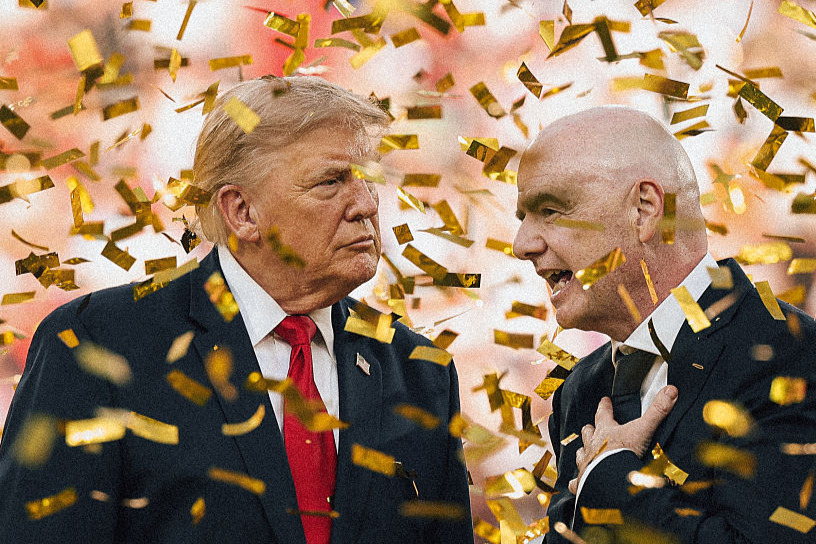
This is the gravitational pull of FIFA President Gianni Infantino's latest proposal. Unveiled to a world fresh off the dizzying spectacle of a North American World Cup, the plan is deceptively simple: carve out the commercial engine of the sport into a new corporate entity named FIFA Forward Enterprise, value it at an initial twenty billion dollars, and sell minority, non-controlling equity stakes to carefully chosen private investors. Among those waiting in the wings is Thrive Eternal, a firm launched by Joshua Kushner, pulling the high-stakes world of private equity directly into the locker room of the sport's highest governing body.
Consider what happens next on the balance sheet. To secure the votes of the two hundred and eleven member associations scattered across the globe, FIFA dangles a carrot of unprecedented proportions. Instead of the eight million dollars currently promised through the upcoming commercial cycle, national federations are told they could access up to twenty million dollars in one-off capital, scaling upward in future years toward twenty-four million.
Democratization, Infantino calls it. A redistribution of wealth from the hyper-profitable global showpiece down to the grassroots soil where the sport actually breathes.
Money changes everything.
Across the Atlantic Ocean, the response from European soccer body UEFA was immediate, sharp, and dripping with existential dread. "It is not FIFA's to sell," UEFA declared in a stinging public rebuke, pointing out a fundamental truth that the corporate spreadsheets choose to omit. "None of us are the owners of football."
To understand why Europe's governing body is furious, you have to look past the currency conversions and into the mechanics of institutional power. FIFA operates as a Swiss-based not-for-profit association. Its mandate has historically been stewardship, not capitalization. By opening the doors to private equity partners like J.P. Morgan and high-profile American venture firms, the institution crosses a rubicon. It transforms a cultural heritage into an asset class.
Imagine a local park where children have kicked a punctured ball for generations. One afternoon, a developer arrives, points to the grass, and explains that while the children are still welcome to play, the perimeter fence now belongs to a private portfolio. The goals are the same. The rules are unchanged. But the foundational ownership has quietly shifted to people who measure the afternoon by return on investment.
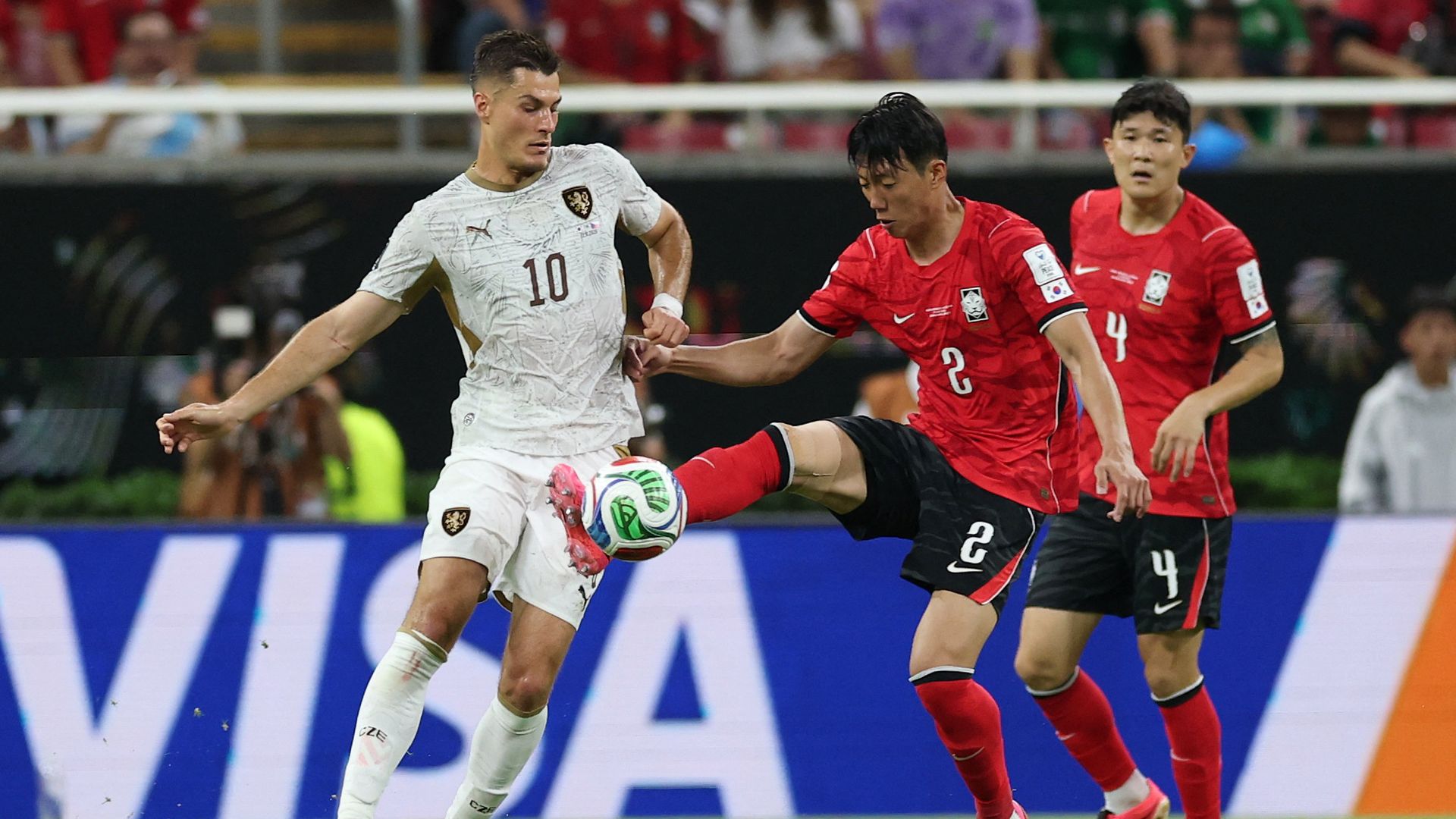
This is not Infantino’s first rodeo with high-finance ambition. Years ago, a secretive twenty-five-billion-dollar proposal involving SoftBank and sovereign wealth backing sought to reshape global club competitions before collapsing under similar resistance. Yet, where that past attempt faltered, this new iteration arrives packaged with the irresistible momentum of record-breaking revenues from the 2026 World Cup. The tournament banked roughly twelve billion dollars, driven by soaring ticket prices and hospitality packages across the United States, Canada, and Mexico.
The cash is real. The temptation is absolute.
For a delegate from a football association struggling to pay its coaching staff, turning down twenty million dollars requires a brand of ideological purity that is difficult to maintain when local pitches are washing away in the rain. FIFA knows this. The strategy relies on the uneven economic reality of the global game. While wealthy European leagues can afford to sneer at private equity intrusion from the comfort of multi-billion-dollar television deals, smaller federations see a lifeline.
Yet, the anxiety voiced by critics, coaches, and continental bodies digs deeper than institutional turf wars. It touches the intangible soul of the sport. When private investors purchase minority stakes in the engine running the World Cup, they do not do so for charity. They expect growth, optimization, and yield. They expect the calendar to swell, new tournaments to emerge, and every square inch of fan attention to be monetized.
The supporters in the stands rarely see a dime of development funds. What they see are more matches squeezed into an already fractured calendar, skyrocketing ticket costs, and the steady corporate homogenization of a game born in working-class neighborhoods.
The consultation process has begun. The votes will be cast. Somewhere in a boardroom, a valuation model projects the next decade of human emotion, heartbreak, and triumph as a predictable line moving steadily upward.
The game goes on. But the ledger has a new master.