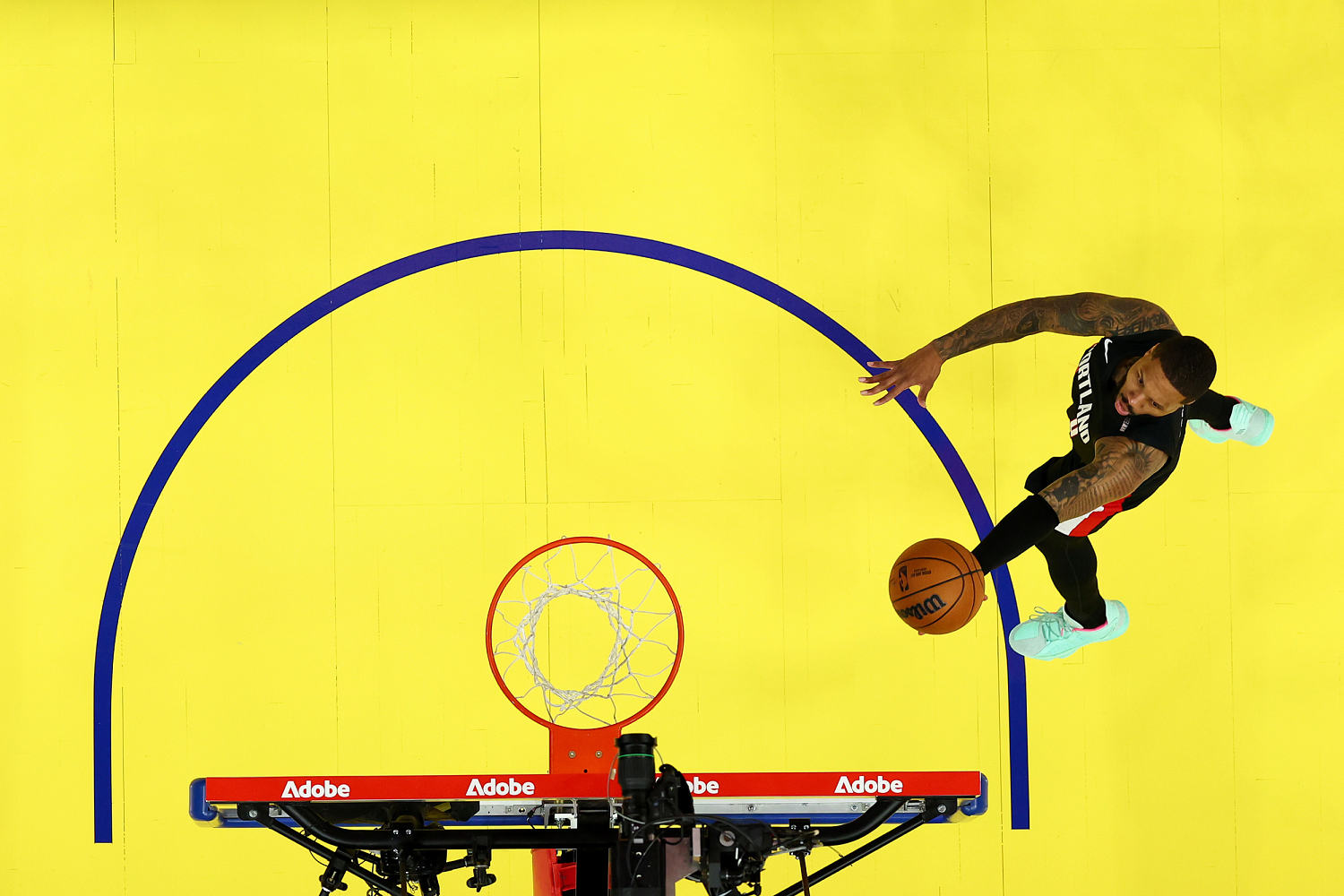
High-performance basketball places extreme kinetic stress on the human foot. When a player executes a high-velocity lateral cut, vertical deceleration, or physical contest near the rim, ground reaction forces can exceed several times their body weight. These forces are concentrated through a fragile architecture of twenty-six bones, thirty-three joints, and over a hundred ligaments, tendons, and muscles. In professional basketball, foot and ankle injuries—ranging from chronic plantar fasciitis and turf toe to acute Jones fractures and lateral ankle sprains—represent the single largest category of lost player days and asset depreciation.
Historically, the mitigation of these injuries relied on reactive interventions: post-injury rehabilitation, standard taping protocols, and generic footwear designs prioritizing aesthetic marketing over biomechanical stabilization. A systemic transformation is underway in professional sports equipment engineering, shifting the paradigm from symptom management to preemptive structural protection. Within elite basketball, specific athletes and engineering collectives are pioneering technologies designed to protect not just their own feet, but those of their competitors, through advanced kinetic absorption and defensive spatial awareness protocols embedded directly into court hardware and footwear architecture.
The Mechanics of Kinetic Vulnerability on the Hardwood
To understand how modern equipment protects the foot, one must first isolate the primary failure points in basketball biomechanics. The foot operates under two conflicting constraints during elite competition: it requires structural rigidity to act as an effective lever for propulsion, and sufficient compliance to absorb impact energy and adapt to uneven surfaces.
+------------------------------------------------------------+
|                  Kinetic Stress Vectors                    |
+------------------------------------------------------------+
|  Ground Reaction Forces ---> Multiplied by Dynamic Load     |
|  Lateral Cut Mechanics  ---> Shear Stress on Lateral Ankle  |
|  Landing Deceleration   ---> Axial Compression on Metatarsal|
+------------------------------------------------------------+
When a player drives to the basket and plants their foot for a jump, the plantar fascia undergoes severe tensile strain. Simultaneously, the metatarsals absorb high-frequency axial compression. If a defender contests the shot and the offensive player lands on the defender’s foot, the resulting inversion moment can exceed the tensile strength of the lateral ligament complex within milliseconds.
This specific failure mode—landing space intrusion—has historically been treated as an unavoidable hazard of aggressive defensive play. Modern analytical intervention divides foot protection into three distinct operational domains:
- Passive Impact Attenuation: The absorption and redirection of vertical ground reaction forces through midsole foam composites and carbon-fiber propulsion plates.
- Active Stability Systems: Mechanical constraints integrated into the shoe collar and outriggers that prevent excessive subtalar joint pronation and lateral rollover.
- Spatial Boundary Management: Equipment and footwear modifications designed to minimize the catastrophic interaction of feet in crowded rebounding and contesting zones.
Footwear Architecture as a Defensive Shield
The traditional basketball shoe was optimized for weight reduction and ankle mobility, often at the expense of true torsional rigidity. Modern engineering applies rigorous material science to counteract this trade-off.
The integration of wide-base outriggers and lateral wall reinforcements alters the physics of the shoe-floor interface. When an athlete lands near a competitor's foot, a standard shoe profile allows the ankle to tip over the edge of the sole, translating body weight into rotational torque across the subtalar joint. By expanding the lateral footprint and introducing high-durometer thermoplastic polyurethane (TPU) sidewalls, the shoe acts as a physical barrier that resists rollover even when a portion of the sole is elevated by an irregular surface, such as an opponent's foot.
Furthermore, carbon-fiber shank plates serve a dual purpose. While their primary commercial marketing focuses on energy return during takeoff, their structural reality is torsional stabilization. By bridging the forefoot and rearfoot, these plates prevent midfoot hypermobility, distributing peak localized pressures across the entire plantar surface rather than concentrating force on the vulnerable metatarsal heads.
The Cost Function of Injury and Mitigation
From an economic and organizational perspective, foot protection is a risk mitigation calculus. The asset value of an NBA player is directly correlated to availability. A catastrophic foot injury—such as a fifth metatarsal stress fracture requiring internal fixation—carries a recovery timeline spanning months, resulting in substantial performance degradation upon return and millions of dollars in lost productivity for the franchise.
The implementation of advanced foot protection systems alters this financial model. By investing in custom orthotic integration, high-traction decoupled outsoles, and impact-dispersing material layers, teams and equipment manufacturers reduce the probability of catastrophic structural failure.
However, no technological intervention achieves zero risk. The primary limitation of current footwear engineering is the inverse relationship between stability and sensory feedback. Highly structured, rigid footwear can dampen the proprioceptive signals sent from the mechanoreceptors in the sole of the foot to the central nervous system. This reduction in tactile feedback can inadvertently alter an athlete's balance strategy, creating a secondary vulnerability. Engineering teams must continuously balance the mechanical need for structural immobilization with the neurological requirement for dynamic proprioception.
Systemic Integration and Future Protocols
The evolution of foot protection in professional basketball is moving past isolated shoe design into integrated ecosystem monitoring. High-speed optical tracking and pressure-sensing insoles now allow biomechanists to map load distribution in real time during live competition. When an athlete's gait asymmetry indicates abnormal fatigue or localized stress concentrations in the plantar fascia or metatarsals, training staffs can intervene before structural failure occurs.
The optimization of player health requires treating the floor, the shoe, and the biomechanical profile as a single, interdependent system. By replacing traditional assumptions with rigorous kinetic data, modern engineering continues to systematically eliminate the structural vulnerabilities inherent in elite athletic competition.


