The United States has initiated a significant naval operation to clear blockages in the Strait of Hormuz, a move that comes as Secretary of Defense Pete Hegseth maintains that a regional ceasefire remains technically intact. This intervention is a direct response to escalating maritime disruptions that have threatened to choke the world's most vital energy artery. While the official line focuses on "reopening" the waterway, the reality on the water reveals a much more complex struggle for leverage between Western powers and regional actors. The operation isn't just about moving ships; it is about re-establishing a shattered sense of predictability in global trade.
The Friction Behind the Ceasefire Rhetoric
Public statements from the Department of Defense often paint a picture of controlled escalation. Hegseth’s insistence that the ceasefire is not over serves a specific diplomatic purpose. It prevents a total descent into declared war, which would trigger insurance clauses that could effectively ground the global tanker fleet. However, the gap between "technical ceasefire" and "active conflict" has narrowed to a razor-thin margin.
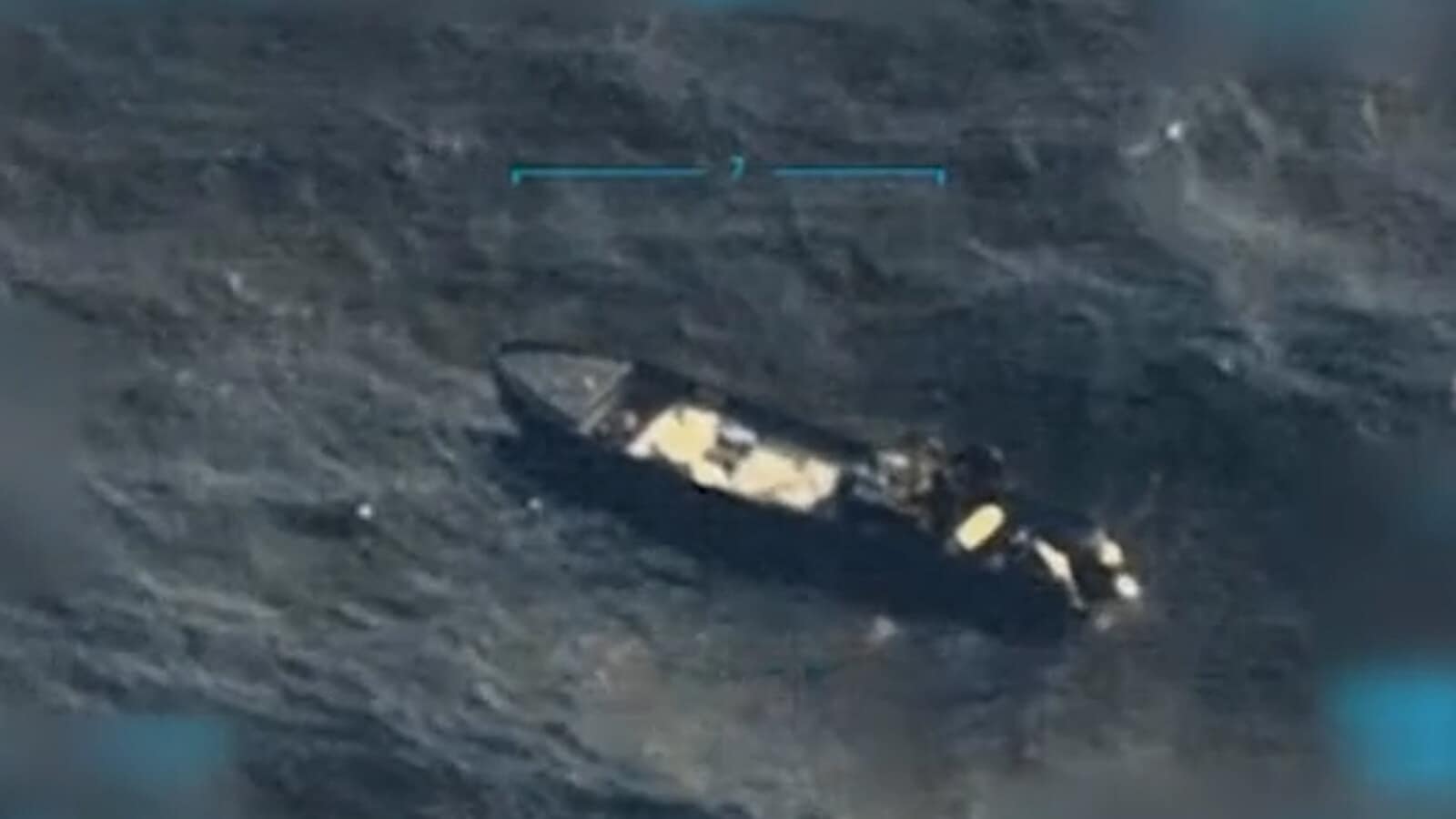
Military assets currently deployed to the region are not merely performing a routine patrol. They are engaging in active clearance operations against asymmetrical threats. These include fast-attack craft and semi-submerged obstacles that have been used to harass commercial shipping. The tactical goal is clear: ensure that the 21 million barrels of oil passing through the Strait daily continue to flow without a massive spike in Brent Crude prices.
The Mechanics of Maritime Chokepoints
The Strait of Hormuz is a geographical bottleneck. At its narrowest point, the shipping lanes are only two miles wide in either direction, separated by a two-mile buffer zone. This proximity makes large tankers vulnerable to even low-tech interference. When the U.S. acts to "reopen" these lanes, it involves a multi-layered security umbrella.
- Electronic Warfare Oversite: Disrupting the guidance systems of drones and missiles that shadow civilian vessels.
- Minesweeping and Debris Clearance: Utilizing specialized units to identify and neutralize underwater risks.
- Visible Deterrence: Positioning destroyers and littoral combat ships in a manner that forces hostile actors to calculate the cost of direct engagement.
This isn't a simple police action. It is a high-stakes chess match where the board is made of water and the pieces cost billions of dollars.
Economic Consequences of a Closed Strait
If the U.S. failed to intervene, the economic fallout would be immediate and severe. Global markets do not wait for a full-scale war to react; they move on the perception of risk. We have already seen the "war risk premium" added to shipping insurance rates, which has increased the cost of every gallon of fuel before it even leaves the Persian Gulf.
For years, the industry relied on the assumption that the Strait would always remain open because it was in everyone's best interest. That assumption is dead. We are now in an era where trade routes are used as primary weapons of geopolitical influence. The current naval operation is an attempt to buy back that lost stability, but it comes at a staggering operational cost.
The Myth of Energy Independence
There is a common misconception that because the U.S. has increased domestic production, the stability of the Strait of Hormuz no longer matters to the American consumer. This is a fundamental misunderstanding of how global commodities work. Oil is a fungible asset traded on a global market. If 20% of the world's supply is locked behind a blockade in the Middle East, prices in Texas and New York will skyrocket regardless of how much oil is pumped in North Dakota.
The U.S. naval presence is, in effect, a massive subsidy for global economic stability. By keeping the Strait open, the military is preventing a domestic inflationary crisis that no amount of interest rate hiking could solve.
The Strategy of Shadow Maneuvers
While the heavy steel of the U.S. Navy is the most visible part of this story, the real conflict is happening in the shadows. Regional powers have learned that they do not need to sink a ship to win a confrontation. They only need to make the route appear unsafe.
This is "gray zone" warfare. It involves deniable attacks, cyber-interference with GPS signals, and the use of proxy forces. By keeping the official ceasefire status alive, the U.S. is trying to avoid being drawn into a symmetrical war while simultaneously fighting an asymmetrical one. It is a balancing act that requires near-perfect intelligence and constant physical presence.
Analyzing the Naval Footprint
The current fleet composition suggests a focus on rapid response. We are seeing a shift away from massive carrier strike groups toward more agile, specialized task forces. These units are designed to handle drone swarms and small-boat harassment—the primary tools used to close the Strait in modern conflict.
- Integrated Sensors: Using unmanned surface vessels to provide a continuous 360-degree view of the shipping lanes.
- Rapid Response Teams: Marine units capable of boarding and retaking seized vessels within minutes of an incident.
- International Coordination: Working with a "coalition of the willing" to ensure that the burden of policing the Strait does not fall entirely on American taxpayers.
The Insurance Crisis and the Merchant Marine
The most overlooked factor in this crisis is the human element. The sailors manning commercial tankers are not combatants. As the risks in the Strait increase, the willingness of private companies to send their crews into harm's way decreases.
Insurance companies like Lloyd’s of London have a massive influence on whether the Strait is "open" or "closed." If they refuse to provide coverage, the Strait is effectively closed, regardless of what the U.S. Navy does. The current military operation is designed as much for the benefit of the insurance industry as it is for the energy sector. It provides the "security guarantees" necessary to keep the paperwork moving, which in turn keeps the ships moving.
The Limits of Naval Power
We must be honest about what military force can and cannot achieve. A navy can clear a path, but it cannot force a diplomatic solution. Hegseth’s comments reflect a desire to keep the door open for a political settlement, but that door is swinging on rusted hinges.
The reliance on military intervention to solve what is essentially a political and territorial dispute is a short-term fix. It treats the symptoms of regional instability without addressing the underlying causes. Every time a destroyer is sent to escort a tanker, it is a reminder that the global trade system is far more fragile than we would like to admit.
Moving Beyond the Immediate Crisis
The reopening of the Strait is a tactical victory, but it does not signal a return to the status quo. The events of the last several months have permanently altered the risk assessment for global logistics. Companies are already looking for alternatives, from pipelines that bypass the Strait to increased investment in non-Middle Eastern energy sources.
The U.S. is currently holding a crumbling wall together. The ceasefire mentioned by the Defense Department is a polite fiction that allows for continued operations without the legal and political baggage of a declared war. It is a necessary fiction for now, but it cannot last forever.
Strategic planners are now faced with a world where the most important trade routes require constant military guarding. This is a massive shift in how global commerce functions. The era of "safe and certain" maritime trade is over, replaced by a period of "escorted and expensive" transit.
The focus must remain on the immediate task: ensuring the free flow of commerce through a hostile environment. This requires more than just hardware; it requires a cold-eyed assessment of our dependencies and a willingness to defend them. The mission in the Strait of Hormuz is a stark reminder that the global economy is only as strong as its weakest link. Right now, that link is a twenty-mile stretch of water that remains the most dangerous place on earth for a merchant ship.
Every gallon of fuel, every plastic component, and every stabilized price point currently depends on the success of these naval operations. The stakes are not just regional; they are foundational to the modern way of life.