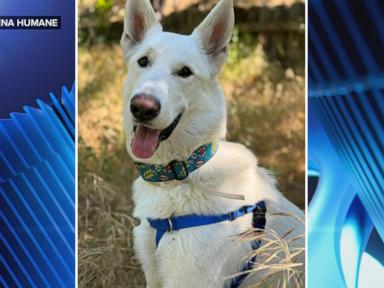
The displacement of domestic animals during catastrophic wildfire events—such as the Eaton fire—reveals a systemic failure in regional logistics and resource allocation. While human evacuation protocols are codified, the recovery and rehoming of livestock and pets operate within a fragmented ecosystem of private non-profits and municipal shelters. The transition of a single animal from a disaster zone to a stable permanent residence is not a sentimental journey; it is a high-stakes logistics problem involving biological security, psychological stabilization, and the mitigation of "adoption churn."
The Infrastructure of Displacement
Wildfires create immediate structural collapses in the local pet economy. When a fire breaches a perimeter, the primary challenge is the sudden, asymmetrical surge in "unhomed inventory." Shelters designed for steady-state operations are forced into peak-load scenarios where capacity is exceeded within hours.
The Eaton fire serves as a case study for the Displacement Recovery Cycle, which functions in three distinct phases:
- Extraction and Intake (T-0 to T-48 hours): The focus is on immediate physical stabilization and identification. Data suggests that the lack of universal microchipping creates a primary bottleneck here, diverting labor hours from medical care to manual identification and social media cross-referencing.
- The Maintenance Plateau (T-48 hours to 3 weeks): Animals enter a holding pattern. The cost of care per unit increases as the stress of the shelter environment triggers dormant pathogens (e.g., Canine Respiratory Disease Complex).
- Permanent Placement or Rehoming (T-3 weeks+): This is the stage where the Eaton fire survivor pup entered the system. The goal shifts from survival to long-term placement, which requires navigating the "Affordability Gap" created when the previous owners lose their primary residence and assets.
The Logistics of Rehoming Survivors
Rehoming a disaster survivor requires more than a simple transfer of ownership. It involves an intensive audit of the animal’s behavioral baseline, which has been fundamentally altered by the trauma of the fire. In the case of the Eaton fire, the survivor's journey highlights the Total Cost of Ownership (TCO) Re-calibration.
New owners are not just adopting a dog; they are inheriting a biological system that may have sustained smoke inhalation damage or developed heightened cortisol responses to environmental stimuli. The rehoming process must account for:
- Veterinary Debt Loading: The initial medical stabilization costs (burn treatment, hydration, respiratory therapy) are often subsidized by charitable donations, but the long-term monitoring of pulmonary health falls on the new owner.
- Behavioral Depreciation: Extreme stress can lead to "shut down" or aggression, reducing the animal's immediate "marketability" to average households. Successful rehoming requires matching these high-needs survivors with "Expert-Level Adopters" who can provide behavioral rehabilitation.
Quantifying the Economic Impact of Wildfire on Domestic Animals
The Eaton fire does not exist in a vacuum; it is part of an increasing trend of urban-interface fires that destroy high-density residential areas. This shifts the animal rescue burden from rural livestock to urban domestic pets. We can analyze this through the lens of Resource Density vs. Incident Velocity.
When a fire moves rapidly, the velocity of displacement outpaces the capacity of local resources. This creates a reliance on "Transient Foster Networks." These networks are effective but introduce variables that are difficult to track:
- Disease Vectoring: Moving animals rapidly between homes increases the risk of spreading parvo or distemper.
- Legal Ownership Ambiguity: In the chaos of the Eaton fire, the legal definition of "abandonment" vs. "temporary loss of contact" becomes blurred. A survivor might be rehomed before the original owner has the opportunity to claim them, creating a secondary legal and emotional conflict.
The pup’s successful transition into a new home signifies a rare "Net-Positive Resolution" where the supply of a high-need animal meets a demand from an owner with sufficient capital and emotional bandwidth.
The Behavioral Economics of Post-Trauma Adoption
There is a measurable "Disaster Halo Effect" that influences adoption rates following a publicized event like the Eaton fire. Public interest in survivors spikes, creating a temporary surplus of potential adopters. However, this creates a Selection Bias Risk. Adopters motivated by the narrative of a "fire survivor" may be less prepared for the mundane, long-term realities of pet ownership once the media attention fades.
To mitigate this, sophisticated rescue organizations employ a High-Friction Screening Process. This ensures that the adopter’s motivation is grounded in the animal’s long-term utility and fit rather than the immediate emotional gratification of the rescue narrative.
Optimization of Future Recovery Frameworks
The survival and rehoming of a single animal after the Eaton fire is a tactical success, but to achieve a systemic masterclass in disaster management, the following frameworks must be implemented:
- The Decentralized Database Mandate: The primary friction in rehoming is the loss of records. A blockchain-based or decentralized veterinary record system would ensure that an animal’s medical and ownership history is accessible regardless of the status of the local clinic.
- Standardized Trauma Triage: Implementing a universal "Stress Index" for disaster survivors allows shelters to categorize animals by the level of behavioral intervention required, preventing the placement of high-trauma animals in low-experience homes.
- Pre-emptive Evacuation Vouchers: Integrating animal transport into municipal evacuation plans—rather than leaving it to ad-hoc volunteer groups—reduces the total volume of "abandoned-in-place" inventory.
The movement of the Eaton fire survivor pup into a new home is a data point in a larger, more complex struggle against environmental volatility. The success of this specific case does not negate the need for a structural overhaul of how we manage the intersection of domestic life and climate catastrophe.
Focus must shift from the narrative of the "lucky survivor" to the reality of the "robust system." This requires a shift in funding from reactive rescue operations to proactive infrastructure, including fire-resistant shelter facilities and regionalized animal disaster response teams that operate with the same authority and funding as human first responders.
Investment in Microchip Redundancy and Regional Mutual Aid Agreements between shelters is the only way to scale the success of the Eaton fire survivor to the thousands of other animals that will inevitably face the same displacement. The strategic play is to move away from reliance on individual altruism and toward a rigorous, quantified model of animal logistics.