The international rules built after World War II are breaking down, and a fragmented system of competing regional blocs, private corporate standards, and conditional alliances is already taking their place. You do not need to wait for a dramatic treaty signing in Geneva or New York to see this shift. The architecture of global governance—the network of institutions, treaties, and norms that keep cross-border trade, finance, and security predictable—is losing its authority in real time. While diplomats debate reform in aging multilateral halls, central banks, supply chain directors, and defense ministries are quietly building parallel mechanisms that bypass traditional consensus altogether.
For decades, the premise was straightforward. Nations surrendered a sliver of sovereignty to collective bodies like the United Nations, the World Trade Organization, and the International Monetary Fund in exchange for stability, open markets, and dispute resolution. That bargain worked as long as a single superpower had the economic weight and political will to underwrite the system, and as long as rising powers believed playing by those rules served their domestic growth. Both conditions have evaporated.
The Hollowing Out of Legacy Institutions
Walk through the corridors of the World Trade Organization in Geneva today, and you are looking at an institution running on fumes. Since 2019, its Appellate Body—once hailed as the crown jewel of international dispute resolution—has been paralyzed because the United States blocked new judicial appointments over claims of judicial overreach. Without a functioning court of final appeal, countries simply appeal unfavorable rulings into a legal void. Trade disputes no longer get settled by impartial arbiters; they get settled by unilateral tariffs, export controls, and tit-for-tat subsidies.
The United Nations Security Council suffers from an even older structural rot. Designed to reflect the victors of 1945, its permanent five members wield veto power that routinely freezes collective action during major crises. Whether the conflict involves Eastern Europe, the Middle East, or maritime disputes in the Indo-Pacific, the Council frequently reduces itself to a venue for televised speeches rather than a mechanism for peace enforcement.
The Bretton Woods Bottleneck
Financial governance faces a similar credibility gap. The World Bank and the International Monetary Fund still hold immense capital, yet their voting shares and leadership traditions remain heavily tilted toward Washington and Western Europe. Emerging economies that now drive the majority of global growth find themselves underrepresented at the decision-making table.
When debt crises hit developing nations—from Zambia to Sri Lanka—restructuring talks drag on for years because traditional Western creditors in the Paris Club and newer bilateral lenders like China operate under entirely different rules and transparency standards. The system was built for a world where a handful of Western finance ministers could hash out a rescue package over a weekend. That world is gone.
The Rise of Minilateralism and Functional Blocs
Nature abhors a vacuum, and geopolitics abhors an unguided market. As universal institutions stall, states are turning to minilateralism—small, agile coalitions formed around specific strategic or economic goals rather than broad ideological alignment.
Consider how security and technology alliances have mutated over the past decade:
- AUKUS and the Quad: Instead of waiting for consensus across dozens of regional neighbors, Australia, the United Kingdom, and the United States formed a tightly focused defense technology pact to share nuclear submarine propulsion and advanced cyber capabilities. Similarly, the Quad brings together Washington, Tokyo, New Delhi, and Canberra to coordinate maritime security and supply chain resilience without the bureaucratic drag of a formal treaty organization.
- BRICS Expansion: On the other side of the ledger, the expansion of BRICS to include major energy producers and regional powers like Saudi Arabia, the United Arab Emirates, Iran, Egypt, and Ethiopia signals an organized push to create alternative financial plumbing. Their goal is not necessarily to destroy Western institutions overnight, but to build enough redundancy—through local currency trade settlements and the New Development Bank—that Western sanctions lose their bite.
- Plurilateral Trade Deals: Because global trade rounds at the WTO are dead, nations rely on regional agreements like the Comprehensive and Progressive Agreement for Trans-Pacific Partnership (CPTPP) or targeted digital economy pacts. Rules are no longer universal; they are club goods available only to members who meet strict entry criteria.
The Quiet Takeover by Corporate and Technical Standards
When people talk about global governance, they usually picture presidents, prime ministers, and ambassadors. They rarely picture the engineers sitting on standards committees or the compliance officers inside multinational banks. Yet that is where the real rules of the twenty-first century are being written.
If you want to understand how power actually operates today, follow the technical specifications. Whoever sets the baseline standards for artificial intelligence safety, semiconductor lithography, green hydrogen certification, or cross-border data flows effectively governs the global economy.
The European Union figured this out years ago through what legal scholars call the Brussels Effect. By passing sweeping regulations like the General Data Protection Regulation (GDPR) or the AI Act, Brussels forces global corporations to adopt European compliance standards across their entire international operations simply because maintaining two separate product lines is too expensive. You do not need a global treaty when market access to 450 million wealthy consumers accomplishes the same regulatory homogenization.
Meanwhile, private tech conglomerates exercise quasi-sovereign power over information infrastructure, satellite communications, and cloud computing. During modern military conflicts and natural disasters, sovereign governments increasingly find themselves negotiating with private chief executives for access to low-Earth-orbit satellite constellations or cybersecurity threat intelligence. International law has no clear framework for corporations that possess the geopolitical footprint of mid-sized nations.
Why Reform Proposals Keep Stalling
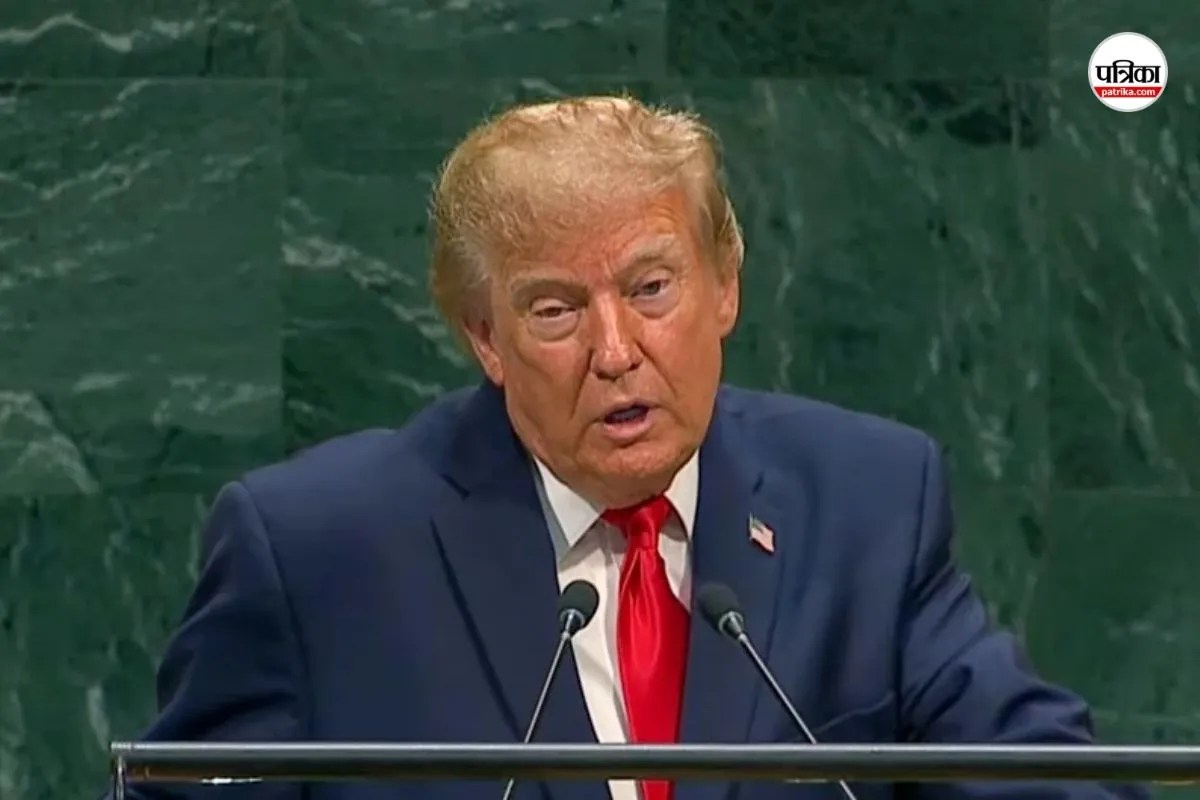
Every September at the UN General Assembly, world leaders deliver earnest speeches calling for the modernization of global governance. They propose expanding the Security Council, overhauling IMF quotas, and creating new global agencies to regulate artificial intelligence and climate finance. Almost none of these sweeping reforms materialize.
The obstacle is a classic collective action trap. Reforming a legacy institution requires the consent of the very powers that benefit from the current rules. Existing permanent members of the Security Council will not willingly dilute their veto power. Major shareholders at the IMF will not easily surrender their blocking minorities. At the same time, rising powers refuse to take on greater financial burdens or enforce strict environmental and labor standards unless they are granted commensurate decision-making authority upfront.
Both sides are acting rationally according to their narrow national interests, and the combined result is institutional paralysis.
The Counter-Argument for Institutional Resilience
It would be a mistake, however, to write a complete obituary for the post-1945 order. Defenders of the existing system rightly point out that specialized technical agencies continue to function remarkably well beneath the geopolitical noise. The International Civil Aviation Organization still keeps global air travel safe and standardized. The World Health Organization, despite intense political friction during the COVID-19 pandemic, remains the central clearinghouse for tracking infectious disease outbreaks. The Bank for International Settlements still coordinates banking supervision across major economies.
These agencies survive because their utility is immediate and practical. A country can reject Western lectures on human rights or trade subsidies, yet its national airline still needs internationally recognized air traffic protocols to land a plane in London or Tokyo. Functional interdependence acts as a floor beneath the fragmentation, preventing a total collapse back into the lawless spheres of influence that defined the nineteenth century.
Navigating a Fragmented World Order
What emerges from this transition is neither a tidy global government nor pure international anarchy. Instead, businesses, policymakers, and investors are confronting a multi-speed, patchy architecture where rules depend entirely on geography, sector, and geopolitical alignment.
For a hypothetical mid-sized electronics manufacturer sourcing components in Southeast Asia and selling to both North American and European markets, compliance is no longer a single checklist. That company now has to navigate overlapping and sometimes contradictory regimes: American export controls targeting advanced chips, European carbon border adjustment taxes, and localized data residency laws in emerging markets. The cost of friction—once steadily declining during the peak years of globalization—is now a permanent, rising line item on every corporate balance sheet.
Sovereign states face an equally unforgiving reality. Mid-sized nations can no longer rely on automatic protection from international law or collective security guarantees. Survival and prosperity in this emerging order require ruthless diplomatic agility: hedging between rival blocs, signing overlapping bilateral resource deals, and building domestic industrial capacity in critical sectors like energy, semiconductors, and pharmaceuticals.
The era of one-size-fits-all global rules was never the permanent destination of human history; it was a brief, unusual exception produced by the unique geopolitical balance of the late twentieth century. That exception has expired, and the messy, decentralized machinery replacing it will reward leverage over legitimacy every single time.