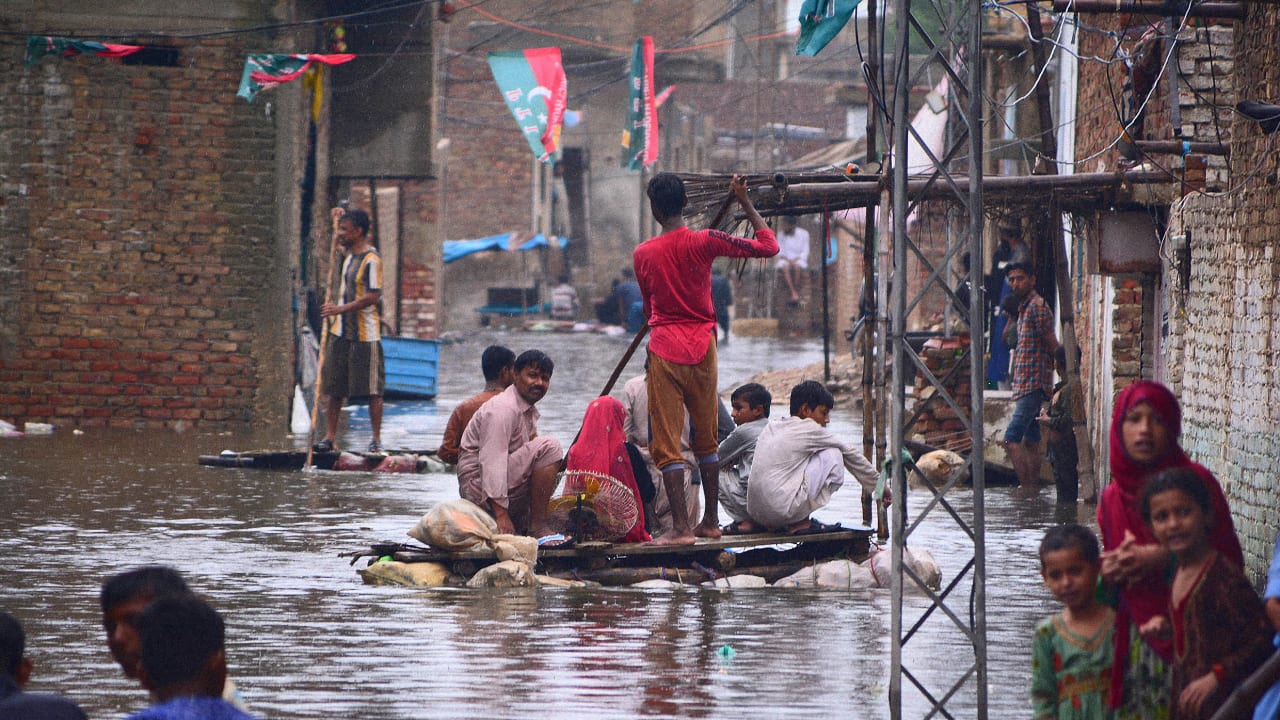
War doesn't just break things. It starves people thousands of miles away from the front lines. When UN Secretary-General Antonio Guterres talks about "shock waves," he isn't using a metaphor for some abstract diplomatic ripple. He's talking about the literal price of bread in Cairo, the cost of heat in Amman, and the vanishing hope for a generation of kids in Yemen. The current West Asia conflict is a masterclass in how global instability hits the people with the thinnest safety nets first and hardest.
If you think this is just a regional border dispute, you're missing the bigger picture. We're looking at a systemic collapse of food security and economic stability that targets the vulnerable with surgical precision. It’s a cruel reality where those who have the least to do with the fighting end up footing the bill with their lives.
The Brutal Math of Disruption
The global economy is a series of interconnected pipes. When a bomb goes off in one section, the pressure drops everywhere. For the wealthiest nations, this might mean a 2% dip in the stock market or a slightly higher bill at the gas pump. For a family in a developing nation, it means choosing between medicine and a meal.
Guterres has been vocal because the data is terrifying. We’ve seen shipping routes in the Red Sea become a gamble. When cargo ships have to take the long way around Africa, shipping costs skyrocket. This isn't a corporate headache; it’s a tax on the poor. Basic goods—cooking oil, grain, fertilizer—become luxury items overnight.
Energy markets are just as volatile. Even the threat of a wider escalation sends oil prices into a tailspin. In countries like Lebanon or Jordan, where the economy was already on a knife-edge, these price hikes aren't manageable. They’re catastrophic.
Why the Global South is Drowning
Most people don't realize how much the Middle East and North Africa rely on specific trade corridors. When those corridors are choked, the "shock waves" Guterres mentioned turn into a tsunami.
- Food Security Disintegrates. Many countries in the region import the vast majority of their wheat. If the supply chain breaks or prices spike because of regional instability, the bread subsidies that keep millions of people alive start to fail.
- Tourism Evaporates. Countries like Egypt and Jordan rely heavily on travelers. Who wants to book a flight to a region on the brink of a massive escalation? When the tourists stop coming, the waiters, taxi drivers, and hotel cleaners lose their livelihoods instantly.
- Debt Becomes Unbearable. Interest rates often climb when risk increases. For nations already struggling with massive debt loads, the cost of borrowing to keep the lights on becomes predatory.
It’s a cycle of poverty that’s nearly impossible to break. You can’t build a future when you’re constantly reacting to a present that’s on fire.
The Humanitarian Funding Gap is Widening
Here is the part nobody likes to talk about. While the world watches the military maneuvers, the money for humanitarian aid is drying up. Donor fatigue is real, and it's deadly.
Guterres pointed out that the UN’s appeals for aid are chronically underfunded. When a new conflict breaks out, the "old" ones don't just go away. The hungry people in Sudan or the displaced families in Syria are still there. But the world's attention—and its wallet—shifts. This creates a vacuum where the poorest are left to rot because they’re no longer the "top story" on the evening news.
I’ve seen how this plays out in real time. Aid agencies start cutting rations. They go from providing a full bag of flour to half a bag. Then they stop the flour and just provide vitamin supplements. Eventually, they stop coming altogether because the funding vanished.
Escaping the Cycle of Regional Chaos
We have to stop treating these conflicts like isolated incidents. They are symptoms of a fractured global order that values strategic positioning over human survival. If we want to protect the most vulnerable, the approach has to change.
First, there needs to be an immediate push for de-escalation that isn't just talk. Sanctions and diplomatic pressure need to be balanced with massive reinvestment in regional infrastructure. You can't have peace without a middle class, and you can't have a middle class when the economy is tied to the whims of warlords.
Second, the "shock-proofing" of food supplies is a necessity. Developing nations need to diversify where they get their calories. Relying on a single volatile region for survival is a recipe for disaster.
What You Can Actually Do
It’s easy to feel helpless when the UN chief is sounding the alarm and the world feels like it's falling apart. But there are tangible steps.
- Support localized aid. Don't just give to the massive organizations. Look for groups on the ground in Lebanon, Jordan, and Yemen that provide direct food assistance.
- Demand accountability. Hold your own government to its foreign aid commitments. Aid isn't a handout; it's a stabilizer that prevents global chaos.
- Stay informed beyond the headlines. Understand the link between energy prices and regional stability. When you see a "minor" escalation in the news, think about what that does to the price of grain.
The poorest didn't start this war. They didn't choose the sides. But they are the ones who will be buried by it if the rest of the world keeps looking the other way. It's time to realize that a stable West Asia isn't just a political goal—it's a requirement for a world where people don't have to starve because of a border they've never seen.