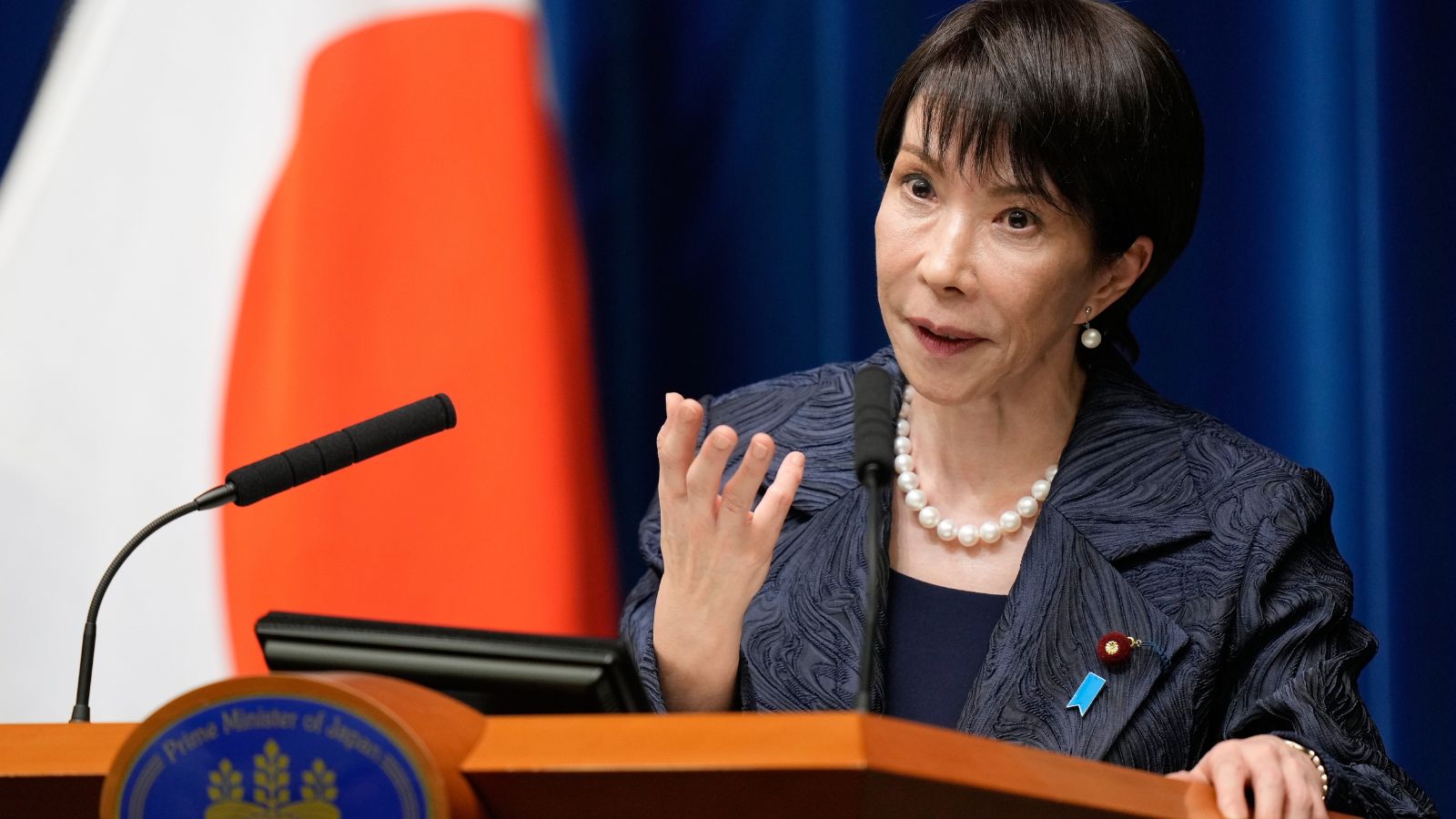
Executive time allocation serves two distinct functions: operational throughput and political signaling. When a head of state publicly highlights severe sleep restriction—such as operating on three hours of sleep per night—and manual domestic labor like ironing personal garments, the communication strategy deliberately prioritizes public relatability over optimal cognitive performance. This operational tradeoff introduces significant system-level vulnerabilities while targeting specific voter demographic psychological profiles.
The Dual Dynamics of Political Performativity
Public statements regarding personal hardship from high-ranking political figures operate across two primary axes. Building on this topic, you can find more in: The Manila Gambit and the Strategic Calculation behind the Quad Convergence.
The Relatability Construct
Modern democratic leadership demands visual proof of shared experience with the electorate. For female executive leaders, domestic micro-tasks like ironing serve as deliberate counterweights to the traditional perception of elite detachment. By broadcasting participation in unpaid domestic labor, the executive signals adherence to traditional cultural expectations of domestic responsibility despite holding supreme political power. This strategy directly mitigates accusations of class insulation or institutional arrogance.
The Work Ethic Metric
Sleep deprivation is frequently weaponized in high-stakes environments as an proxy metric for dedication. Equating total hours awake with productivity creates a powerful narrative of self-sacrifice. In East Asian political contexts, where extended work hours historically carry cultural prestige, framing sleep as a luxury sacrificed for the public good reinforces authority through perceived martyrdom. Analysts at Al Jazeera have provided expertise on this situation.
Operational Costs of Chronic Sleep Deprivation
While sleep sacrifice yields short-term communication advantages, human neurobiology imposes strict constraints on decision-making quality under chronic sleep restriction.
Sleep Restriction (< 5 Hours)
  ├──> Prefrontal Cortex Hypoactivation
  │      ├──> Impaired Risk Assessment
  │      └──> Decreased Working Memory Capacity
  └──> Micro-sleep Interventions
         └──> Reaction Time Latency Spikes
A three-hour nightly sleep regimen induces systemic cognitive deficits across four distinct operational domains.
- Risk Evaluation Deficits: Neuroimaging demonstrates that partial sleep deprivation degrades prefrontal cortex function, reducing an individual's capacity to evaluate asymmetric down-side risks during crisis management.
- Emotional Regulation Degradation: Amygdala reactivity increases significantly without sufficient rapid eye movement (REM) sleep, elevating susceptibility to volatile interpersonal reactions in diplomatic or legislative negotiations.
- Task-Switching Latency: Processing complex policy documents requires intact working memory. Sleep-deprived executives exhibit pronounced delay in synthesizing multi-variable economic data.
- Error Detection Failure: Sleep-restricted individuals consistently misjudge their own level of impairment, creating an unmonitored blind spot in executive decision loops.
The Efficiency Friction of Micro-Task Execution
Time spent on low-leverage physical activities by a chief executive represents a quantifiable opportunity cost.
| Operational Activity | Strategic Value | Delegability | Cognitive Load |
|---|---|---|---|
| Garment Maintenance | Zero | Complete | Low |
| Bilateral Trade Negotiation | High | None | Extreme |
| Domestic Policy Drafting | High | Partial | High |
| Public Image Signaling | Variable | Moderate | Low |
Allocating executive focus to tasks with zero strategic throughput generates systemic inefficiency. If a head of government spends thirty minutes daily on garment maintenance, that time is withdrawn from high-value strategic synthesis or required physiological recovery. The physical act of ironing produces zero compounding value for national administration.
Structural Asymmetries in Executive Image Management
Gender dynamics further complicate executive image strategy. Male heads of state rarely face public scrutiny regarding domestic self-sufficiency; their performance is evaluated predominantly on macro-policy metrics. Female leaders, conversely, navigate a narrow strategic corridor:
- Projecting Strength Without Perceived Coldness: Displaying unyielding authority risks alienating conservative voter blocs.
- Demonstrating Humility Without Signal Incompetence: Engaging in domestic chores establishes humility, but over-emphasizing low-skill tasks risks signaling improper prioritization.
- Managing Energy Under Asymmetric Pressure: Balancing elevated public appearance standards with high-stakes legislative workloads increases total energy expenditure compared to male peers.
This structural double-bind forces female executives to expend active cognitive capacity managing personal narratives that male counterparts bypass entirely.
Optimization Protocol for Executive Communications
To eliminate the operational risks associated with sleep-deprivation signaling while maintaining voter connection, political strategy must shift away from performative exhaustion.
First, transition the public narrative from hours spent awake to output metrics delivered. Broadcasters and electorate audiences must be anchored to policy execution rather than physical strain.
Second, separate personal authenticity from low-value manual tasks. Relatability can be established through policy focus on domestic household economics rather than the physical performance of household chores.
Third, establish institutional guardrails around executive rest. Treat cognitive readiness as a critical component of national security strategy, ensuring that key decision-makers operate at peak physiological capacity during crisis conditions.