Stop calling Latino voters a sleeping giant. That cliché wasn't just lazy ten years ago, and it's completely detached from reality right now.
Latino voters aren't waking up because they were never asleep in the first place. During the recent midterm elections, Hispanic voters showed up in record numbers across key battleground states, reshaping House races, governor's mansions, and Senate seats in ways that left traditional pollsters scrambling to explain their misses. If you want to understand why Latino voters emerged as the most decisive voting bloc in the midterms, you have to throw out the old political playbook that treats them like a single, predictable demographic. Meanwhile, you can read similar stories here: Stop Calling Southwest Floods Natural Disasters When Bad Zoning Built the Trap.
The real story isn't just that millions of Hispanic citizens cast ballots. It's how they voted, where they swung, and why both major parties are still struggling to talk to them like regular human beings instead of focus-group abstractions.
The Myth of the Monolith
Political consultants love neat little boxes. For decades, the standard Beltway wisdom assumed that Latino voters belonged reliably to the Democratic column, driven almost exclusively by immigration policy. To explore the bigger picture, check out the excellent report by The New York Times.
That assumption is dead.
If you've ever spent five minutes talking to a third-generation Mexican American small business owner in South Texas and then walked across town to speak with a Venezuelan exile in Doral, Florida, you know they share a language and very little else politically. Even within the same family, political alignment fractures along generational lines, religious beliefs, and economic class.
According to data from the Pew Research Center, Hispanic eligible voters have accounted for roughly half of all U.S. electorate growth over the last several cycles. Yet their voting patterns refuse to sit still. In the midterms, we saw dramatic regional splits that baffled national commentators. While Democrats held strong margins among urban Latino voters in states like California and Illinois, Republicans made massive inroads in border counties across Texas and solidified their dominance among Cuban and South American communities in Florida.
I've watched campaign operatives make this exact mistake cycle after cycle. They drop tens of millions of dollars on Spanish-language ads three weeks before Election Day, slap some salsa music behind a voiceover, and assume the job is done. Voters notice that kind of last-minute pandering immediately. Honestly, it's insulting. Most young Hispanic voters consume their news in English, care deeply about inflation and housing costs, and judge candidates on results rather than cultural window dressing.
Kitchen Table Economics Beat Cultural Messaging Every Time
Ask a voter in Phoenix, Las Vegas, or Allentown what kept them up at night leading into the midterms, and you won't hear academic debates about identity politics. You'll hear about the price of eggs, rent hikes, gas prices, and whether their kids can afford college.
Economic anxiety hit Hispanic households particularly hard in the run-up to the midterms. Because Latino workers are heavily represented in construction, hospitality, agriculture, and small business ownership, shifts in interest rates and supply chain costs hit their bank accounts first. When inflation spikes, a working-class family in Nevada feels it at the grocery store long before economists debate it on cable news.
This economic reality explains why pocketbook issues dominated Latino voter priorities across virtually every exit poll and post-election analysis. Organizations like UnidosUS and the NALEO Educational Fund consistently found in their pre-election tracking that inflation, jobs, and healthcare ranked miles ahead of immigration for the vast majority of Hispanic respondents.
Campaigns that led with concrete economic plans won trust. Those that relied on fear or outdated cultural tropes lost ground. It's really that simple.
Why Immigration Isn't the Single-Issue Litmus Test
Don't get me wrong—immigration still matters deeply to millions of families. Many have mixed-status relatives, and dehumanizing rhetoric from politicians definitely alienates voters.
But treating immigration as the only issue Latinos care about is a massive strategic blunder. Even on immigration itself, opinions inside the community are fiercely divided. Border security is a real concern for Hispanic residents living in border towns like McAllen or Laredo, where local infrastructure and law enforcement feel the immediate strain of migrant surges. Supporting a humane pathway to citizenship while also wanting an orderly border isn't a contradiction for these voters. It's basic common sense.
Where Latino Voters Actually Swung the Midterms
You don't win midterm majorities by running up the score in safe districts. You win them in purple suburbs and overlooked rural counties where a two- or three-point shift decides who controls Congress.
Look closely at the midterm electoral map, and the fingerprint of the Latino electorate is everywhere:
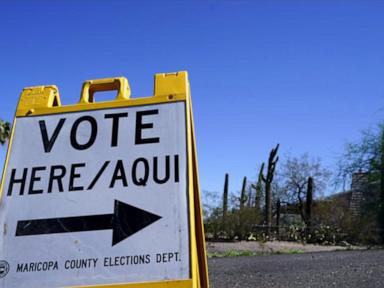
- Arizona and Nevada: In both states, Hispanic voters make up roughly a fifth to a quarter of the electorate. High turnout among younger, working-class Latino voters in Maricopa and Clark counties proved decisive in tight statewide races. When Democratic candidates leaned heavily into local ground games—knocking on doors in July heat rather than waiting until October—they survived tough economic headwinds.
- South Texas: The Rio Grande Valley used to be an automatic blue stronghold. Not anymore. Republicans invested years in building permanent community centers in places like McAllen and Brownsville, recruiting local Hispanic candidates, and framing their message around energy jobs, faith, and public safety. Even where Democrats held onto seats, the margins shrunk dramatically compared to a decade ago.
- Florida: Florida went from the nation's premier swing state to a solidly red state largely on the back of shifting Latino demographics. Republican gains in Miami-Dade County, once a reliable Democratic firewall, completely rewrote the political math of the state.
- The Rust Belt and Northeast: People often forget that Latino voters aren't just concentrated in the Southwest. In Pennsylvania, New York, and New Jersey, growing Puerto Rican and Dominican populations in cities like Reading, Allentown, and Paterson played a critical role in competitive House districts that determined control of the chamber.
The Generation Gap Nobody Wants to Confront
If you want to know where American politics is heading over the next decade, look at the age breakdown of the Hispanic electorate. It is remarkably young. Every single year, roughly one million U.S.-born Latinos turn 18 and become eligible to vote.
Think about that number for a second.
While older baby boomers dominate turnout in many other demographic groups, the Latino electorate is being constantly refreshed by Gen Z and millennial voters. And these younger voters behave very differently from their parents and grandparents.
First, they are far less attached to political party labels. Surveys from the UCLA Latino Policy and Politics Institute show that a growing share of young Hispanic voters identify as political independents. They don't owe loyalty to either the Democratic or Republican brand. They behave like free agents, willing to split their tickets or stay home entirely if neither candidate earns their vote.
Second, they get their political information from completely different ecosystems. Traditional Spanish-language television networks like Univision and Telemundo still hold sway with older generations, especially recent immigrants. Younger Latinos, however, are scrolling through TikTok, watching YouTube creators, listening to podcasts, and trading memes in WhatsApp group chats.
Political campaigns that dump 80 percent of their media budgets into broadcast television are essentially shouting into an empty room when trying to reach voters under 35. Worse yet, the vacuum left by serious journalism on social media platforms has allowed misinformation to spread unchecked in both English and Spanish, confusing voters about everything from ballot deadlines to candidate positions.
The Outreach Mistakes That Cost Campaigns Elections
Having watched local and national campaigns fumble Hispanic outreach up close, the failures usually come down to three avoidable mistakes.
- Parachuting in at the last minute. Voters can smell desperation from a mile away. Showing up at a local bakery for a photo op two weeks before Election Day after ignoring the neighborhood for two years doesn't build goodwill—it breeds cynicism.
- Bad translations and tone-deaf messaging. Running an English ad through a literal translation tool doesn't create cultural connection. Regional dialects, cultural references, and local priorities vary wildly between Los Angeles, Houston, Chicago, and Orlando. What resonates in East L.A. falls flat in Hialeah.
- Ignoring down-ballot engagement. Midterm turnout always drops compared to presidential years, especially among younger and lower-propensity voters. Campaigns that fail to explain why local school boards, state legislatures, and county commissioners directly affect a family's daily life leave thousands of votes on the table.
How Voters and Organizers Can Make Their Leverage Count
Being recognized as a critical voting bloc means nothing if that political power doesn't translate into better schools, safer neighborhoods, and real economic opportunity. Whether you're a voter tired of being taken for granted or a community organizer trying to build lasting influence, stop waiting for national parties to save the day.
- Demand year-round accountability from local officials. Don't just evaluate politicians during the six weeks before an election. Track how your city council members, state representatives, and members of Congress actually vote on small business loans, zoning laws, public transit, and school funding.
- Push back against political misinformation in family chats. When false claims about voting rules or candidate records pop up in WhatsApp threads or Facebook groups, verify them through nonpartisan election resources like Vote411 before sharing.
- Focus on local primaries, not just general elections. In heavily partisan districts—whether deep blue or deep red—the real decision happens in the primary election when turnout is lowest. Showing up in the primary gives your single vote ten times the weight.
- Support local, independent journalism. National networks only parachute into Hispanic communities when there's a tight election or a border crisis. Local reporters are the ones holding school boards and municipal governments accountable every single week.
The midterm results proved beyond a shadow of a doubt that Latino voters hold the balance of power in American politics. Neither party owns their loyalty, and neither party can build a governing majority without earning their trust. From this point forward, any strategist who treats Hispanic voters as an afterthought deserves to lose on Election Night.