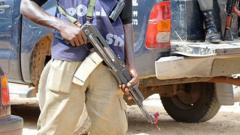
The bullets didn't just hit a bar in Jos; they tore through a fragile peace that residents have spent years trying to stitch together. When gunmen opened fire on a social spot in the Kwata Zawan community of Jos South, they weren't just targeting individuals. They were targeting the very idea of a "normal" evening in a city that’s seen too much blood. Now, the Plateau State government has slapped a 48-hour curfew on the Jos North and Jos South local government areas. It's a blunt instrument, but in a region where one spark can burn down a whole neighborhood, the authorities clearly felt they had no other choice.
If you've followed Nigerian news for more than a week, you know Jos is a powder keg. It’s a beautiful, high-altitude city that should be a tourism goldmine. Instead, it’s often a case study in ethnic and religious friction. This latest attack, which left several people dead and others fighting for their lives in hospitals like the Plateau State Specialist Hospital, follows a pattern we've seen too many times. Violence happens, the government reacts with a lockdown, and everyone holds their breath to see if the cycle repeats.
Security Forces on High Alert After the Kwata Zawan Bloodshed
The immediate aftermath of the attack was chaos. Eyewitnesses described gunmen arriving in a vehicle, spraying the bar with bullets, and vanishing before the dust even settled. This wasn't a random robbery. It felt like a message. In response, Governor Caleb Mutfwang didn't just offer condolences; he restricted movement entirely. From 10:00 PM on the night of the attack, the streets went silent.
Military personnel from Operation Safe Haven and the Nigerian Police Force have taken up positions at key intersections. You'll see armored personnel carriers at the Secretariat Junction and British America Way. The goal is simple: stop the reprisal attacks. In Jos, the "eye for an eye" mentality is the biggest threat to stability. If a group feels targeted, they often strike back at a nearby community they perceive as the enemy. The curfew is designed to keep everyone in their homes so the anger doesn't spill onto the streets.
The High Cost of Staying Indoors
Let’s talk about what a curfew actually does to a city like Jos. For a tech worker or a government official, it’s an inconvenience. For the "mama put" selling rice by the roadside or the tricycle driver (Keke NAPEP) trying to make daily rent, it’s a disaster. Two days of no movement means two days of no income. In an economy already battered by inflation and high fuel prices, this 48-hour window is a massive blow to the poorest residents.
I've seen how these lockdowns play out. People scramble to buy bread and basic supplies the moment they hear the news. Prices at the local markets spike because sellers know they might not be able to open tomorrow. The psychological toll is just as heavy. When you're told you can't leave your house because of "security threats," it reinforces the idea that your neighbor is a potential enemy. It erodes the trust that community leaders have spent months building through "peace committees" and inter-faith dialogues.
Why Military Might Isn't a Long Term Fix
We can't ignore the elephant in the room. Nigeria’s security architecture is stretched thin. Between fighting Boko Haram in the Northeast and bandits in the Northwest, the army is playing a permanent game of Whac-A-Mole. Deploying soldiers to street corners in Jos works for 48 hours. It doesn't work for 48 months.
The underlying issues in Plateau State are usually tied to land disputes, political representation, and deep-seated ethnic grievances between "indigenes" and "settlers." These aren't problems you can solve with a Kalashnikov. The government needs to move beyond reactive curfews and start looking at proactive intelligence. How did a vehicle full of armed men navigate into a populated area like Kwata Zawan without being noticed? Why are the early warning systems failing? These are the questions residents are asking while they sit behind locked doors.
What to Do If You Are in the Affected Areas
If you’re currently in Jos North or Jos South, the situation is fluid. Don't try to test the resolve of the security forces. Reports often emerge of overzealous soldiers enforcing these curfews with more force than necessary. It's not worth the risk.
- Stay off the streets entirely. Even if you think a shortcut is safe, patrols are unpredictable.
- Monitor local radio stations. Peace FM or Raypower Jos are usually the quickest to broadcast updates if the curfew is extended or eased early.
- Stock up on essentials during "windows." Sometimes the government allows a few hours of movement for people to buy food. If that happens, move fast but stay calm.
- Keep your phone charged. Electricity in Plateau is hit-or-miss. If you have a power bank, keep it topped up in case you need to call for medical help or report suspicious activity.
The 48-hour mark is a turning point. If the city stays quiet, the government might relax the rules to a dusk-to-dawn restriction. If there’s even one whisper of a reprisal, expect the lockdown to continue. For now, the people of Jos are doing what they’ve unfortunately become experts at: waiting for the storm to pass so they can try to live their lives again.
Contact the Plateau State Emergency Management Agency (SEMA) or the police hotlines if you find yourself in an emergency during the lockdown. Avoid sharing unverified "forwarded as received" WhatsApp messages that claim to show new attacks; they’re almost always designed to incite more violence. Stay informed, stay inside, and let the authorities do their jobs.