The ink on the parchment was barely dry, yet the room felt heavier by several tons.
In a quiet corner of a Caracas boardroom, far from the shouting headlines of distant capitals, men in dark suits stared at signatures that bridged a chasm. For years, the story of Venezuelan oil had been written in red ink, abandoned rigs, and rusted valves standing like silent monuments to mismanagement and isolation. The infrastructure sat choking, starved of capital, while millions of barrels of crude lay trapped beneath the earth, locked away by political walls. You might also find this similar story interesting: Why the Dutch Central Bank Quietly Moved 86 Tonnes of Gold to London.
Then came the quiet strokes of a pen.
Under the watchful eye of United States officials, billions of dollars in new energy agreements materialized between state-owned entities and corporate titans like Chevron, Eni, and General Electric. To an accountant, these are merely figures on a balance sheet. To the worker standing on a cracked concrete platform in Lake Maracaibo, watching a rust-flecked derrick creak in the humid wind, it is the sound of a heartbeat returning. As reported in latest articles by The Economist, the effects are widespread.
History teaches us a persistent lesson: energy does not care about ideology. It cares about physics. It cares about pressure, combustion, and movement. When the valves lock shut, lights go out in hospitals, kitchens go cold, and entire nations stall. When they open, the world shifts on its axis.
Consider Mateo, a hypothetical field engineer whose boots have worn thin walking the miles of aging pipelines snaking across the Zulia state. Mateo is not a politician. He does not debate sanctions, diplomatic recognition, or geopolitical leverage. Mateo cares about a pressure gauge that has stayed stubbornly in the red for half a decade. When he sees General Electric technicians uncrating diagnostic tools and Chevron logistics planners mapping out supply chains, he sees something simple. He sees a chance to fix what is broken.
The mechanics of this reconciliation are startlingly pragmatic. For years, Western sanctions created an impenetrable fog around Venezuelan crude. The oil was there, heavy and dense, waiting to feed refineries designed specifically for its unique chemistry. Yet it sat untouched because the machinery required to extract it safely and efficiently was rotting away. General Electric brings the turbines. Eni brings the technical depth. Chevron brings the operational muscle honed over a century of drilling through impossible terrain.
Crucially, the United States Treasury’s Office of Foreign Assets Control played silent architect here, issuing specific licenses that permitted these commercial giants to resume operations without triggering legal lightning. It was a calculated pivot. Global markets are thirsty. Russian supplies face permanent friction, Middle Eastern routes remain volatile, and consumers everywhere feel the sting at the pump. Pragmatism finally conquered pride.
Yet, walking through these industrial spaces, a palpable tension lingers. The air smells of sulfur, damp earth, and cautious optimism. Nobody speaks too loudly about the future. Trust, once shattered, takes longer to rebuild than a cracked refinery tower.
To understand why these billions matter, you have to look past the macroeconomics and zoom in on the human scale. Imagine walking into a local mechanic shop in Puerto La Cruz. For years, the owner, a man whose hands are permanently stained with motor oil, watched his customer base evaporate as the local economy imploded. When foreign capital flows back into the petroleum sector, it does not stay trapped in corporate towers. It leaks outward. It pays for spare parts, hires local subcontractors, fills restaurants, and keeps schools open. Money is kinetic. Once released, it rolls downhill.
Critics argue that opening these financial sluicegates rewards failure, pointing to decades of political turmoil and human rights concerns. That argument holds emotional weight. It is entirely valid to ask whether commerce should precede reform or follow it. But hunger is an immediate crisis, whereas political reform is a generational project. You cannot power a hospital on moral satisfaction.
The logic driving these deals is starkly transactional, stripped of romanticism. The world needs heavy crude, and Venezuela has the largest reserves on the planet. The companies need production to meet global demand. Washington needs price stability at domestic fuel stations. When these three imperatives align, diplomats find a way to write the rules of engagement.
Notice the quiet shift happening beneath the surface. For over a decade, the prevailing narrative was absolute decoupling, a fractured global economy retreating behind walls of tariffs and sanctions. These agreements whisper a different reality. Commerce finds a way through the cracks. It proves that interdependence is harder to kill than politicians care to admit.
We must confront the uncertainty head-on. These contracts are not permanent vows; they are fragile truces. A sudden shift in political winds in Washington or Caracas could freeze these accounts overnight. The equipment could sit idle once more, swallowed by the relentless tropical humidity. The workers know this. They have seen false dawns before. They smile with one eye open, keeping their tools close at hand.
Still, the signatures are real. The capital is moving. The heavy machinery is rolling off cargo ships and rumbling down dusty access roads toward fields that thought they were forgotten.
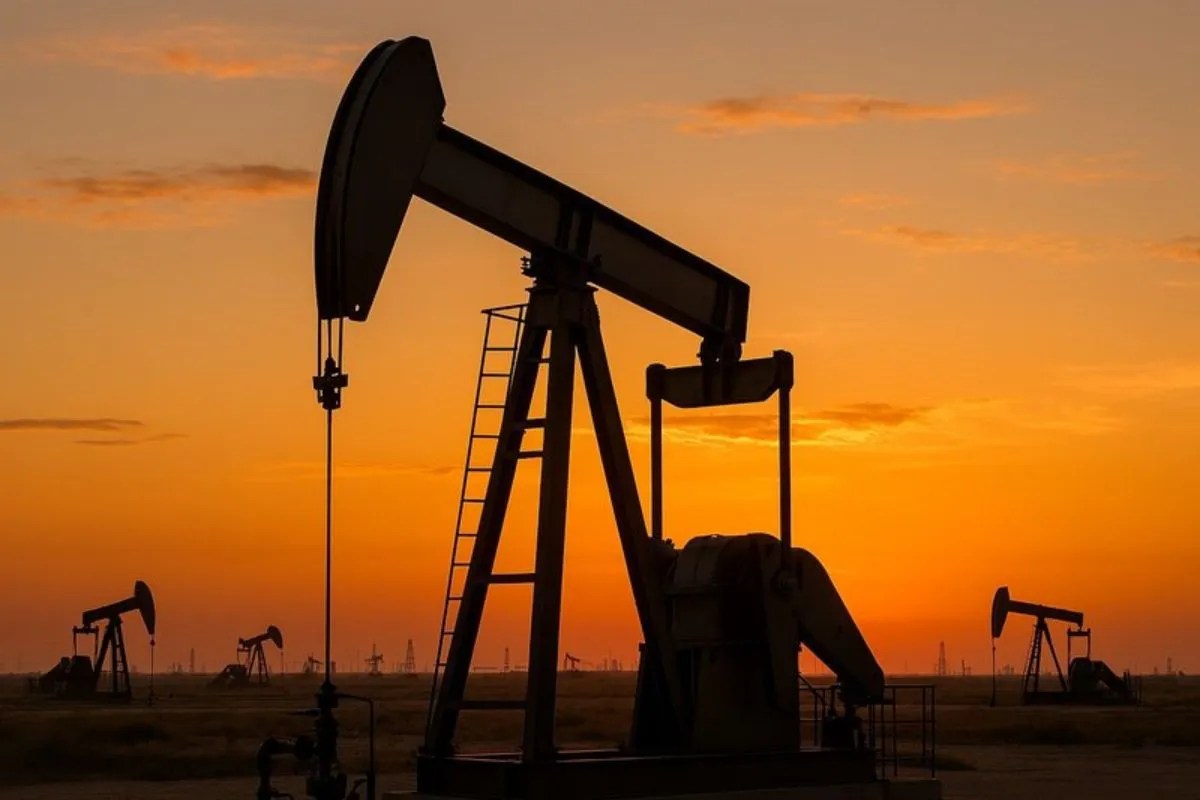
Out on the water, the sun dips below the horizon, painting the oil derricks of Lake Maracaibo in shades of bruised purple and gold. A lone crane hums to life, its steel cables tightening as they lift a heavy valve into place. The machine groans, clears its throat, and begins to work.