Peru just flipped the political script, and honestly, nobody saw it coming quite like this. Pedro Castillo, a rural schoolteacher and union leader who barely registered in early polls, surged from obscurity to win the first round of the presidential election. He didn't just win; he grabbed the steering wheel of a deeply divided nation. Now, he faces a high-stakes runoff against Keiko Fujimori, the standard-bearer of the Peruvian conservative right and daughter of imprisoned former President Alberto Fujimori.
This isn't just another routine election cycle. It's a symptom of a political system in total meltdown. Voters are exhausted by corruption scandals that swallowed up nearly every living former president. They're grieving a devastating pandemic that crushed the economy and exposed a fragile healthcare system. By putting Castillo and Fujimori in the final round, Peruvians handed the country an ultimatum between two diametrically opposed paths. You might also find this related coverage insightful: The Anatomy of Superpower Stalemate: A Brutal Breakdown of the Beijing Summit.
Understanding this vote means looking past the simple "left versus right" headlines. The real story lies in the deep chasm between Lima, the coastal capital, and the long-ignored Andean highlands.
The Rise of Pedro Castillo and the Forgotten Peru
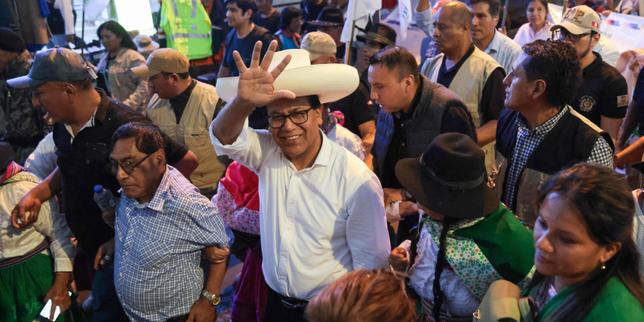
Before the vote, mainstream political analysts in Lima focused on establishment candidates. They missed the groundswell building in the provinces. Castillo, representing the Marxist Free Peru party, campaigned on a platform that resonated deeply with rural voters who feel abandoned by the traditional political elite. He rode horseback to polling stations and carried a giant yellow pencil, symbolizing his background in education and a promise to rewrite the constitution. As extensively documented in recent articles by Al Jazeera, the results are notable.
Castillo tapped into a profound sense of resentment. For decades, Peru boasted impressive macroeconomic growth, driven largely by mining exports. But that wealth never trickled down to the mountain villages or the Amazonian communities.
His platform calls for radical change. He wants the state to take control of major economic sectors, including mining, oil, and gas. He talked about renegotiating contracts with multinational corporations to ensure eighty percent of profits stay within Peru. To his supporters, this is economic justice. To his critics, it looks like a recipe for financial ruin that could scare away foreign investment and tank the currency.
Keiko Fujimori and the Polarizing Legacy of Fujimorismo
On the other side of the ballot stands Keiko Fujimori, making her third run for the presidency. Her political identity is inseparable from her father's legacy. Alberto Fujimori defeated the Shining Path insurgency and stabilized the economy in the 1990s, but his regime collapsed in authoritarian rule and human rights abuses.
Keiko Fujimori commands a loyal base that credits her family with saving Peru from chaos. Yet, she carries immense political baggage. She spent time in pre-trial detention during investigations into allegations of money laundering involving the Brazilian construction giant Odebrecht. She denies the charges, but the shadow of corruption looms large.
Her campaign positions her as the defender of the free market, democratic institutions, and the status quo. She frames the contest as a choice between freedom and communist dictatorship. For many voters who remember the economic hyperinflation of the 1980s or view leftist governments in the region with suspicion, she represents stability, despite her flaws.
A Highly Fragmented Electorate
The first-round results showed just how fractured Peru really is. Castillo advanced to the second round with less than twenty percent of the total vote. Fujimori secured her spot with an even lower percentage. This means the vast majority of Peruvians voted for someone else entirely.
The political center collapsed, leaving voters to choose between two extremes. It's a classic case of negative polarization. The second round won't necessarily be won by the candidate voters love the most, but by the one they fear the least.
The next president will also face a deeply divided and fractious Congress. Fragmentation makes passing legislation incredibly difficult and raises the risk of further political instability, including the potential for future impeachment proceedings, a tool Peruvian lawmakers used frequently in recent years.
Navigating the Political Shift
For investors, businesses, and citizens watching Peru, the upcoming runoff creates massive uncertainty. The country faces immediate challenges that require steady governance, regardless of who wins.
Economic decisions hinge on political stability. If you operate a business or hold investments tied to Peru, monitoring currency fluctuations and policy announcements regarding resource nationalism is essential. Diversifying risk away from sectors targeted for state intervention, like mining and energy, may become necessary if the political winds shift toward radical restructuring.
The upcoming campaign will likely be fierce and divisive. Watch how both candidates attempt to moderate their rhetoric to appeal to centrist voters who hold the key to the second round. Castillo may tone down his most radical economic proposals, while Fujimori will need to convince voters she represents a clean break from the corruption scandals of the past. Track the polling data closely, but remember that rural areas remain underrepresented in early surveys, just as they were in the first round.