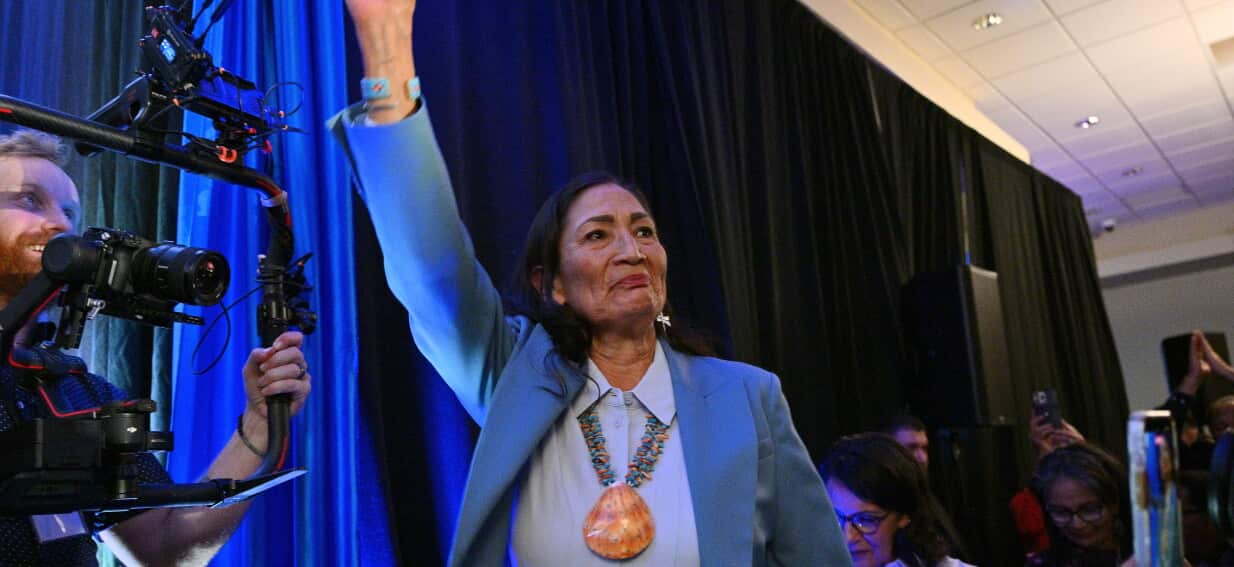
National political pundits love a simple headline. They saw Native American women winning historic seats in Congress and Donald Trump jumping into a tight Senate race, and they immediately treated them as two separate storylines.
They got it completely wrong.
Those two events aren't just happening on the same news cycle—they're two sides of the exact same political shift reshaping American elections. When you look closely at how Native American women broke centuries-old barriers in the House while Trump worked to tip the scales in a razor-thin Senate battle, you start to see where real electoral power actually lives right now. It's not in safe, predictable coastal districts. It's in battleground states where organizing on the ground collides head-on with national populist endorsements.
If you want to understand how modern American politics really works, you have to look at both halves of this equation together.
The Historic Breakthrough That Changed Congress Forever
For more than two hundred years, not a single Native American woman had ever served in the United States Congress. Not one. Think about that number for a second. Generations of federal laws, treaty negotiations, healthcare funding decisions, and land management policies were written without a single Indigenous woman sitting at the legislative table.
That wall finally cracked open in 2018, and the momentum didn't stop there.
When Sharice Davids of the Ho-Chunk Nation won her seat in Kansas's 3rd Congressional District and Deb Haaland of the Pueblo of Laguna won in New Mexico's 1st Congressional District, they didn't just win symbolic victories. They proved that Native women could build winning coalitions in vastly different political environments. Davids flipped a suburban Kansas district that Republicans had held for years. Haaland won a progressive stronghold before eventually making history again as the first Native American Cabinet secretary when she became Secretary of the Interior.
Then came the next wave.
In 2020, Yvette Herrell, a member of the Cherokee Nation, won New Mexico's 2nd Congressional District as a Republican, proving that Indigenous women's political power wasn't confined to one party. Two years later, Mary Peltola, a Yup'ik woman from Bethel, Alaska, pulled off one of the biggest political upsets in recent memory. She won Alaska's at-large House seat in a special election—and then won it again in the general election—defeating high-profile Republican opponents including Sarah Palin.
Peltola's win is the textbook example of what national commentators consistently miss. Alaska isn't a deep-blue state. Far from it. Yet Peltola won by focusing relentlessly on local issues—fisheries, rural infrastructure, resource management, and coalition-building across party lines—while mobilizing Alaska Native voters who had long felt ignored by Washington.
Here's what actually drove these victories:
- Hyper-local organizing over national talking points. Candidates like Peltola and Davids didn't run generic national campaigns. They talked about kitchen-table economics, water rights, healthcare access, and local jobs.
- Surge in Indigenous voter turnout. Organizations like Four Directions and local tribal get-out-the-vote networks spent years fighting ballot access barriers, overcoming lack of standard street addresses on reservations, and turning out voters in rural precincts that campaigns used to write off.
- Cross-party appeal. Voters in states like Alaska and Kansas responded to candidates who understood rural and suburban realities firsthand, rather than parroting cable news scripts.
Why Trump's Senate Intervention Matters So Much Right Now
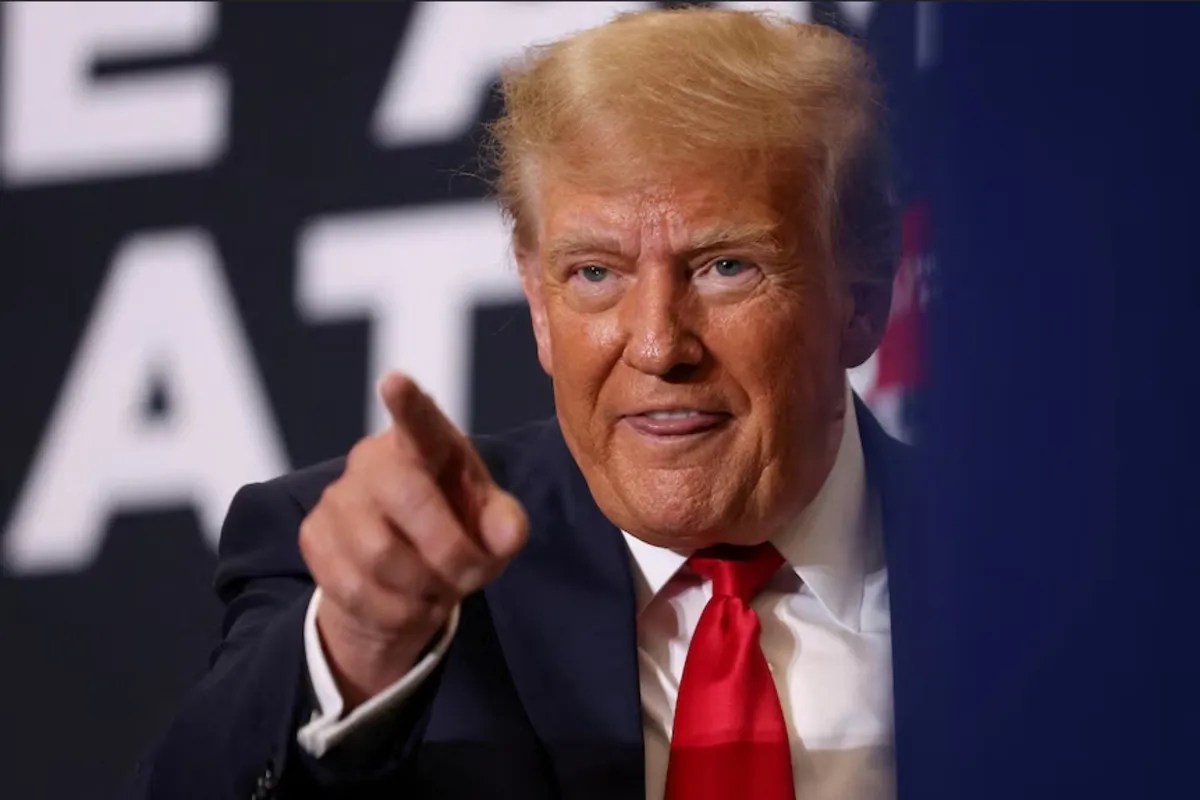
While Native women were rewriting the history books in the House, Donald Trump was doing what he does best in tight Senate races—inserting himself directly into the center of the fight to bend the outcome.
In razor-thin Senate battles, an endorsement or last-minute intervention from Trump changes the entire geometry of a race overnight. Look at how his interventions work in practice. When a Senate contest sits within a two- or three-point margin, national media attention floods in, small-dollar donations spike, and base turnout becomes the single most important metric on election night.
Trump understands base mobilization better than almost any modern politician.
When he steps into a tight Senate race—whether through rallies, Truth Social endorsements, or targeted attacks on an opponent—he forces every voter in that state to treat a local Senate contest as a referendum on him. For Republican candidates in red or purple states, that intervention can lock down rural and working-class voters who might otherwise stay home during a midterm or off-year cycle.
There's a catch, though. And any seasoned campaign strategist will tell you the exact same thing.
Trump's intervention is a double-edged sword in swing states. While it supercharges his core supporters, it simultaneously wakes up suburban independents and Democratic-leaning voters who might have been sitting on the sidelines. In states like Arizona, Nevada, Montana, and Alaska, where Senate margins regularly come down to a few thousand votes, mobilizing the opposition can erase the exact turnout advantage his endorsement was meant to create.
Where These Two Forces Collide on the Electoral Map
This is where things get genuinely fascinating. The exact states where Native American voters hold decisive sway are often the exact same battleground states where Trump's Senate interventions carry the highest stakes.
Look at the map.
In Arizona, Native nations make up roughly five to six percent of the voting-age population. When statewide Senate races are decided by fractions of a percentage point—as we've seen repeatedly in recent cycles—turnout in the Navajo Nation, the Hopi Tribe, and the Tohono O'odham Nation isn't a footnote. It's the ballgame.
In Montana, Native American voters account for around six to seven percent of the population across seven reservations. Senate races in Montana have historically turned on razor-thin margins, meaning tribal turnout can swing a statewide election even when the rest of the state leans heavily conservative.
In Alaska, Alaska Natives represent roughly sixteen to twenty percent of the electorate. When Trump weighs in on Alaska's Senate politics—as he famously did in his public feuds with Senator Lisa Murkowski—he's stepping into a state where Indigenous voters have already demonstrated they can decide federal elections, just as they did when they sent Mary Peltola to Congress.
In North Carolina, home to the Lumbee Tribe and the Eastern Band of Cherokee Indians, tight federal races regularly hinge on turnout shifts across rural counties.
National pundits love to treat "identity milestones" and "populist strongman politics" as separate universes. On the ground, they're fighting for the exact same turf.
The Strategic Mistakes Both Parties Keep Making
Having watched how federal campaigns operate in these states, I can tell you that both Democrats and Republicans routinely misread what's actually happening on the ground.
Democrats often take Indigenous turnout for granted until October. Parachuting into tribal communities three weeks before Election Day with generic flyers doesn't work. Voters remember who showed up when there wasn't an election on the calendar. The reason Native women like Deb Haaland, Sharice Davids, and Mary Peltola succeeded is because they had deep, authentic roots in their communities long before they ever filed paperwork to run for office.
Republicans often assume Trump's endorsement alone can override local dynamics. It can't. In states with strong independent streaks—like Alaska and Montana—voters resent feeling like Washington is dictating their choices. Trump's backing guarantees media coverage and base energy, but it doesn't automatically solve candidate quality issues or erase local grievances over land use, federal funding, or healthcare.
Both sides underestimate rural infrastructure. You can't run a modern digital-only campaign in communities where broadband access is spotty and mail delivery doesn't use standard residential street addresses. Winning these precincts requires actual field organizers, physical rides to the polls, and face-to-face trust.
What History Tells Us About Representation and Power
It's worth stepping back to remember why Native American women winning federal office carries weight that goes far beyond partisan scorekeeping.
Before 1924, when Congress passed the Indian Citizenship Act, Native Americans weren't even universally recognized as U.S. citizens. Even after 1924, states used poll taxes, literacy tests, and residency technicalities to keep Indigenous people off voter rolls for decades—in some places, all the way into the 1960s and 1970s.
So when Native women walk onto the House floor as elected members of Congress, they're overcoming centuries of deliberate legal exclusion.
Once in office, their presence changes what gets debated and funded. Issues like the crisis of Missing and Murdered Indigenous Women (MMIW), chronic underfunding of the Indian Health Service, tribal sovereignty over criminal jurisdiction, and climate resilience on tribal lands stop being abstract policy papers. They become personal priorities pushed by lawmakers whose own families live with the consequences.
Meanwhile, Senate races determine who confirms federal judges, who leads key committees on Indian Affairs and Energy and Natural Resources, and which party controls the legislative calendar. That's why Trump's interventions in tight Senate contests matter so directly to tribal nations. A single Senate seat flip can determine whether legislation affecting tribal sovereignty advances to a floor vote or dies quietly in committee.
How to Read the Next Election Cycle Like an Insider
If you're following upcoming federal elections and want to cut through the noise of cable news panels, stop watching national polling averages. They'll mislead you every time in battleground states.
Instead, watch three concrete indicators:
- Early ballot return rates in rural and tribal counties. Organizations like the Native American Rights Fund (NARF) and state-level civic engagement groups track ballot access and rural turnout closely. When turnout in precincts across Arizona, Montana, New Mexico, or Alaska spikes early, statewide margins shift fast.
- How local candidates handle national endorsements. Watch whether Senate candidates in tight races lean fully into Trump's national messaging or try to pivot back to state-specific economic issues. That tension tells you immediately whether internal polling shows them losing ground with independent voters.
- Down-ballot recruitment of Native women. Pay attention to state legislatures, tribal councils, and local school boards. Every historic breakthrough in Congress starts years earlier with women winning local races and building donor and volunteer networks from scratch.
The real story of modern American politics isn't a neat binary between historic representation and populist disruption. Both forces are operating at full throttle, often in the exact same states, competing for the exact same decisive votes. Keep your eyes on local turnout numbers in rural precincts and the gap between national endorsements and kitchen-table priorities—that's where the next wave of elections will actually be won or lost.