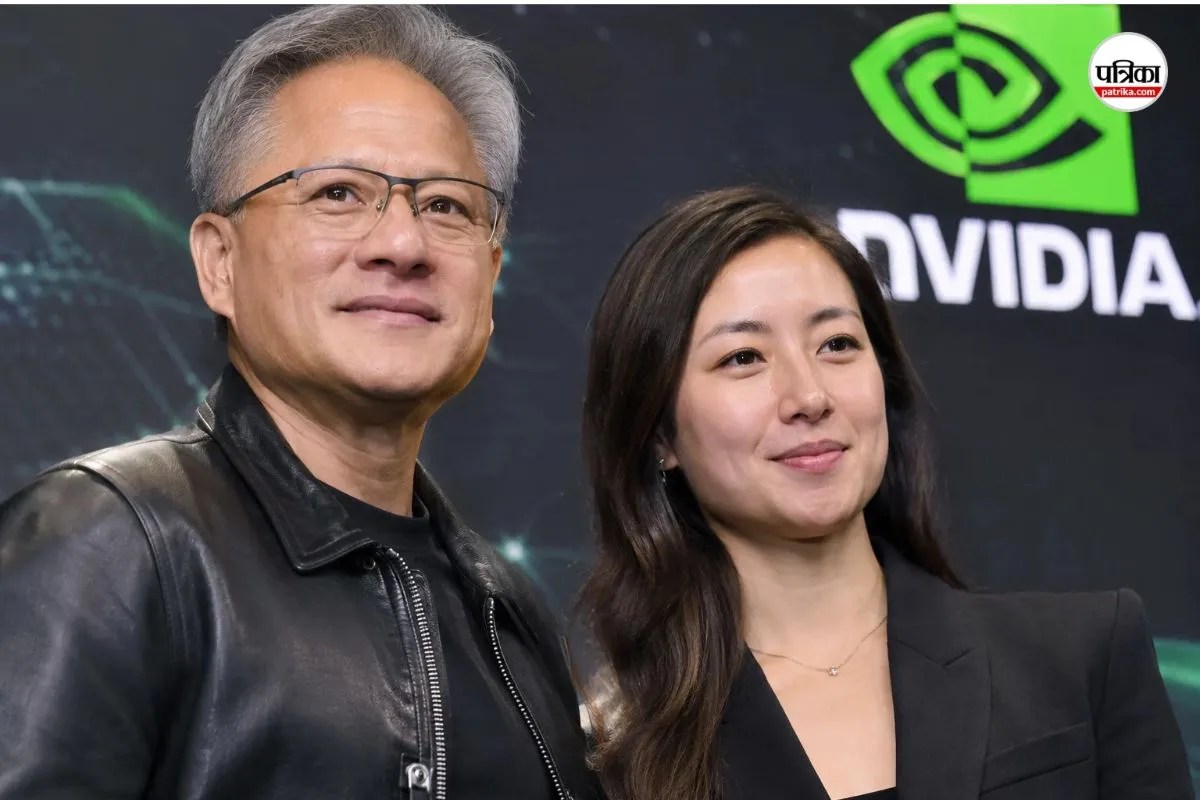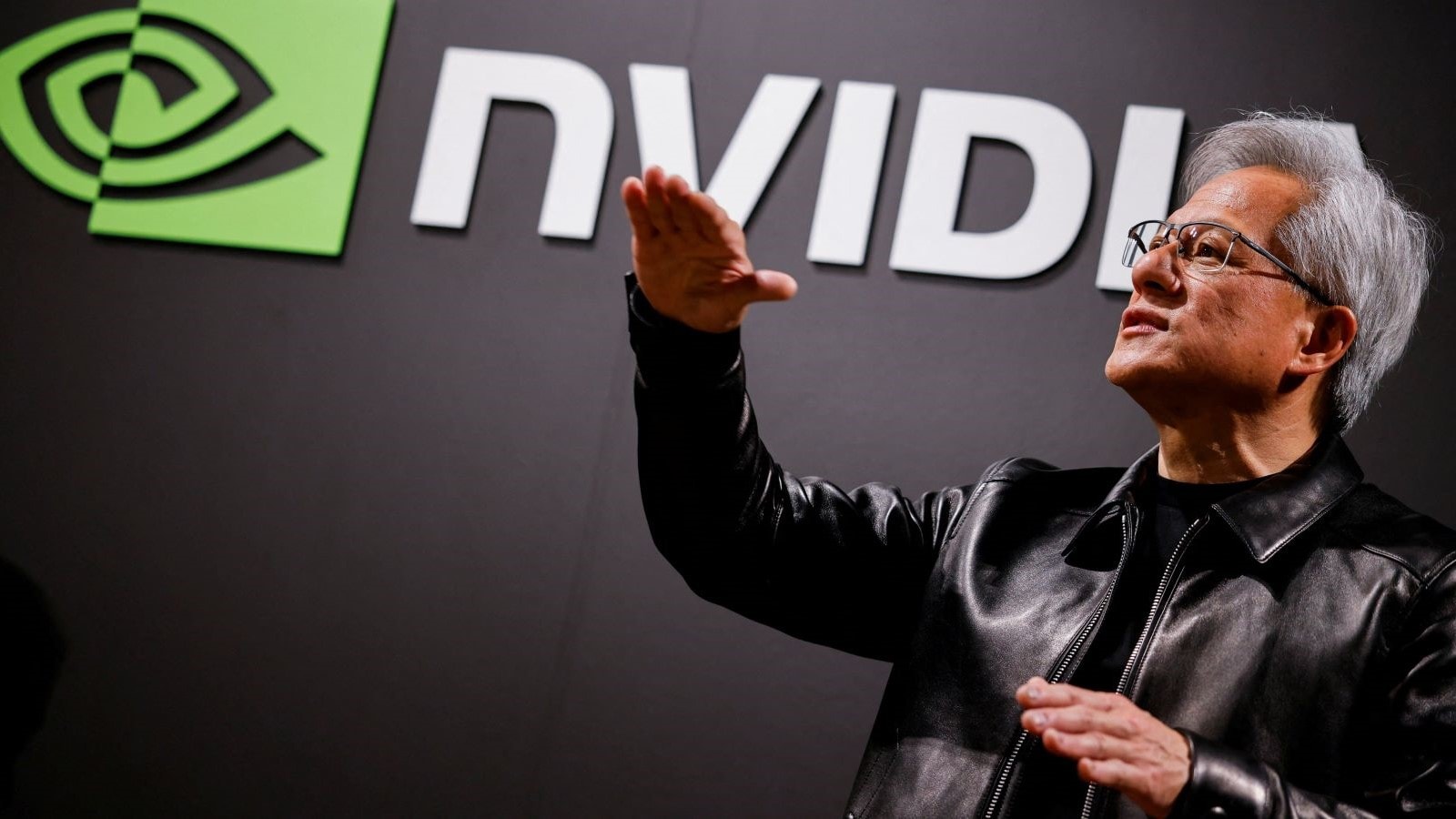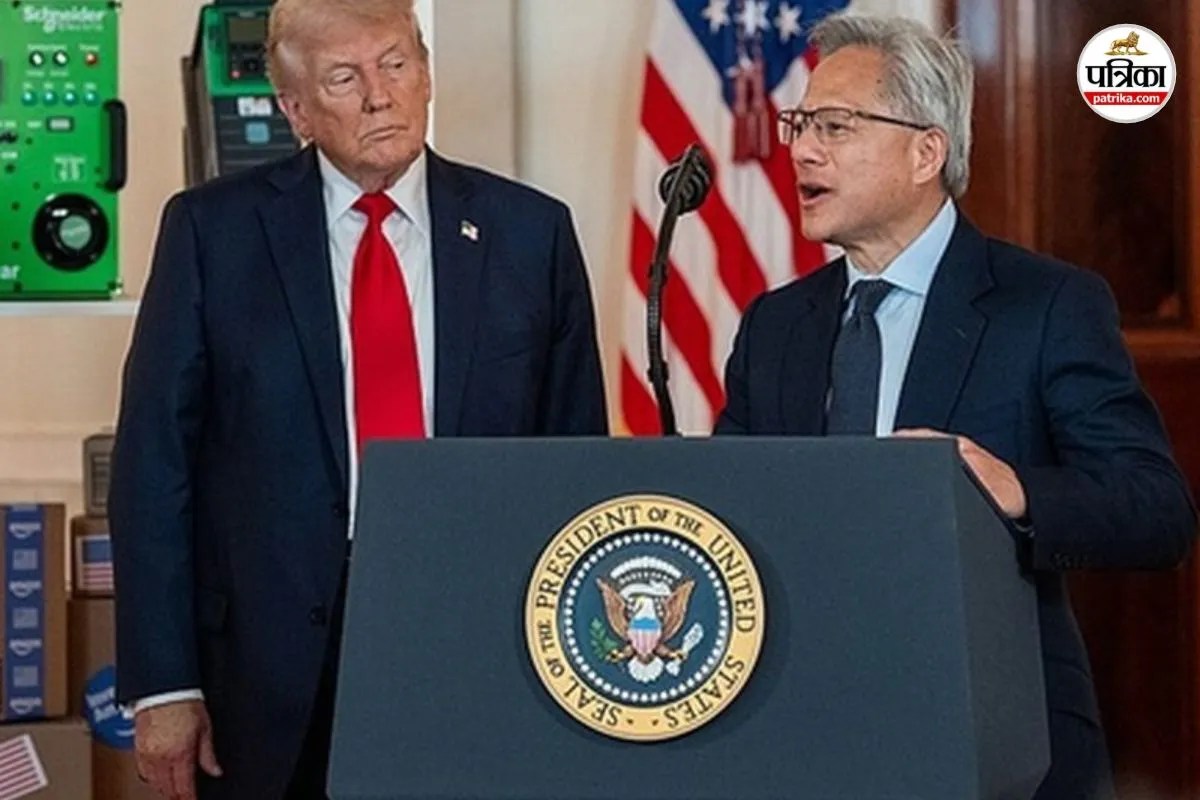
When President Donald Trump publicly demanded that Nvidia bring Jensen Huang back as chief executive, Wall Street treated it like another routine political soundbite. It wasn't. Within days of Trump calling the ousted founder "one of the truly most brilliant minds in the world," the White House wasn't just tweeting from the sidelines. Trump and Vice President JD Vance intervened directly with Nvidia’s board of directors, reversing a unanimous governance decision and putting Huang back in the corner office.
Yes, Jensen Huang has already returned to Nvidia. That is the short answer to the question dominating tech headlines right now. After resigning on November 12, 2026, amid allegations of extramarital affairs—including one with an alleged Chinese intelligence operative—and an ongoing investigation into chip smuggling, Huang was formally reinstated as president, CEO, and board director on November 23. In similar developments, take a look at: Banning Chinese Robots Won't Kill US Manufacturing—Buying Them Will.
Most coverage stops at the political drama or the stock price bounce. Look closer at the mechanics of how this happened, though, and you'll see a massive shift in how American corporate governance, national security, and artificial intelligence policy now collide.
How Trump Forced the Nvidia Board to Reverse Course
Corporate boards rarely undo a high-profile resignation less than two weeks after telling investors there is "no way back". Nvidia’s directors initially held firm after Huang stepped down, watching the chipmaker's valuation plunge below $4 trillion and shed roughly 40 to 50 percent from its peak. By November 17, Huang posted on X hinting at his willingness to come back, yet the board publicly ruled out a return. Engadget has analyzed this important subject in great detail.
Then the White House stepped in.
During a phone interview with CNBC on November 23, Trump admitted he spoke directly with Nvidia's directors to change their minds. "I spoke to them and I convinced them," Trump said, adding that falling share prices made the board far more receptive than they had been ten days earlier. Reports from Semafor and TheWrap confirmed that Trump even joined a board meeting to provide explicit national security assurances to directors who were terrified of federal liability.
Honestly, this is unprecedented in modern Silicon Valley history. Presidents lobby companies on tariffs or factory locations all the time. They do not call into private boardrooms to override fiduciary discipline and reinstate a chief executive under active federal scrutiny.
The Open-Weight AI Angle Nobody Is Talking About
Why would a sitting president expend that much political capital to rescue one tech executive? Trump’s public explanation centered on keeping talent inside the United States. He told reporters he worried China might recruit Huang to run a rival like Huawei if American institutions treated him poorly.
Behind closed doors, the calculus was much more specific. According to Reuters, Trump and Vice President JD Vance viewed Huang as the single most important defender of American open-weight AI models—systems whose underlying parameters are publicly released so developers can inspect and build on them.
Here is why that matters to Washington:
- Countering Chinese open models: Beijing has poured billions into open-weight AI systems to lock global developers into Chinese software ecosystems.
- Infrastructure lock-in: Nvidia recently moved to acquire Hugging Face in a deal valued near $13 billion and invested heavily in American open-weight startups like Reflection AI.
- Broadening chip demand: Open-weight ecosystems ensure thousands of smaller firms buy Nvidia hardware rather than leaving the entire AI market to three or four closed-model giants.
Without Huang aggressively lobbying lawmakers against premature restrictions on open weights, administration officials feared the U.S. would cede the global developer layer to Beijing. To Trump and Vance, keeping Huang at the helm wasn't about saving a CEO. It was about protecting a specific hardware-and-software moat.
National Security Pushback and Export Control Risks
Calling Huang's return "best for America" assumes his leadership carries zero strategic downside. Many national security experts and lawmakers across both parties strongly disagree.
Before Huang resigned, federal investigators were already examining whether advanced Nvidia chips were illegally diverted to restricted Chinese entities—including Megaspeed, an AI firm the U.S. subsequently added to its trade blacklist. At the same time, intelligence briefings raised alarms about Huang's alleged personal relationship with a suspected Chinese intelligence operative.
When Trump waved those concerns away—telling CNBC that Huang "did nothing wrong" and suggesting a presidential pardon was "an option" ahead of Senate testimony—bipartisan pushback erupted immediately.
- Republican dissent: Representative Don Bacon of Nebraska publicly criticized the move, arguing that America cannot claim to win the AI race while turning a blind eye to export control violations.
- Democratic investigations: Senate Minority Leader Chuck Schumer accused Huang of violating U.S. export laws, while incoming House Democratic leaders signaled plans to investigate both Nvidia’s shipments and potential financial conflicts of interest.
- Personal wealth questions: Watchdog groups and outlets like The Guardian noted that Trump personally holds Nvidia stock, estimating the post-reinstatement rally boosted his portfolio by roughly $15 million.
Governance specialists are equally skeptical. As corporate governance experts pointed out to KQED, a board’s primary job is risk management. When directors reinstate a leader whose conduct triggered a 32 percent single-day stock swing and ongoing Department of Justice inquiries, they expose the company to massive shareholder derivative lawsuits. Worse, policy analysts at the Center for American Progress noted that Nvidia lacks certain entity-level insurance protections, meaning any future civil judgment could come straight out of corporate cash reserves.
What Huang's Return Means for Investors and Tech Leaders
If you own semiconductor stocks, manage enterprise AI budgets, or track tech policy, you cannot treat Nvidia like a normal public company anymore. Political protection has replaced traditional corporate guardrails.
First, watch the compliance overhaul. As a condition of his return, Nvidia announced it is hiring a dedicated Chief Compliance Officer and vowed that Huang will cooperate fully with the board's ongoing independent investigation. Until that probe concludes, every product roadmap update or international data center deal carries headline risk.
Second, expect aggressive congressional hearings starting in December 2026 and escalating when the new Congress convenes in January 2027. A presidential assurance protects Nvidia from immediate executive-branch enforcement, not from congressional subpoenas, state attorneys general, or future administrations. Federal statutes of limitations on export control violations extend well beyond a single presidential term.
If you are evaluating Nvidia's position right now, focus on three concrete indicators rather than political rhetoric:
- Track the independent investigation timeline: Look for formal board disclosures regarding the internal compliance audit and the appointment of the new Chief Compliance Officer before assuming governance risk has cleared.
- Monitor the Remote Access Security Act: Congress is actively moving to close loopholes that allow restricted foreign firms to access American AI compute remotely via cloud intermediaries. Passage will directly tighten Nvidia's international revenue channels.
- Separate short-term rallies from structural liability: Recognize that while White House backing sparked an immediate surge in share price, shareholder litigation and statutory export probes remain unresolved on Nvidia's balance sheet.
Jensen Huang is back in his leather jacket at the top of the world's most valuable chipmaker. Whether that proves to be a masterstroke for American AI dominance or a textbook case of political hubris depends entirely on what investigators uncover over the next six months.