Fuel relief for farmers sounds great in a soundbite. You hear about billions in harvest aid and looser diesel rules, and it feels like relief has finally arrived at the pump.
Honestly, it's way messier than a quick headline makes it look.
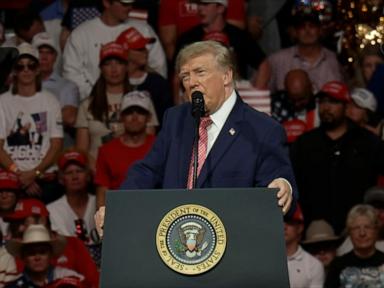
On October 19, 2026, President Donald Trump and Agriculture Secretary Brooke Rollins announced the $8 billion Harvest Fuel Relief Program to help producers absorb brutal energy bills during harvest. That came right after IRS guidance easing restrictions on on-road dyed diesel through December 31, 2026 (retroactive to October 1), a 90-day extension of a Jones Act shipping waiver affecting fuel and fertilizer transport, and a controversial sanctions waiver tied to Russian diesel supplies.
If you run a farm or haul grain, you already know why Washington panicked. Retail diesel topped $6 per gallon starting in mid-September—averaging around $6.06 per gallon by mid-November according to AAA data cited by CBS News—while USDA forecasts pointed to fuel and oil costs jumping nearly 30% as overall production costs rose 4.5% and net farm income dipped 2.6%. A 30% jump on your fuel line during harvest isn't a rounding error. It eats straight through thin margins.
Why Fuel Relief for Farmers Has So Many Catch-22s
A big check on paper doesn't pay the fuel distributor tomorrow morning. That's the first trap growers run into whenever emergency farm aid is rolled out late in the season.
According to reporting from News From The States and the Texas Farm Bureau, the USDA has been slow to lay out exact distribution timelines and application mechanics for the $8 billion Harvest Fuel Relief Program, and lawmakers have raised questions about whether shifting funds requires Congressional sign-off. Meanwhile, farm groups have been pressing Congress to finish work on the broader farm bill—specifically the Agricultural Act of 2026, where the House moved forward while the Senate lagged—because ad-hoc aid can't substitute for predictable baseline policy.
Look at how federal farm support already swings from year to year. Analysis from USAFacts using USDA data shows direct government payments jumped from $10.3 billion in 2024 to $27.9 billion in 2025—equal to 15.9% of net farm income, above the 13.5% long-term average from 1933 to 2025. Big ad-hoc infusions make headlines, yet they also create whiplash when budgets tighten or rules shift mid-stream.
The Dyed Diesel Trap You Don't Want to Step In
Red-dyed diesel is normally reserved for off-road ag equipment because it avoids federal excise tax. In mid-October, the IRS announced it wouldn't penalize the sale or highway use of dyed diesel nationwide through December 31, 2026 (retroactive to October 1) and would pause on-road dyed diesel inspections during that window.
Sounds simple, right? Not so fast.
Energy marketers and fuel retailers have warned that the IRS hasn't explicitly declared the federal diesel tax permanently forgiven rather than merely deferred. Think about what happens if a tax is deferred instead of waived: someone could eventually have to account for it, and trying to claw back tax pennies from customers weeks or months later is a bookkeeping nightmare. If you're hauling grain or running trucks on public roads, keep rock-solid records of every gallon and every date. Don't treat "no penalty right now" as "zero paperwork forever."
Global Supply Shocks Meet Domestic Politics
Why did diesel spike past $6 a gallon in the first place? Supply shocks abroad and tight refining capacity collided with peak domestic demand. Reporting around the administration's shipping and trade moves points to disruptions linked to the war in Iran, refinery damage in Russia, and tight freight routes.
To ease bottlenecks, the White House extended a Jones Act waiver by 90 days—requiring case-by-case reviews of U.S.-flagged vessel availability—allowing foreign-flagged ships to move refined fuels, crude, and fertilizer between U.S. ports. Data cited from the Cato Institute and White House officials shows hundreds of foreign-flag voyages and tens of millions of barrels moved under the broader waiver earlier in the year, helping markets like California while drawing pushback from domestic shipbuilders.
At the same time, the administration moved to waive certain sanctions restrictions on Russian diesel via Treasury general license in early October, sparking sharp pushback in Congress and legal challenges from state officials—including New Jersey Governor Mikie Sherrill—who argued the move conflicts with federal law banning Russian energy imports. Even when a policy is meant to cool global prices, geopolitical blowback can slow down actual deliveries or tie up markets in court.
What Actually Works When Diesel Spikes
I've watched plenty of producers get burned by waiting on Washington to rescue their cash flow. Hope is not a hedging strategy, and neither is assuming a press release equals cash in your checking account by Friday.
Here is what tends to hold up better in the real world:
- Lock in fuel pricing early when dips appear. Even small pullbacks—like the 47-cent monthly dip in national average gas prices noted in mid-November—can matter when you're buying thousands of gallons. Talk to your local co-op or bulk supplier about forward contracts or split deliveries rather than riding every spike.
- Audit idle time and route efficiency. Combine runs, cut unnecessary idling on tractors and grain trucks, and check tire pressure and maintenance schedules. You can't control crude oil futures, but burning 8% to 12% less fuel per acre or per mile goes straight to your bottom line.
- Keep cash-flow buffers separate from promised aid. Treat announced relief programs as potential upside until official USDA application rules, eligibility criteria, and payout dates are published. If you borrow against unconfirmed checks, you're taking on interest risk for money that might arrive late.
- Document every dyed-diesel transaction. If you use dyed diesel on public roads during the IRS grace window through December 31, 2026, log dates, volumes, and supplier receipts carefully in case tax guidance shifts later.
There's a legitimate debate here. Supporters argue fast executive action, shipping waivers, and emergency aid buy breathing room when global energy shocks hit rural America mid-harvest. Critics counter that temporary patches, sanctions waivers, and delayed payment schedules leave farmers exposed to regulatory reversals, trade fights, and unfinished long-term farm policy. Both sides can be partly true at the exact same time.
Your best move right now is practical and unglamorous: check the USDA's official announcements directly for formal Harvest Fuel Relief Program rules, review your fuel contracts with your supplier before winter and spring fieldwork ramp up, and run your numbers assuming today's high diesel prices stick around longer than you want.