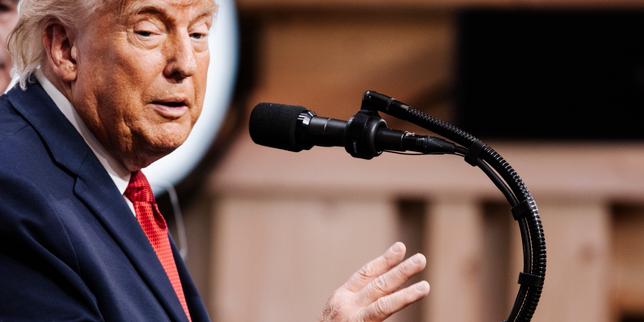
The headlines are screaming about a historic step toward peace, but let's be entirely honest here. The sudden announcement of an immediate ceasefire between the United States and Iran isn't a masterclass in diplomacy. It's a calculated retreat. When Donald Trump jumped on Truth Social to declare the end of the Middle East war and order that the oil flow, he wrapped a massive strategic concession in the language of a business victory.
If you look past the political theater staging itself for a formal signing in Geneva, the reality is stark. Washington and Tel Aviv launched massive airstrikes on February 28 to break Tehran's regional grip. Instead, after months of economic paralysis and brutal combat across multiple fronts, the US just blinked.
The immediate reopening of the Strait of Hormuz and the lifting of the American naval blockade tell the real story. This deal happened because the alternative was regional economic collapse and an uncontrollable escalation.
The Mirage of the Naval Blockade
Washington assumed a massive campaign of military pressure would shatter the Islamic Republic's internal stability. They miscalculated the core mechanics of Iranian nationalism. The societal fractures that were wide open during internal protests earlier this year vanished the moment foreign bombs started falling.
Instead of isolating the regime, the war forced a classic rally-around-the-flag effect. Everyday citizens who despise the theological leadership still chose to defend their borders. The Revolutionary Guards successfully framed their military actions not as a defense of a clerical elite, but as a fight for national survival.
By trying to force a regime collapse from the outside, the US handed the Iranian state a brand-new lease on domestic legitimacy.
Meanwhile, the economic weapon backfired. Blocking the Strait of Hormuz choked off a fifth of the world's oil supply. Energy prices spiked, global markets panicked, and the domestic political pressure inside the US grew unbearable. Trump needed a way out that he could pitch to his base as an "America First" win.
So, what did the US actually get for its military campaign? Virtually nothing.
The core objectives of the February intervention were clear: dismantle Iran's nuclear infrastructure, break its proxy network, and re-establish absolute American deterrence. None of that happened. Tehran didn't dismantle its nuclear facilities. It didn't abandon its regional allies. Instead, Iran successfully held its ground against a combined US and Israeli military assault, dictated its own timeline, and forced Washington to lift the naval blockade immediately rather than waiting for a standard 30-day transition period.
Washington Broken Ideology of Force
The fundamental mistake in American foreign policy remains the same: confusing destructive capability with strategic success. Dropping high-tech munitions can destroy buildings, but it cannot reshape historical and political realities.
The conflict quickly exposed deep cracks within the US political landscape itself. The House of Representatives passed a resolution aiming to restrict the president's unilateral military powers regarding Iran. This wasn't just Democrats opposing a Republican executive. It was a visible split within the conservative movement itself.
On one side, you have traditional interventionists like Marco Rubio who want to maintain a dominant, permanent global military footprint. On the other, you have the ascendant populist wing led by Vice President JD Vance, who openly question why billions of dollars and American lives are being spent on endless Middle Eastern conflicts. When the domestic political front is that fractured, sustaining a high-intensity war against a resilient regional power becomes impossible.
The regional blowback is equally severe. America's allies in the Gulf are watching this deal with deep anxiety. They don't see a superpower projecting strength; they see a security guarantor looking for the nearest exit. If Washington can launch a war and then abruptly sue for peace when the economic pain hits home, can Saudi Arabia or the UAE truly rely on the US defense umbrella the next time tension peaks?
Sovereignty over the Strait
Iran is walking away from this conflict with its regional standing vastly elevated. By successfully resisting a direct military coalition involving the world's premier superpower, Tehran has solidified its position as the dominant actor in the Persian Gulf.
The economic implications of the Geneva protocol are massive. Iran isn't just celebrating the removal of the warships choking its ports; it's asserting absolute operational control over the Strait of Hormuz. Because there is no wide international corridor through the strait, shipping lanes fall directly within Iranian and Omani territorial waters. Tehran is already signaling its intent to collect service fees from commercial transit.
Imagine that shift. A war meant to cripple Iran ends with the US recognizing Tehran's authority to regulate and potentially monetize the world's most critical maritime choke point.
The deal leaves several explosive loose ends that could derail the ceasefire within days.
- The Israeli Wildcard: Israeli National Security Minister Itamar Ben Gvir openly stated that the Trump agreement doesn't bind Israel. Prime Minister Benjamin Netanyahu's cabinet remains locked in a separate, brutal war against Hezbollah in Lebanon. If Israel continues its cross-border operations, Iran will face immense pressure to re-engage.
- The Reconstruction Bills: The framework hints at guaranteed war damages and indemnities. The political optics of American taxpayers indirectly or directly funding reconstruction inside Iran would cause a political firestorm in Washington.
- The Proxy Friction: The Revolutionary Guards are already alleging dozens of ceasefire violations by Israeli forces in southern Lebanon. The command-and-control structures of various regional militias are highly decentralized; it takes only one rogue rocket launch to shatter the Geneva peace structure.
If you are trying to understand where the geopolitical pieces fall next, stop reading the official press releases and track the actual movements on the ground. Watch the specific timelines for the arrival of international mine-clearing teams in the strait. If the naval demining process stalls, or if insurance companies refuse to lower risk premiums for commercial vessels, the promised economic relief will vanish before the ink on the treaty is dry.
Keep a close eye on the internal political fallout within the Israeli defense establishment. Defense Minister Israel Katz has warned that the military will protect its own security interests regardless of diplomatic shifts. The divergence between Washington's desire for a quick exit and Tel Aviv's existential view of the Iranian threat is wider than it has ever been.
Ultimately, the conflict proved that you can't bomb a complex regional reality into submission. The US wanted to show the world that its military dominance was uncontested. Instead, it proved that even the most advanced military apparatus has a strict limit when confronted by a unified domestic population and a volatile global energy market. The war didn't break Iran; it broke the illusion that Washington can dictate the terms of existence in the Middle East.
This video on the US-Iran peace deal analysis details how the political pressure from Congress and deep divisions within the Republican party forced a sudden shift in American military strategy.


