Global energy markets just experienced a massive shockwave. The United States government made a sudden U-turn that caught casual observers completely off guard. When news broke that the US partially lifts Iran oil sanctions under a newly minted framework, critics and supporters started shouting over each other. Some call it a diplomatic breakthrough. Others label it a dangerous concession.
The reality is far more pragmatic. Washington didn't ease up on Tehran out of newfound goodwill. It did it because the global economy was staring directly into an abyss of soaring inflation and crippled supply lines.
If you want to understand where gas prices, global trade, and Middle Eastern stability are heading over the next few months, you need to look past the political theater. The Biden-Trump transition politics and the recent intense military standoffs created an unsustainable bottleneck. By examining the mechanics of this temporary sanctions waiver, you can protect your own financial interests and anticipate the next big shifts in the market.
Why Washington Swallowed Its Pride to Partially Lift Iran Oil Sanctions
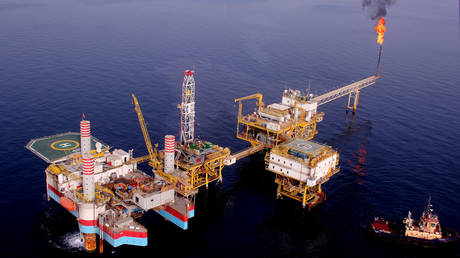
The sudden policy shift didn't happen in a vacuum. For months, a grueling naval blockade and intense regional skirmishes choked off the Strait of Hormuz. This vital maritime choke point handles roughly a fifth of the world's petroleum consumption. When the tankers stopped moving, oil prices skyrocketed.
The pressure on domestic markets became unbearable. Gas prices at American pumps surged to historic highs, threatening to trigger a deeper domestic recession. President Donald Trump openly admitted he signed the initial peace memorandum to avoid an economic catastrophe. He explicitly stated he had no desire to go down in history looking like Herbert Hoover, a president remembered for presiding over an economic collapse.
The administration needed a pressure valve. Fast.
The solution was a tactical retreat disguised as diplomacy. By allowing Iranian crude back into the global mix, Washington instantly injected liquidity into a starving market. It is a classic example of economic self-preservation trumping long-term geopolitical posturing. The primary goal wasn't to reward Tehran. It was to lower inflation numbers before they permanently broke the backs of domestic consumers.
The Technical Reality of the Sixty Day Waiver
Don't let the headlines fool you into thinking all restrictions are gone forever. The US Treasury Department structured this relief with an incredibly tight leash. Under the official general license issued by the Office of Foreign Assets Control, the authorization operates on a strict 60-day countdown ending on August 21, 2026.
This is a trial run. Nothing more.
During this two-month window, Iran is permitted to produce, deliver, and sell its crude oil and petrochemical derivatives on international markets. Surprisingly, the waiver even permits direct imports into United States ports when necessary to finalize transactions. In exchange, Tehran had to agree to concrete concessions that Vice President JD Vance has spent days defending on major news networks.
- Nuclear Inspections: Iran must allow inspectors from the International Atomic Energy Agency back into its sensitive facilities.
- Uranium Dilution: The country must actively dilute its existing stockpile of highly enriched uranium under strict international supervision.
- Strait Transit: Tehran must guarantee free, unhindered commercial navigation through the Strait of Hormuz.
The enforcement mechanism is immediate and harsh. If American or international monitors detect any non-compliance, the Treasury Department can revoke the general license with a single pen stroke. This keeps the leverage firmly in Washington's hands while giving the global market a brief moment to breathe.
What This Shifts Mean For Global Energy Supplies
The immediate logistical impact of the waiver was staggering. Within hours of the announcement, the naval blockade dissolved. Tankers that had been effectively stranded or forced to idle in regional ports for over a hundred days began firing up their engines.
More than 12 million barrels of oil moved through the Strait of Hormuz on the very first night after the deal took effect. Major global shipping fleets, including vessels connected to massive conglomerates like Cosco and NYK, immediately resumed their traditional routes.
This sudden surge in volume is already driving down crude futures. However, do not expect an immediate, permanent collapse in fuel prices. Energy analysts note that a significant portion of Iran's available supply was already leaking into global markets via a complex network of shadow fleets and illicit ship-to-ship transfers, particularly to buyers in Asia. What this waiver actually does is formalize that volume, reducing the risk premium that traders charge for moving contested cargo. It brings hidden supply into the light, stabilizing the baseline price of crude rather than doubling the physical amount of oil in existence.
Legitimate Risks and Opposing Viewpoints
Not everyone is celebrating this temporary truce. The decision has drawn fierce condemnation from several hawkish lawmakers in Congress and key international allies. Critics argue that even a temporary lifting of sanctions provides Tehran with an immediate financial lifeline.
They fear the revenue generated over the next 60 days will simply fund regional proxy groups rather than economic recovery. There is also deep skepticism regarding Iran's commitment to the nuclear stipulations. Skeptics point out that similar agreements in the past were plagued by compliance delays and diplomatic gamesmanship.
Furthermore, Iran has already announced plans to implement new maritime fees in the Strait of Hormuz once the 60-day negotiation period concludes. Tehran is messaging this internally as a historic victory over Western military power. This conflicting rhetoric shows how fragile the current peace framework really is. You are looking at a highly volatile pause in conflict, not a permanent resolution.
How to Protect Your Capital During the Sixty Day Window
High volatility creates both significant risks and unique opportunities for everyday investors and businesses. Relying on old market assumptions right now is a recipe for financial loss. You need to adjust your strategy based on the reality of this 60-day countdown.
First, reassess any heavy exposure to traditional energy sector equities. The artificial price inflation caused by the Hormuz blockade is deflating. Companies that thrived purely on $100-plus oil prices face a margin squeeze as the market stabilizes. Look closely at your portfolio and consider rebalancing toward sectors that benefit directly from lower transport costs, such as consumer logistics and retail.
Second, watch the August 21 deadline like a hawk. The market will begin pricing in the expiration of the waiver at least two weeks before the actual date. If technical talks in Switzerland stall, or if inspectors report Iranian non-compliance, oil prices will spike violently overnight. Setting trailing stop-loss orders on your investments can protect your capital from sudden geopolitical reversals.
Finally, keep an eye on broader inflationary trends. If lower energy costs successfully drag down core inflation over the next two months, central banks might find the room they need to adjust interest rates. Position your capital to take advantage of a potential late-summer market rally, but keep enough liquidity on hand to pivot if the Versailles framework shatters. Stay alert, monitor the weekly shipping data from the Gulf, and don't let political talking points cloud your financial judgment.