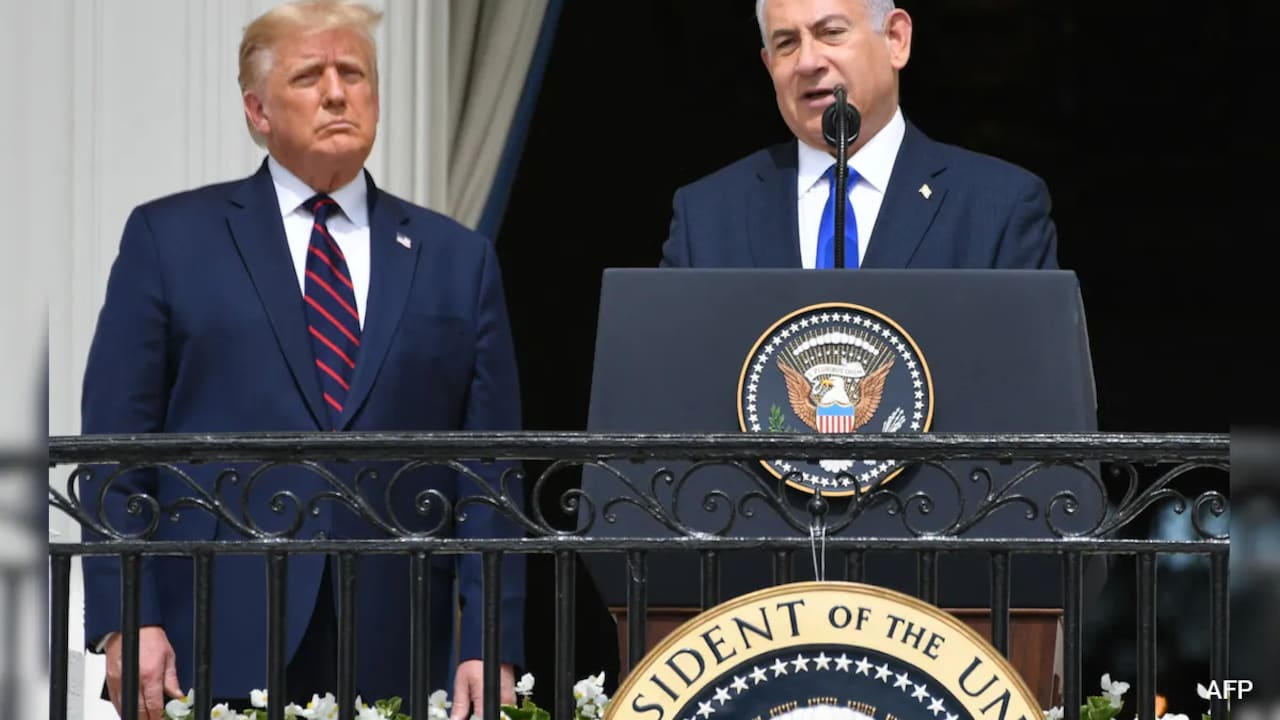
Don't buy the public handshakes. When Israeli Prime Minister Benjamin Netanyahu released a statement claiming he and US President Donald Trump are in full agreement on preventing a nuclear Iran, it wasn't a victory lap. It was damage control.
The political theater happening right now is wild. Trump is aggressively pushing what he calls the Islamabad Agreement, a sweeping diplomatic deal mediated by Qatar and Pakistan to end regional hostilities and reopen the Strait of Hormuz. Netanyahu, meanwhile, was reportedly left completely in the dark during the crucial stages of these negotiations. He literally had to call his contacts in the Trump administration just to figure out what was being signed.
The public narrative says Washington and Jerusalem are moving in lockstep. The reality? A massive gap exists between Trump's transactional diplomacy and Netanyahu's survival strategy.
The Myth of Total Alignment
Netanyahu wants you to believe nothing has changed. He hopped onto social media to remind everyone that he's spent 30 years blocking Tehran's nuclear ambitions. "As long as I am the Prime Minister of Israel, Iran will not have nuclear weapons," he declared. He added that there's complete agreement between himself and Trump on this exact point.
It sounds great on paper, but it's a political smokescreen. Netanyahu is trying to frame a shaky, emerging deal as a win for Israel to limit his own domestic political fallout.
Trump's focus has fundamentally shifted. He wants a deal signed in Europe, a frozen conflict thawed, and the global energy supply secured through a reopened Strait of Hormuz. He wants a quick win. Netanyahu, on the other hand, needs the total destruction of Iran's enrichment infrastructure. A temporary freeze doesn't cut it for Jerusalem.
What the Emerging Deal Actually Says
Iranian state media leaked details of the draft agreement, and it explains exactly why Israeli officials are sweating. The proposed Islamabad Agreement reportedly includes:
- An immediate end to hostilities on all fronts, including Lebanon.
- A rapid withdrawal of Israeli military forces from key zones.
- The unfreezing of $24 billion in Iranian assets.
- A 60-day window to negotiate the final parameters of Iran's nuclear program.
Here is the kicker: according to leaks from Iran's state news agency, IRNA, Tehran's ballistic missile program isn't even on the table. Tehran is maintaining that they won't give up their fundamental right to enrich uranium. They're basically offering a pinky promise not to build a bomb in exchange for massive sanctions relief and billions of dollars in cash.
Trump called the Iranian leaks fake news on Truth Social, blasting the Iranian leadership as dishonorable. Yet, he simultaneously called off scheduled US military strikes against Iranian energy infrastructure because "final points have been approved by all parties involved." He's fully committed to the diplomatic path, leaving Israel to face a well-funded Iranian proxy network with a heavily replenished treasury.
The Abyss Between Promises and Reality
Let's look at the actual math of this crisis. Iran has already enriched uranium to levels incredibly close to weapons-grade. They don't need a decade to build a bomb; they need a few weeks.
Jerusalem's biggest fear is that Trump's deal buys Iran time, money, and regional quiet without actually dismantling a single centrifuge. For Netanyahu, this is an existential nightmare. He put all his political chips on Trump's maximum pressure campaign. Now, Trump is playing the role of the ultimate dealmaker, ready to sign a memorandum of understanding that looks suspiciously soft to Israeli defense planners.
Political analysts inside Israel are already calling out this contradiction. The gap between what Netanyahu promised the Israeli public—regime change in Tehran and the total elimination of their missile threat—and what this deal delivers isn't a crack. It's a canyon.
Israel's Next Moves Under the New Framework
Jerusalem has already quietly declared that Israel is not a party to this memorandum of understanding. Translation: they're reserving the right to act alone.
If you want to track where this crisis goes next, ignore the press releases and watch these three indicators:
- The Enriched Stockpile Track: Netanyahu claims Trump assured him that any final accord will mandate the total physical removal of Iran's accumulated enriched uranium stockpile from Iranian soil. Watch the 60-day negotiation window. If the uranium stays in Iran, the deal is effectively dead to Israel.
- Freedom of Action Operations: Look for unilateral Israeli intelligence operations. If Jerusalem feels backed into a corner by American diplomacy, expect a surge in covert sabotage inside Iranian nuclear facilities.
- The Proxy Funding Trail: The US administration claims the deal will force Iran to stop funding regional militant groups. Watch the borders of Lebanon and Syria. If the cash flows from the unfrozen $24 billion start reaching proxies, Israel will likely launch preemptive strikes regardless of what Washington says.
The reality of 2026 is that Trump wants out of Middle Eastern wars, and Netanyahu can't afford to let Iran off the hook. They both say Iran won't get a nuclear weapon, but they have completely different definitions of what it takes to stop them.


