The bulldozers are heading back into Big Bend National Park, and almost everyone following the headlines is missing the real story.
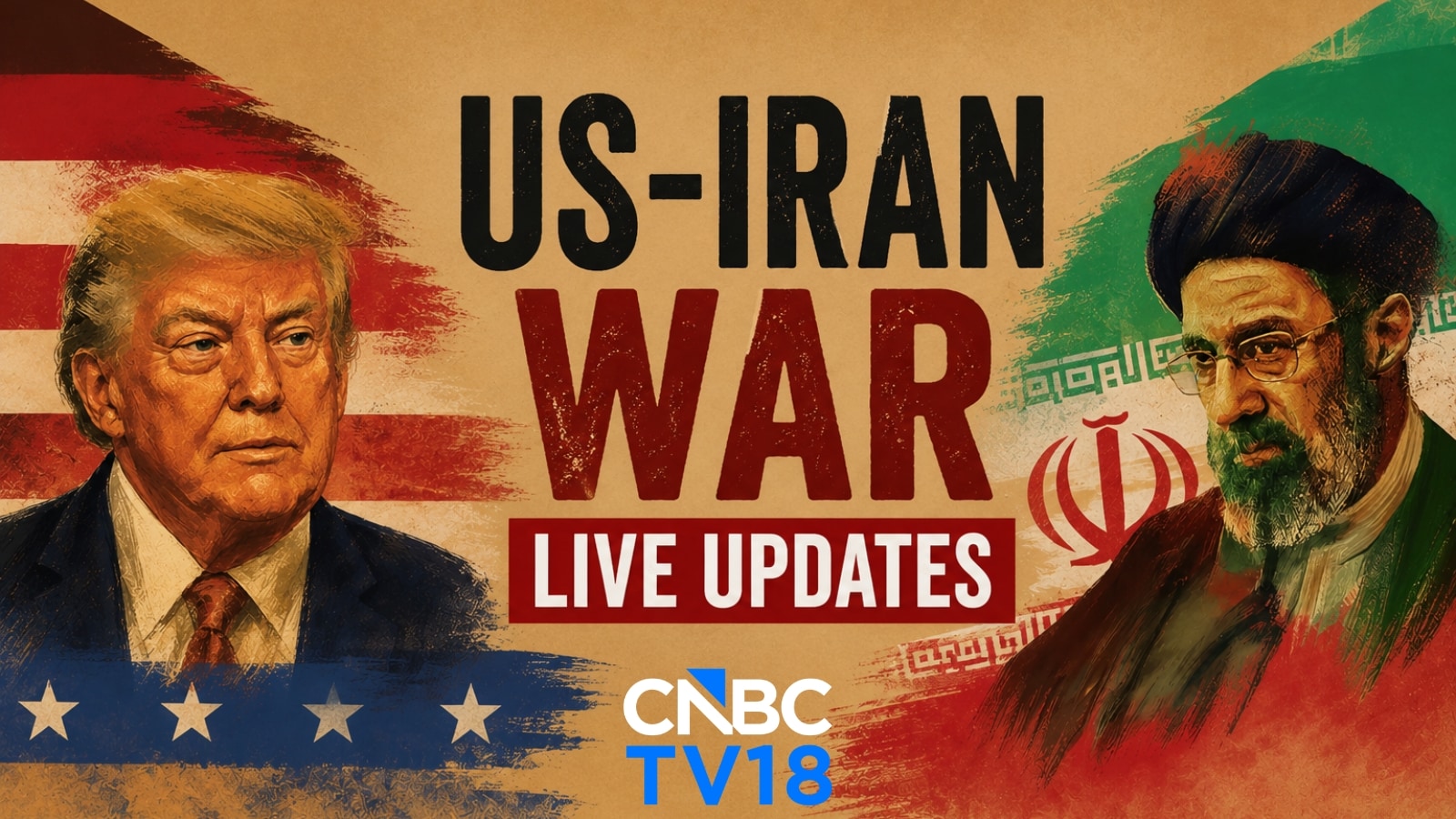
On November 9, 2026, the U.S. Supreme Court issued an emergency order allowing the Trump administration to resume building border barriers and roads across West Texas's Big Bend region. Most coverage treats this as a simple win for border security or a routine loss for conservationists. Both takes miss the bigger picture. The 8-1 ruling didn't just clear the way for steel fencing and access roads inside one of America's wildest national parks. It quietly gutted a major legal argument environmentalists were banking on to stop federal infrastructure waivers nationwide. Meanwhile, you can find other developments here: The Mechanics of Bilateral Security Exports Between El Salvador and Haiti.
If you've spent any time tracking border policy or public land litigation, you know wire services like AFP and outlets like Le Monde usually stick to the surface-level timeline. They tell you what happened yesterday. They rarely explain why the legal mechanics matter, what's actually being built in the Chihuahuan Desert, or why a stretch of river that sees roughly 1% of southern border migrant encounters just became ground zero for a $6 billion construction push.
The Legal Showdown Behind the November 9 Order
To understand why the Supreme Court stepped in so fast, you have to look at what happened in an El Paso federal courtroom a month earlier. To understand the full picture, we recommend the detailed article by The Guardian.
Back in August 2026, heavy machinery first rolled into Big Bend National Park near Santa Elena Canyon, tearing up ground before intense local backlash pushed U.S. Customs and Border Protection (CBP) into a temporary pause. When that pause expired on September 30, conservation groups—including the Center for Biological Diversity, Friends of the Ruidosa Church, and local river guide Danny William Miller Jr.—pushed back in court.
On October 2, U.S. District Judge Kathleen Cardone, a George W. Bush appointee, issued an injunction halting the project. Her reasoning was sharp. She concluded that the Department of Homeland Security had overstepped its authority when it waived dozens of federal environmental and land-protection laws to fast-track the Big Bend barriers.
Then came the Supreme Court's emergency docket.
In an unsigned 8-1 decision, the justices put Judge Cardone's injunction on hold while the underlying lawsuit winds through the lower courts. Only Justice Ketanji Brown Jackson dissented, and she didn't publish a separate opinion explaining why.
Here's the part most news summaries gloss over. Challengers had tried to invoke the "major-questions doctrine"—a legal principle conservative justices themselves have used to strike down executive actions on climate rules and student loans—arguing that bulldozing a national park without congressional sign-off is too big a decision for an agency to make alone. The Supreme Court flatly rejected that angle in this context. The justices noted that the major-questions doctrine is merely a tool for interpreting statutes, writing bluntly that there is "no such thing as a 'constitutional' major-questions claim".
Translation? Congress already gave the Homeland Security Secretary sweeping power to waive environmental laws for border barriers under the 2005 REAL ID Act, and the courts aren't going to invent new constitutional guardrails to stop it.
The Half-Million-Dollar-a-Day Argument
Money tipped the scales, too.
When the Supreme Court decides whether to freeze a lower court's order, it weighs "irreparable harm." Environmental groups pointed to torn-up riparian zones in Santa Elena and Mariscal Canyons—damage that takes decades to heal in an arid desert ecosystem.
The Trump administration countered with a cold financial number. Officials told the Court that Judge Cardone's delay was costing taxpayers nearly $500,000 per day in idle contractor fees and standby expenses that the government could never recover.
The justices bought it. In their order, they stated that the government's interest in border integrity and avoiding unrecoverable daily losses "outweighs any aesthetic, recreational, and environmental harm alleged by" the challengers. Notice that phrasing. Calling the bulldozing of a national park "aesthetic" harm tells you everything about how this Court views public land disputes right now.
What Is Actually Being Built Across Big Bend
If you picture a single unbroken 30-foot steel wall running straight through the middle of Santa Elena Canyon's 1,500-foot limestone cliffs, you've got the wrong mental image. The terrain in West Texas makes a uniform wall physically impossible in plenty of spots.
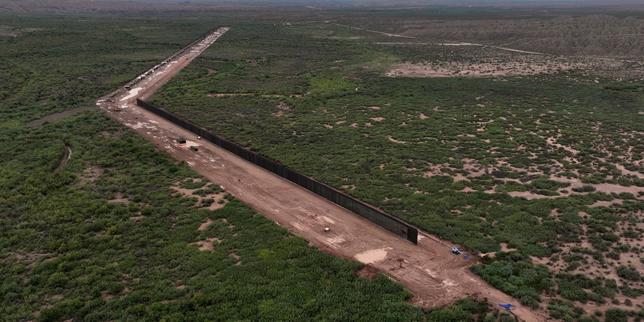
Instead, CBP's plan—backed by five contracts worth more than $6 billion—is what the agency calls a "smart wall" system tailored to different stretches of the Big Bend sector. Here is what the November 9 ruling unlocks across Brewster, Presidio, and Jeff Davis counties and downstream along the Rio Grande:
- 30-foot steel bollard fencing in accessible stretches of Big Bend Ranch State Park and flatter river approaches.
- Access and patrol roads cut directly through fragile desert soil inside Big Bend National Park to move heavy equipment and Border Patrol vehicles.
- Vehicle barriers and floating river buoys downstream through Black Gap Wildlife Management Area, the Rio Grande Wild and Scenic River corridor, Seminole Canyon State Park and Historic Site, and Amistad National Recreation Area.
- Surveillance towers, sensors, and lighting wired along ridge lines and riverbanks.
That infrastructure footprint is why local outfitters and conservationists are furious. You don't just drop steel or sensors into remote desert canyons without grading wide construction roads first. Once you cut a road into Chihuahuan Desert hardpan, erosion takes over, flash floods carve new gullies, and wildlife corridors get sliced in half.
Cary DuPuy, Texas regional director for the National Parks Conservation Association, put it plainly after the ruling came down. "These places will not recover quickly," she said. "They will show the scars of damage for years".
Why Big Bend Makes So Little Operational Sense
Let's look at the numbers, because this is where the policy debate gets weird.
The Trump administration told the Supreme Court that halting construction impedes its "compelling interests" in border security. On paper, securing a porous border sounds straightforward. In practice, Big Bend is the least trafficked sector on the entire U.S.-Mexico border.
According to CBP's own enforcement data, the Big Bend sector accounts for roughly 1% of all migrant encounters along the southern border. Why? Because nature already built a brutal barrier there. Anyone trying to cross illegally faces miles of jagged canyon walls, scorching summer temperatures above 110 degrees, almost zero water sources, and vast stretches of empty ranchland dozens of miles from the nearest highway. Smugglers and migrants overwhelmingly avoid it for the exact same reason hikers have to carry gallons of emergency water just to survive a day trip.
Even local residents and river guides who live along the Rio Grande have repeatedly pointed out that pouring billions into heavy construction here solves a problem that barely exists on the ground. Out-of-state contractors walk away with massive federal payouts, while communities in Brewster and Presidio counties—whose economies run almost entirely on park tourism—watch their main draw get scarred up.
The Tourism Math Nobody in Washington Mentions
Big Bend National Park draws roughly half a million visitors a year who come specifically for uninterrupted desert vistas, dark night skies, and quiet river trips through Santa Elena and Mariscal canyons.
When you string stadium-style border lighting, patrol roads, and steel barriers along the river corridor, you don't just alter wildlife habitat. You change the visitor experience that keeps small towns like Terlingua, Marathon, and Alpine alive. Calling that an "aesthetic" inconvenience, as the Supreme Court order did, ignores the economic reality of West Texas.
What Happens Next in the Courts and on the Ground
Don't mistake a temporary stay for a final verdict. The Supreme Court's November 9 order didn't decide the merits of the six lawsuits filed against the Big Bend project. It only paused Judge Cardone's injunction while the case moves forward in federal court.
That distinction sounds comforting until you realize how construction works.
Once bulldozers clear desert scrub, grade roads, and pour concrete footings, winning a lawsuit two years later doesn't put the limestone back together. Environmental attorneys call this "facts on the ground." By the time appellate judges issue a final ruling on whether the administration abused its waiver authority, miles of riverfront inside Big Bend National Park and Big Bend Ranch State Park will already be permanently altered.
Meghan Riley, a senior attorney at Earthjustice representing challengers, warned that restarting excavation through restored riparian areas puts irreplaceable public land on the chopping block immediately. Meanwhile, CBP has already signaled it intends to move fast to avoid burning more of that $500,000-a-day standby tab.
If you care about public lands, border policy, or how executive power operates in 2026, keep your eyes on three concrete developments over the coming weeks:
- Track the district court docket in El Paso. Judge Cardone still oversees the underlying litigation brought by the Center for Biological Diversity and local plaintiffs. Watch for motions seeking narrower, site-specific protections for cultural landmarks like the historic Ruidosa Church even while broad environmental waivers remain in effect.
- Monitor National Park Service visitor alerts before planning a trip. If you're heading to Big Bend this winter—peak season for desert hiking and Rio Grande canoeing—check nps.gov/bibe for sudden road closures, staging areas, and river access restrictions near Santa Elena Canyon and Rio Grande Village.
- Follow congressional appropriations oversight. Because the Supreme Court largely closed the door on judicial challenges to REAL ID Act environmental waivers, the only real brake left on Big Bend spending is Congress deciding whether $6 billion for a sector with 1% of border crossings actually makes sense. Contacting your House and Senate representatives on the Appropriations and Natural Resources committees is the single lever voters still hold that courts won't override.