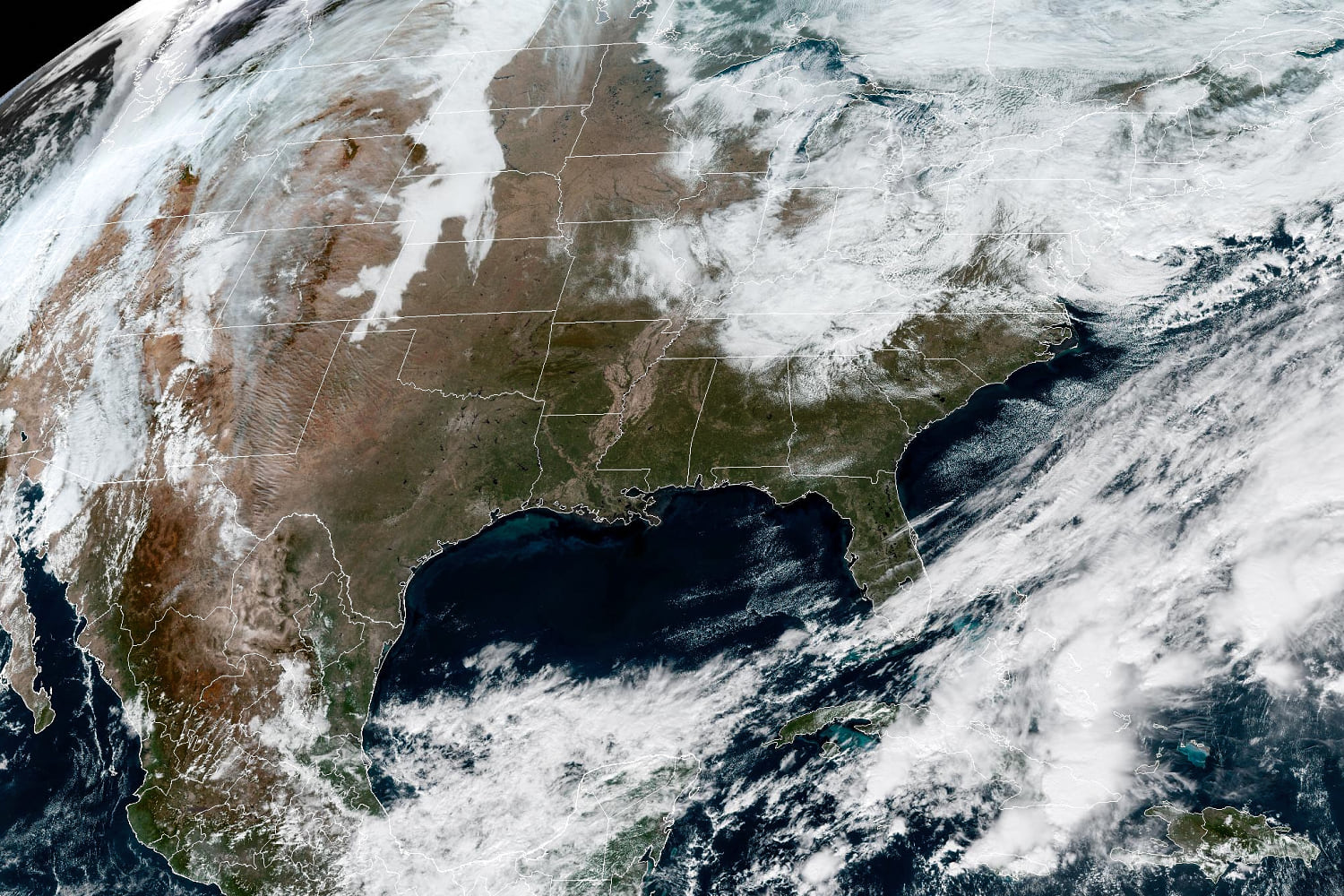
Everyone panics about the snow. When a major weekend storm system pushes across the United States and drags Arctic air down behind it, local news broadcasts fill up with graphics of snowplows and highway pileups.
They're looking at the wrong threat.
The real damage from the season's first widespread freeze doesn't happen on the interstate. It happens quietly inside walls, beneath soil lines, and across power grids that haven't been tested since last spring. Millions of Americans wake up to sub-freezing temperatures every autumn or early winter expecting a brisk morning, only to deal with burst copper pipes, dead car batteries, and wiped-out landscaping by lunchtime.
You don't need to hoard bread and milk. You need to understand how sudden temperature drops actually behave and why the first hard freeze of the season catches even seasoned homeowners off guard.
Why the First Widespread Freeze Hits Harder Than Mid-Winter Cold
A 28-degree morning in January is nothing. A 28-degree morning in November—after weeks of mild 50- and 60-degree weather—is a completely different beast.
Meteorologists at the National Weather Service (NWS) make a clear distinction between a frost and a freeze. A frost happens when temperatures dip near 32°F, allowing ice crystals to form on surfaces while the air slightly above ground stays just warm enough to prevent deep damage. A widespread freeze occurs when air temperatures drop to 32°F or lower across a massive geographic footprint, usually driven by a sharp cold front sweeping behind a low-pressure storm system. When temperatures plunge to 28°F or below for several consecutive hours, the NWS classifies it as a "hard freeze."
Here's why that initial drop hurts so much.
The Thermal Lag Trap
Ground temperatures and building materials hold onto autumn warmth. That sounds helpful, right? It's actually a trap. Because the soil and your home's exterior feel relatively mild right up until the storm arrives, people delay basic winterization. You leave the garden hose attached. You put off bleeding the outdoor spigots. You assume one cold weekend won't penetrate deep enough to cause real trouble.
Then the wind kicks up.
Weekend storm systems rarely bring calm cold. As a low-pressure system exits toward the East Coast or Great Lakes, the pressure gradient tightens, pulling brisk northwesterly winds down from Canada. Wind strips away the thin layer of warm air clinging to your home's siding, exposed pipes, and car engine blocks. Even if the ambient air temperature hovers right around 30°F, a 25 mph wind accelerates heat loss dramatically, freezing exposed plumbing in a fraction of the time it would take on a calm night.
Unacclimated Infrastructure and Grids
Utility companies feel the shock too. During the shoulder seasons—late fall and early spring—power plants routinely schedule maintenance offline because overall demand is lower than during peak summer air conditioning or dead-of-winter heating months. When a sudden freeze sweeps across dozens of states simultaneously, millions of electric heat pumps, space heaters, and furnaces kick on at the exact same hour.
Tree limbs create another massive headache. In late autumn, many deciduous trees still hold onto a surprising amount of dead or drying leaves. When a weekend storm dumps heavy wet snow or freezing rain right before temperatures plummet, those lingering leaves act like sails and buckets. They catch the extra weight, snapping branches onto power lines that would easily survive a dry mid-winter blizzard.
The Plumbing Mistakes That Cost Homeowners Thousands
If you've ever walked into a basement to find water spraying out of a split pipe, you know that sickening feeling. According to the Insurance Institute for Business & Home Safety (IBHS), burst pipes are one of the most common and expensive weather-related property claims in the United States, routinely costing thousands of dollars per incident in water remediation and drywall replacement.
Most people think pipes only burst when temperatures hit single digits. That's dead wrong.
How Water Actually Breaks Copper and PEX
Water doesn't break a pipe simply by turning into ice. It breaks the pipe through hydraulic pressure.
When water freezes inside a section of pipe—say, an uninsulated line running through an exterior wall or a crawlspace—the ice expands by roughly 9 percent. That ice plug blocks the pipe completely. As freezing continues, the expanding ice pushes trapped liquid water toward the closed faucet at the end of the line. Pressure builds up inside that sealed section until it exceeds the tensile strength of the pipe wall, easily spiking past 2,000 pounds per square inch. The pipe ruptures between the ice blockage and the faucet, not necessarily where the ice itself formed.
And you usually don't notice it until things warm up. The ice acts as a temporary cork. Once Sunday afternoon sun hits the siding and the ice melts, water floods your walls.
The Garden Hose Mistake Everyone Makes
Leaving a garden hose screwed onto an exterior frost-free sillcock is the single easiest way to flood your basement during the season's first freeze.
Frost-free spigots are designed with a long stem that shuts the water off inside the warm envelope of your house, allowing any remaining water in the exterior barrel to drain out. When you leave a hose attached, water stays trapped inside that barrel. It freezes, splits the copper casing inside your wall, and waits silently until the next time you turn the outdoor tap on in April.
Disconnect every hose. Drain them. Store them in the garage. It takes three minutes and saves you a four-figure plumbing bill.
Why Dripping Faucets Only Works If You Do It Right
You've probably heard the standard advice to let faucets drip overnight during a freeze. People mess this up constantly.
First, you only need to drip faucets served by pipes running through unheated spaces or exterior walls. Dripping a sink on an interior wall does nothing except waste water. Second, a true drip—one drop every few seconds—often isn't enough when temperatures drop into the mid-20s with high wind. You want a thin, steady trickle about the width of a pencil lead. Moving water resists freezing, and an open tap relieves that lethal hydraulic pressure if ice does start to form.
Open the cabinet doors under your kitchen and bathroom sinks too. Pretty aesthetics don't keep pipes warm. Letting room-temperature air circulate around the P-traps and supply lines makes a measurable difference when outdoor temperatures crater.
What Happens to Your Vehicle When the Temperature Plummets
Car batteries don't die because it's cold. They die because summer heat ruined them, and the first freeze finally exposes the damage.
High temperatures in July and August accelerate the evaporation of internal battery fluid and corrode the lead plates inside your car's battery. Your engine starts fine through September and October because warm oil flows easily and requires very little cranking power. Then the weekend freeze hits.
At 32°F, a standard lead-acid battery loses roughly 20 percent of its cranking strength. At 0°F, it loses closer to 50 percent. At the exact same moment your battery is operating at a deficit, your engine oil thickens like cold syrup, forcing the starter motor to work twice as hard to turn the crankshaft over. If your battery is more than three years old, that first sub-freezing morning is often its execution date.
Tire Pressure and Hidden Black Ice
Check your dashboard tomorrow morning. You're almost guaranteed to see the low tire pressure warning light glowing orange.
For every 10-degree drop in ambient air temperature, your tires lose about 1 to 2 pounds per square inch (PSI) of pressure. If your tires were already running a couple PSI low during a warm 65-degree week, a sudden plunge to 25°F drops them 4 to 6 PSI below manufacturer specs. Underinflated tires flex excessively, reduce traction on cold pavement, and ruin your fuel economy.
Even worse is what happens on bridges and overpasses during a weekend storm transition. Rain ahead of a cold front leaves roadways wet. As temperatures drop below freezing, standard asphalt roads often stay dry enough—or warm enough from residual ground heat—to remain safe. Elevated bridges and overpasses don't have earth underneath them. Cold air circulates above and below the concrete deck, freezing residual moisture into invisible sheets of black ice hours before surface streets ice over.
Protecting Your Yard and Garden Without Wasting Effort
Gardeners love to panic-cover every shrub in their yard the moment the Weather Channel mentions a freeze warning. Honestly, half of that work is unnecessary, while the plants that actually need help get ignored.
Know What Survives and What Dies
Cool-season crops—kale, spinach, carrots, broccoli, and Brussels sprouts—don't just survive a light freeze. They actually taste better afterward. When exposed to temperatures around 28°F to 32°F, these plants convert stored starches into sugars to act as natural antifreeze inside their cell walls. Leave them alone.
Tender annuals, tomatoes, peppers, basil, and tropical container plants are toast the second air temperatures hit 32°F. Ice crystals form inside their plant cells, rupturing the cell walls and turning leaves into black mush by sunrise. Bring potted plants inside the garage or house before the front arrives.
How to Cover Plants Properly
If you're trying to save late-season blooms or sensitive shrubs, stop using plastic trash bags or tarps. Plastic transfers cold directly to any leaf it touches and traps moisture that freezes onto the foliage.
Use breathable fabric instead—old cotton bedsheets, burlap, or commercial frost cloth. And don't wrap the fabric tight around the trunk like a lollipop. Drape it all the way to the ground so it traps the radiant heat rising up from the soil overnight. Anchor the edges with bricks or rocks so the storm's wind doesn't rip your cover into the neighbor's yard by midnight.
Watering your soil thoroughly the afternoon before a freeze also helps. Moist soil holds significantly more heat than dry soil and releases that warmth slowly through the night, creating a slightly warmer microclimate around plant roots.
Your Pre-Freeze Action Checklist Before Tonight
Don't wait until the wind starts howling or the first snowflakes hit the windshield. Walk around your property right now and knock out these specific tasks while your fingers still work:
- Disconnect and drain every outdoor garden hose, even if you have frost-free spigots installed on your siding.
- Close interior shut-off valves for outdoor water lines if your home has them, then open the exterior faucet to bleed out any trapped water.
- Check your vehicle's tire pressure with a physical gauge and top it off to the PSI listed on the sticker inside your driver's side door jamb.
- Swap out summer windshield washer fluid—which freezes solid on contact with a cold windshield—for winter-rated fluid rated to at least -20°F.
- Locate your home's main water shut-off valve and make sure everyone in the house knows where it is and how to turn it off in an emergency.
- Set your thermostat to a consistent temperature overnight rather than letting it drop 10 degrees while you sleep, keeping warmer air circulating near exterior walls.
- Bring sensitive potted plants indoors and lay breathable drop cloths to the ground over vulnerable garden beds before sunset.
The first freeze of the season is always a wake-up call, and the people who breeze through it without a scratch aren't lucky—they just took twenty minutes to prepare before the temperature dropped.