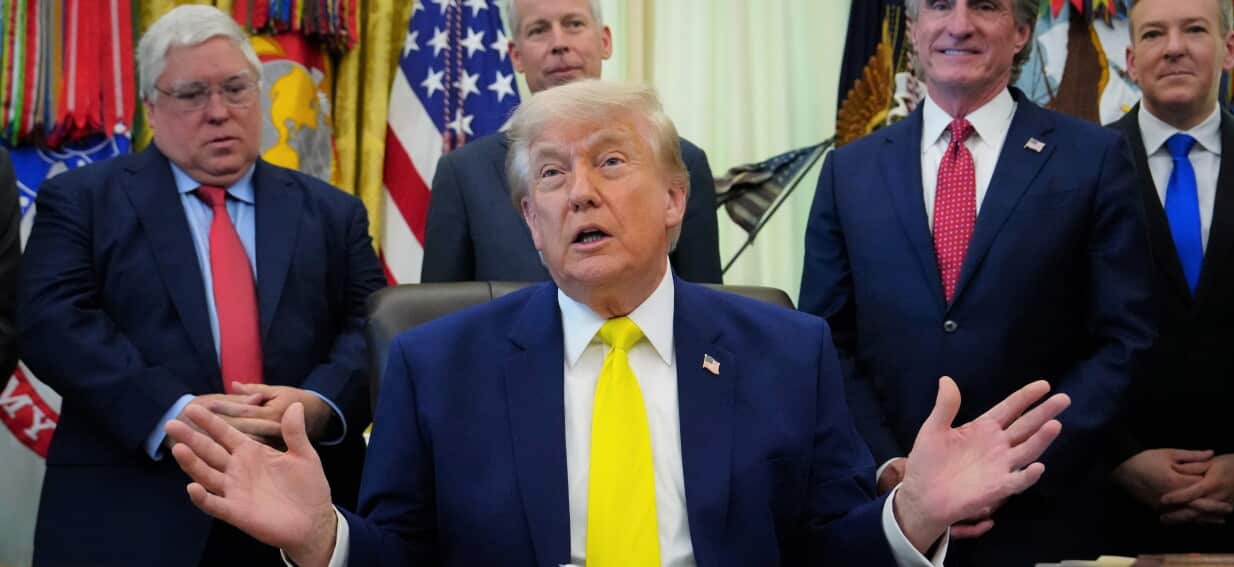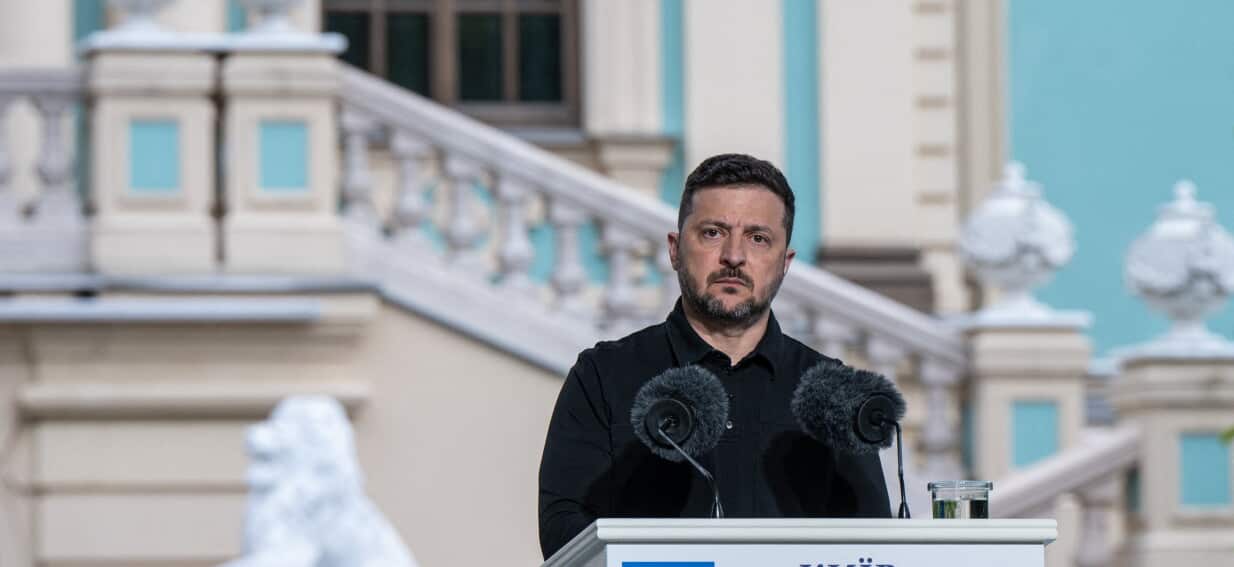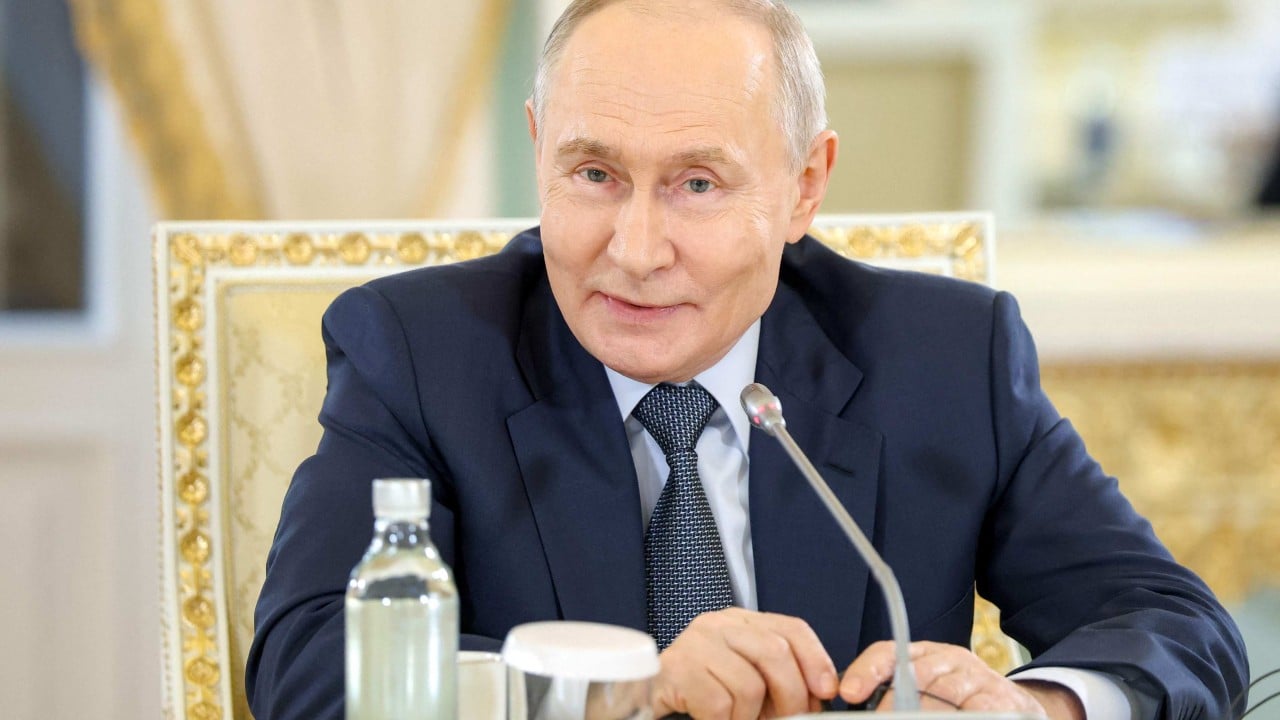
Vladimir Putin wants you to think he's ready for peace. Speaking to foreign media editors at Russia's annual economic forum in St. Petersburg, the Russian president declared that Donald Trump's proposals could finally end the fighting in Ukraine. He claimed Russia is ready to honor the compromises discussed during his high-profile summit with Trump in Anchorage, Alaska.
It sounds like a breakthrough. It isn't.
Look past the diplomatic framing and the reality is glaringly obvious. This isn't a peace offering. It's a demand for capitulation wrapped in a public relations campaign. While Putin talks about diplomacy, his troops are pushing forward on the battlefield every single day, trying to squeeze the remaining 15% of the Donetsk region out of Ukrainian control. He isn't offering an olive branch; he's telling Kyiv to surrender while he still holds the upper hand.
The Illusion of the Anchorage Compromise
The cornerstone of Putin's latest rhetorical push is the mystery deal discussed during the 2025 Anchorage summit. He kept the specific details of those "compromises" vague, but his territorial demands remain entirely unchanged. For any deal to happen, Putin insists that Ukraine must completely abandon the rest of its eastern Donbas region.
Moscow currently claims total control over the Luhansk region and says it holds more than 85% of Donetsk. For Ukrainian President Volodymyr Zelensky, giving up the remaining sliver of these territories is an absolute non-starter. It would mean validating an illegal land grab and leaving millions of Ukrainians under permanent foreign occupation.
Putin is playing a clever game here. By publicly backing Trump's framework, he attempts to position Russia as the reasonable party while shifting the blame for the ongoing bloodshed squarely onto Kyiv.
"Russia agrees to those compromises we discussed in Anchorage," Putin said. "The Ukrainian side must also agree to these compromises. Then the conflict will quickly come to a natural conclusion."
But notice what he didn't say. He didn't offer a ceasefire. He explicitly rejected the idea of halting his military advances while talks happen. He wants to negotiate with a gun to Kyiv's head, using daily artillery barrages and troop movements to force a settlement on his terms.
Why Timing Dictates the Kremlin's Rhetoric
You have to look at the broader global picture to understand why Putin is making this move right now. The geopolitical landscape has shifted dramatically. Washington is deeply distracted by the war in Iran, drawing vital diplomatic energy and military focus away from Eastern Europe.
At the same time, Ukraine is reeling from a severe shortage of Patriot air defense missiles. Russia spent the early months of the year exploiting this vulnerability, hammering Ukraine's power grids and critical infrastructure with devastating precision. Putin knows Ukraine is running low on manpower and defensive munitions. He explicitly noted that time and resources are on Russia's side, bragging about weapons that Ukraine simply cannot match.
The Hypersonic Shadow
To drive that point home, Putin dropped a chilling reminder about Russia’s military capabilities during the same press event. He noted that Russia has not yet deployed its Oreshnik hypersonic ballistic missile in full-scale combat conditions. The nuclear-capable missile, which boasts a range of over 5,000 kilometers, has only been test-fired so far.
Putin openly admitted that these tests were designed to evaluate the weapon's precision before deploying it against full-scale targets, including urban, populated areas. It was a thinly veiled threat. He is essentially telling the world that if Kyiv doesn't accept his version of a compromise, he has far deadlier tools waiting in reserve.
Zelensky's High-Stakes Counter-Offer
Zelensky isn't sitting back and letting Putin control the narrative. In a dramatic escalation of public diplomacy, the Ukrainian president published an open letter directly addressed to Putin. He proposed direct, face-to-face negotiations to end the war, bypassing European Union mediators whom Putin has already dismissed as hopelessly biased.
Zelensky’s letter didn't pull any punches. He mocked Russia’s growing military and economic dependence on North Korea and China, pointing out that the Kremlin couldn't even sustain its war effort without Pyongyang's ammunition. He also reminded Putin of his internal vulnerabilities, referencing the 2023 Wagner mutiny and recent deep-tier Ukrainian drone strikes that successfully hit targets near St. Petersburg.
Ukraine's Stance vs. Russia's Demands
-----------------------------------------------------------------
Issue              Ukraine (Zelensky)       Russia (Putin)
-----------------------------------------------------------------
Territory          No land concessions      Must cede all of Donbas
Military Actions   Demands Russian exit     Advances will not pause
Mediation          Direct leader talks      Wants Trump framework
Zelensky’s core argument is that the Russian public is quietly fracturing. He pointed to rising domestic inflation, severe gasoline shortages, and the looming fear of another mass military mobilization campaign within Russia. "You will not have enough money or political capital to keep buying the loyalty of Russians," Zelensky warned.
The Reality Behind the Rhetoric
Don't mistake this flurry of letters and press conferences for an imminent peace treaty. Both leaders are playing to an audience of one: Donald Trump.
Trump has signaled that it would be great if the two leaders met, but his administration's support for Ukraine has been inconsistent at best. By appearing open to Trump's ideas, Putin keeps the diplomatic door open while continuing his brutal war of attrition on the ground. He wants the West to grow weary of funding an endless conflict, hoping they will eventually force Kyiv to make the concessions he wants.
The hard truth is that neither side is ready to yield on the issues that actually matter. Putin insists on total control of regions his army hasn't even fully captured yet. Zelensky refuses to sign away his country's sovereignty under the threat of hypersonic annihilation.
If you're watching this situation closely, ignore the grand declarations about "peace frameworks" and "compromise." Watch the front lines in Donetsk and the air defense supply lines from the West. Those are the metrics that will actually determine how and when this war ends. Until those variables change, the talk of peace is just noise.