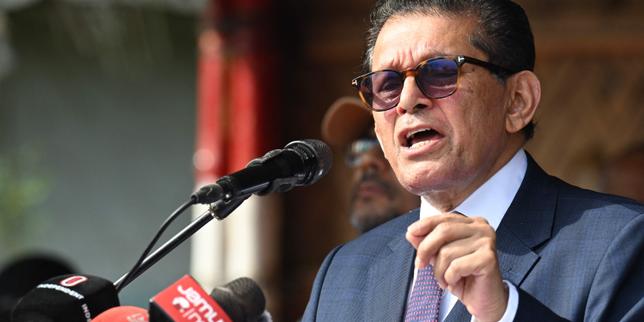
When Pakistan’s Federal Minister for Climate Change and Environmental Coordination, Dr. Musadik Masood Malik, stepped off a plane in New Delhi on November 20, 2026, cable news panels immediately went into overdrive. Some pundits called it a sudden diplomatic thaw. Others treated it like a betrayal.
Both sides missed the point.
Malik didn't fly to India to sign a peace treaty, and he certainly didn't come to apologize. He arrived to lead Islamabad's delegation at the inaugural three-day Shanghai Cooperation Organisation (SCO) Civilisational Dialogue Forum, hosted at Delhi’s historic Purana Qila from November 20 to 22. Yes, it's the first visit by a Pakistani cabinet minister to India since 2023—and the very first since the brutal four-day military conflict between the two nuclear-armed neighbors in May 2025. That makes it historically significant. It doesn't make it a bilateral breakthrough.
If you want to understand what is actually happening between New Delhi and Islamabad right now, you have to look past the airport handshakes and examine the cold, hard mechanics of multilateral diplomacy.
Why Pakistan Sent Its Climate Minister to the SCO Civilisations Dialogue Forum
People keep asking why Islamabad chose Musadik Malik instead of Foreign Minister Ishaq Dar or a lower-ranking bureaucrat. After all, Pakistan’s Foreign Office stayed quiet after confirming the invitation on November 6, offering zero public explanation for tapping the climate portfolio.
Look at the broader calendar, and the strategy becomes obvious.
First, Malik came straight from representing Pakistan at COP31 in Antalya, Türkiye, just two days prior. Sending a senior cabinet minister who is already active on the international climate circuit signals seriousness without triggering the domestic political firestorm that a Foreign Minister's visit would ignite.
Second, climate and water are the exact fault lines where India and Pakistan are currently locked in a high-stakes standoff. Following the Pahalgam terror attack and the May 2025 hostilities, India placed the 1960 Indus Waters Treaty "in abeyance" as part of a punitive diplomatic package. Back in June, Malik himself made headlines with a fiery speech warning that whoever touches Pakistan's water will have their "hands cut off".
Putting that exact minister on a stage in New Delhi wasn't an accident. It allowed Islamabad to project strength at home while fulfilling its institutional obligations abroad.
The Purana Qila Backdrop and What Malik Actually Said
Once inside Purana Qila—a 16th-century fort built by Mughal Emperor Humayun and expanded by Afghan ruler Sher Shah Suri—Malik leaned heavily into historical symbolism rather than immediate political grievances. Indian Prime Minister Narendra Modi inaugurated the gathering, which brought together delegates from Russia, China, Iran, Kazakhstan, Uzbekistan, Belarus, Kyrgyzstan, Cambodia, Laos, and Saudi Arabia.
Addressing a thematic session on Saturday, November 21, Malik pointed to the very walls surrounding the delegates. "One wall, two rivals, meaning two rulers and one fort, meaning two layers and one trench," he told the room. He praised the forum's framing as Tehzeeb Ki Guftagu—a dialogue of civilisations—and argued that Delhi hadn't been diminished by outside influences over the centuries, but strengthened by them.
Honestly, it was classic diplomatic theater. When asked directly about civilisational ties between India and Pakistan, Malik kept things philosophical. "Singularity doesn't require a dialogue. Singularity only requires a monologue," he said, framing climate change as a shared threat to human civilisation that requires regional cooperation across Eurasia.
The Diplomatic Reality Behind Closed Doors
Don't let the poetic speeches at Purana Qila fool you into thinking normal relations are returning anytime soon. Both capitals went out of their way to lower expectations before Malik even landed.
India's Ministry of External Affairs (MEA) spokesperson Randhir Jaiswal made it clear that invitations went out strictly under the SCO framework, which requires the host nation to invite all member states, observers, and dialogue partners. Former Indian High Commissioner to Pakistan Sharat Sabharwal noted that New Delhi had no choice as the organizer.
Meanwhile, India's domestic opposition immediately attacked the government over the optics. Congress spokesperson Supriya Shrinate slammed the administration for hosting a minister who had recently threatened to shed blood and cut off hands. To neutralize that criticism, MEA officials repeatedly briefed the press that India's stance on the Indus Waters Treaty remains completely unchanged and that zero bilateral meetings were scheduled.
Consider the current state of India-Pakistan relations:
- No High Commissioners: Neither country has posted a top envoy in the other's capital since 2019, leaving embassies run by chargés d'affaires.
- Naval Friction: Just two months ago, in September 2026, Indian and Pakistani naval vessels collided in the Arabian Sea, prompting New Delhi to formally summon Pakistan's envoy in protest.
- Treaty Deadlock: On August 31, 2026, a court of arbitration in The Hague ruled that India couldn't unilaterally suspend the Indus Waters Treaty, a jurisdiction New Delhi flatly rejected.
- Zero Bilateral Talks: Both sides confirmed that Malik's schedule was strictly limited to multilateral SCO sessions.
As former Pakistani High Commissioner Salman Bashir bluntly put it, the SCO simply provides an opportunity to maintain a "semblance of civility". When Indian External Affairs Minister S. Jaishankar traveled to Islamabad for an SCO summit in October 2024, optimists predicted a reset. Seven months later, the two countries were trading military strikes. Multilateral handshakes don't erase core security disputes.
Why the 2027 Islamabad Summit Changes the Math
So if bilateral ties are frozen solid, why did Pakistan bother showing up in Delhi at all?
Because Pakistan took over the SCO’s rotating chairmanship on September 1, 2026.
In diplomatic circles, reciprocity is everything. Pakistan is scheduled to host the main SCO Council of Heads of State summit in Islamabad in August 2027—the exact same month both India and Pakistan mark 80 years of independence. On top of that, the SCO recently named Lahore its tourism and cultural capital for the 2026–2027 term.
If Islamabad had boycotted New Delhi's inaugural Civilisational Dialogue Forum, it would have handed India an easy excuse to skip the 2027 leaders' summit in Pakistan or send a junior official. By showing up in Delhi, inviting member states to Pakistan for next year's meetings, and behaving as a cooperative SCO chair, Islamabad protected its own diplomatic turf.
How to Track What Actually Matters Next
If you follow South Asian geopolitics, ignore the sensational headlines every time a diplomat crosses the Wagah border or lands at Indira Gandhi International Airport. Instead, watch three concrete indicators over the next nine months to see whether this visit produces anything real:
- Follow-up on Lahore's SCO Cultural Calendar: Watch whether Indian cultural delegations or archaeologists actually travel to Lahore for events tied to its 2026–2027 designation as SCO tourism capital. People-to-people movement usually precedes political movement.
- Backchannel Movement on the Indus Waters Treaty: Pay attention to technical-level water commissioner meetings rather than speeches at cultural forums. Until New Delhi and Islamabad resolve their dispute over river data and arbitration, everything else is just window dressing.
- New Delhi's Representation in August 2027: Keep an eye on who India sends to Islamabad next summer. If Prime Minister Modi or External Affairs Minister Jaishankar attends in person, you'll know the quiet conversations on the sidelines of Purana Qila actually meant something.
You can read the full text of the Pakistan Ministry of Foreign Affairs press release alongside the coverage of Malik's remarks at Purana Qila to compare how each government framed the exact same 48 hours for its own domestic audience. Watch Pakistan's minister address the SCO Civilizational Dialogue in Delhi to see how Malik directly frames climate threats and regional stability during his formal speech in New Delhi.