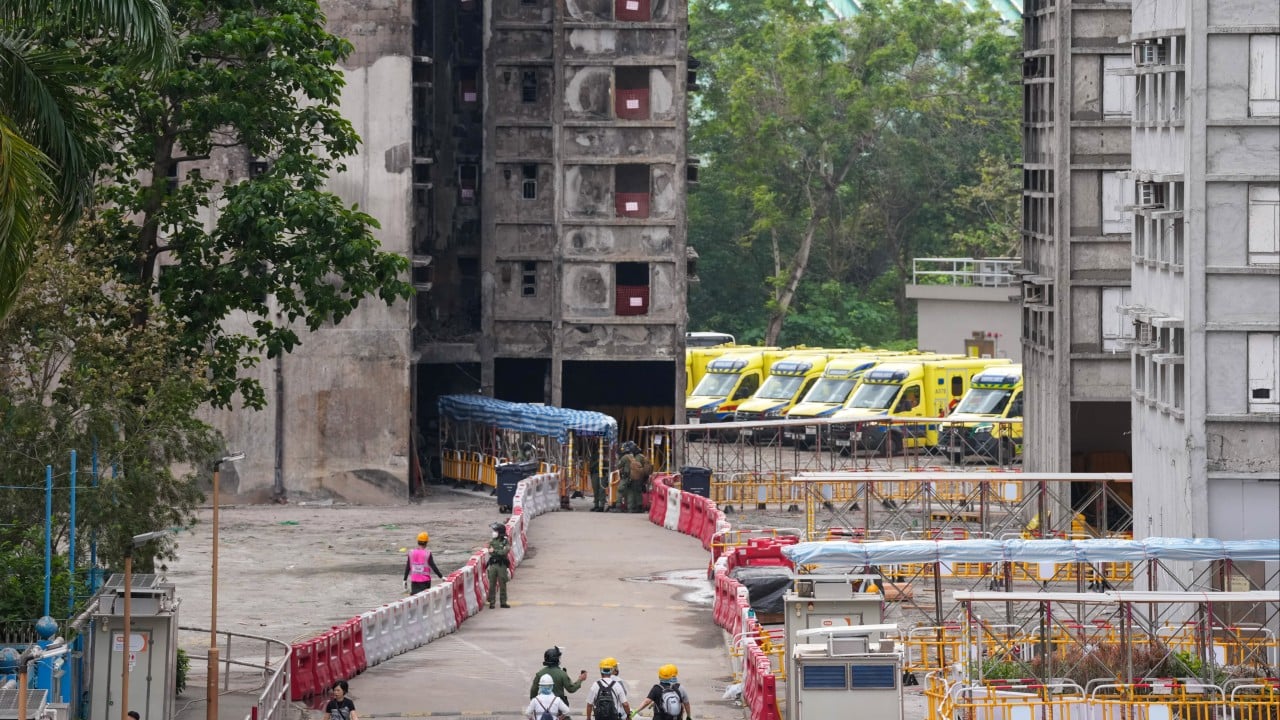
Emergency hospital admissions for high blood pressure in England jumped by 77% between 2019/20 and 2025/26, climbing from 24,481 to 43,306 cases. If you caught the dramatic headlines calling hypertension a "silent killer," you probably saw the fear-inducing warning and moved on. That's the exact mistake millions of people are making right now.
Most coverage treats this surge like a sudden mystery virus. It isn't. The real story behind NHS England's November 2026 data isn't just that blood pressure is rising—it's that nearly two-thirds of eligible adults are ignoring free preventive screenings until they end up in A&E.
Out of 3.8 million people invited for an NHS Health Check in 2025/26, only 1.3 million actually showed up. Meanwhile, women accounted for roughly a third more hospital care episodes with a hypertension diagnosis than men—31,582 female episodes compared to 23,317 male episodes.
Why Emergency Hypertension Admissions Jumped 77%
Let's be honest about what happened between 2019 and 2026. Routine primary care took a massive hit during the pandemic years, and millions of routine blood pressure checks simply vanished from people's calendars. When you skip routine monitoring for half a decade, mild hypertension doesn't stay mild. It quietly stiffens arterial walls, strains the left ventricle, and damages blood vessels in the kidneys and brain until a crisis forces an ambulance call.
Dr. Helen Williams, NHS England's national clinical director for cardiovascular disease prevention, called the 77% increase in emergency care "alarming". She's right. When someone arrives at an emergency department with a hypertensive crisis, the damage is often already underway—triggering strokes, heart attacks, acute heart failure, or vascular kidney damage.
Here is what competitor news summaries gloss over: NHS England's data doesn't isolate a single biological trigger for the spike. We don't have a neat breakdown showing how much comes from pandemic screening backlogs versus ultra-processed diets, sedentary work-from-home routines, or rising stress. What we do know from the figures is crystal clear. Preventive detection collapsed for millions of invited adults, and emergency wards are absorbing the fallout.
The Myth of "I Feel Fine So My Blood Pressure Is Normal"
This is the deadliest assumption in preventive medicine. People expect high blood pressure to announce itself like a pulled muscle or a bad flu.
It won't.
In the vast majority of cases, chronic hypertension produces zero noticeable symptoms. You can walk around with a reading of 165/105 mmHg while running errands, lifting weights, and feeling completely normal. By the time high blood pressure causes physical red flags, you're usually dealing with dangerously elevated numbers or acute organ strain.
When severe hypertension does trigger warning signs, they typically look like this:
- Persistent, throbbing headaches that worsen over time
- Blurred, double, or suddenly reduced vision
- Chest tightness, pressure, or unexplained shortness of breath
- Dizziness, lightheadedness, or sudden loss of balance
- Irregular heartbeats, palpitations, or unusual confusion and fatigue
If you're waiting for a nosebleed or a headache to tell you it's time to check your blood pressure, you're playing roulette with your cerebral arteries. Even nosebleeds—often cited in popular articles—are relatively uncommon on their own compared to silent vascular wear and tear.
Why Women Are Showing Up in Hospital Data More Often
One of the sharpest details in the 2025/26 NHS figures is the gender gap: 31,582 hospital care episodes involving a hypertension diagnosis among women versus 23,317 among men.
Most people still think of heart disease and hypertension as predominantly male problems. That outdated stereotype costs women years of early intervention. Before menopause, estrogen offers some protective vascular effects, which often lulls younger women and even some clinicians into assuming cardiovascular risk is low. Once women hit perimenopause and menopause, declining estrogen levels trigger stiffer blood vessels and sharper rises in systolic pressure.
There's also a healthcare interaction factor. Women generally engage more frequently with primary and hospital care services, meaning underlying hypertension is more likely to be recorded during an admission. At the same time, hormonal shifts, pregnancy-related hypertensive history, and auto-immune conditions create distinct blood pressure trajectories that get missed if everyone relies on a one-size-fits-all assumption.
What Your Blood Pressure Numbers Actually Mean
Walking into a pharmacy or clinic without knowing the diagnostic thresholds leaves you at the mercy of vague reassurance. Under guidelines from the National Institute for Health and Care Excellence (NICE), doctors don't diagnose hypertension off a single nervous reading in a bright waiting room.
White-coat syndrome is real. Your pressure spikes when you're rushed, cold, or stressed in a GP surgery. That's why NICE criteria separate clinic readings from real-world averages:
- Clinic Stage 1 Hypertension: A surgery reading of 140/90 mmHg or higher, confirmed by a daytime ambulatory or home average of 135/85 mmHg or higher.
- Clinic Stage 2 Hypertension: A surgery reading of 160/100 mmHg or higher, confirmed by a home or ambulatory average of 150/95 mmHg or higher.
- Severe Hypertension: A clinic systolic reading of 180 mmHg or higher, or a diastolic reading of 120 mmHg or higher. This requires urgent same-day medical assessment.
If you're under 80 and diagnosed with hypertension, the standard clinic treatment target is below 140/90 mmHg (or below 135/85 mmHg on home monitors). For adults aged 80 and over, targets sit slightly higher—below 150/90 mmHg in clinic—to avoid dizziness and falls from over-treating.
How to Get Checked Without Waiting Weeks for a GP
You don't need to sit on hold at 8:00 AM trying to book a GP appointment just to find out your numbers. NHS England expanded the community pharmacy Hypertension Case Finding Service specifically to remove that friction.
Between July 2025 and July 2026 alone, community pharmacies across England delivered over 3.3 million blood pressure checks, flagging more than 375,000 people for follow-up monitoring and GP review.
Here is how the three main routes work in practice:
- Walk-In Pharmacy Checks: If you're aged 40 or over and live in England, you can walk into most participating high-street pharmacies and get a free blood pressure check without an appointment. If your initial reading is high, the pharmacist can fit you with an ambulatory monitor you wear for 24 hours to get an accurate daytime average before sending results straight to your GP.
- The NHS Health Check: If you're between 40 and 74 without a pre-existing cardiovascular condition, your GP surgery or local council invites you every five years. It's a 20-to-30-minute MOT covering blood pressure, cholesterol, blood sugar, and stroke risk.
- Under-40 High-Risk Checks: Even if you're under 40, you can request a free check if you have a strong family history of early heart disease, a personal history of gestational hypertension, or an elevated BMI.
Buying a Home Monitor and Measuring Like a Pro
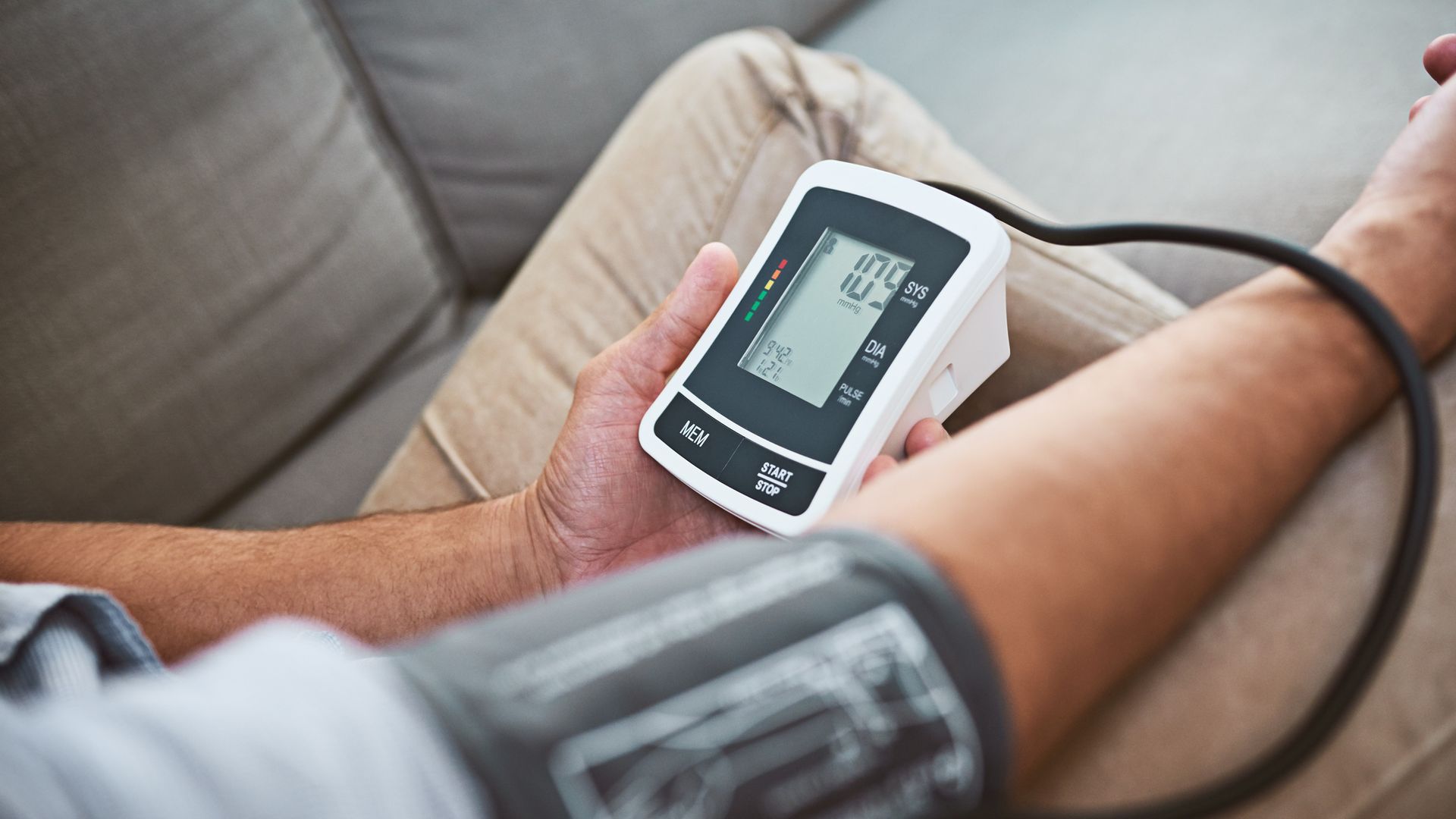
Honestly, one of the best £25 investments you can make is buying a validated upper-arm blood pressure monitor. NHS clinicians increasingly recommend home monitoring because a week of calm morning and evening readings beats a single rushed clinic measurement every time.
Skip wrist monitors. They're notoriously sensitive to arm position and routinely spit out inaccurate numbers. Buy an upper-arm cuff validated by the British and Irish Hypertension Society (BIHS) and check that the cuff size actually fits your arm circumference—a cuff that's too small artificially inflates your reading.
When you measure at home, follow the exact protocol NICE recommends for home blood pressure monitoring:
- Sit quietly in a chair with your back supported and feet flat on the floor for five minutes before pressing start.
- Rest your arm on a table so the cuff sits level with your heart.
- Avoid caffeine, exercise, and smoking for at least 30 minutes beforehand, and empty your bladder first.
- Take two readings at least one minute apart, twice a day (morning and evening), for four to seven consecutive days.
Ignore the very first day's readings if you were anxious about using the machine, then average the rest. Write them down or export them from the monitor's app so you have hard data ready for your pharmacist or GP.
Small Daily Changes That Actually Move the Needle
Once you see elevated numbers, panic-buying exotic supplements won't fix anything. Blood pressure responds to boring, consistent mechanical and dietary shifts.
Start with sodium—and look beyond the salt shaker. Roughly three-quarters of the salt people eat is already hidden inside supermarket bread, ready meals, cured meats, pasta sauces, and restaurant food. Cutting daily salt intake below 6 grams (about one teaspoon) drops systolic pressure within weeks. Pair that with potassium-rich whole foods like bananas, spinach, potatoes, and beans, which help your kidneys flush excess sodium out of your bloodstream (though skip potassium-based salt substitutes if you have kidney disease or take certain blood pressure medications).
Move your body consistently rather than sporadically. You don't need marathon training; 150 minutes a week of brisk walking, cycling, or swimming lowers vascular resistance and keeps arteries elastic. Keep alcohol within the 14-unit weekly limit spread over several days, because binge drinking triggers sharp rebound spikes in blood pressure the following morning.
Your Immediate Action Plan
Stop treating high blood pressure as a future problem for "older" people. If you haven't had your blood pressure checked in the last 12 months, walk into a participating local pharmacy this week and ask for a free NHS blood pressure check—it takes ten minutes and requires zero paperwork. If you already own a home cuff, run a proper seven-day morning and evening log starting tonight, calculate your average, and book a routine GP review if that average sits at or above 135/85 mmHg.