Political standoffs in South Asia rarely follow a predictable script, but the heavy-handed response to Imran Khan’s political machine marks a stark escalation in Islamabad. When midnight raids, mass detentions of high-profile family members, and communications blackouts become standard procedure ahead of a planned demonstration, the friction goes far beyond routine law enforcement. It reflects a deeper structural battle for control over Pakistan's political future.
If you look past the surface headlines about blocked roads and tear gas, you'll see a calculated campaign designed to dismantle the Pakistan Tehreek-e-Insaf (PTI) party from the inside out. Understanding why these confrontations keep repeating requires looking closely at how state machinery and street-level resistance interact under immense pressure.
The Anatomy of a Midnight Crackdown
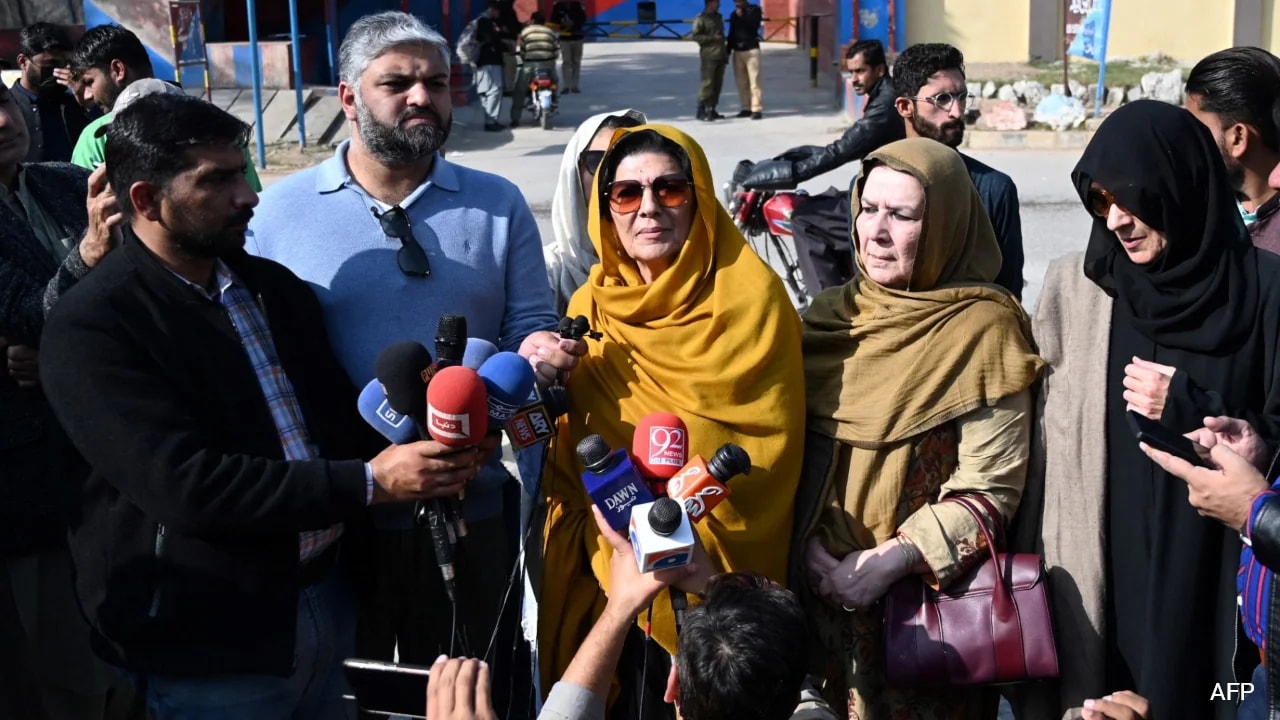
State operations targeting political opposition members usually follow a familiar playbook, yet the scale witnessed during recent sweeps caught many seasoned observers off guard. Security forces didn't just break up street protests; they targeted residences, disabled local surveillance infrastructure, and detained close relatives under colonial-era maintenance ordinances.
The rationale offered by authorities points to public order and the enforcement of emergency bans on large gatherings. But the timing tells a different story. These operations invariably intensify right before a major mobilization or "mega march" organized to demand Khan’s release from imprisonment.
- Targeted Intimidation: Raids executed in the dead of night aim to disorient leadership networks and frighten secondary organizers.
- Legal Pretexts: Utilizing antiquated public order laws allows authorities to hold key figures without filing immediate, standard criminal charges.
- Information Blackouts: Restricting movement and monitoring communication channels prevents cohesive counter-strategies on the ground.
Why the Strategy Backfires on the State
The core miscalculation made by the establishment involves the psychological impact of suppression. In traditional political dynamics, locking up leadership and cornering a party's core supporters usually forces compliance. With PTI, however, every aggressive crackdown deepens the grievances of a populace that already feels disenfranchised by disputed election outcomes.
When thousands of citizens break through shipping containers, roadblocks, and tear gas clouds to reach the capital, they aren't responding to policy debates. They are reacting to what they perceive as a systemic denial of democratic representation. Treating a massive political movement as a mere law-and-order problem ignores the underlying legitimacy crisis.
The Real Stakes Behind the Headlines
You have to ask what the long-term endgame looks like for an administration relying so heavily on coercion. Jailing a popular former prime minister and facing down tens of thousands of dedicated loyalists doesn't restore economic stability or administrative confidence. Instead, it traps the country in an endless loop of institutional paralysis.
Foreign investors watch these volatile street scenes and think twice about committing capital. Domestic institutions lose what little public trust remains. Every midnight raid might buy the government a few days of quiet, but it hardens the opposition's resolve and pushes a fragile political ecosystem closer to a permanent fracture.
Pay attention to how legal challenges move through the courts and whether grassroots networks can sustain their momentum despite the constant pressure. The resolution of this crisis won't happen in a quiet boardroom; it will be shaped by the sheer endurance of millions of people refusing to back down.