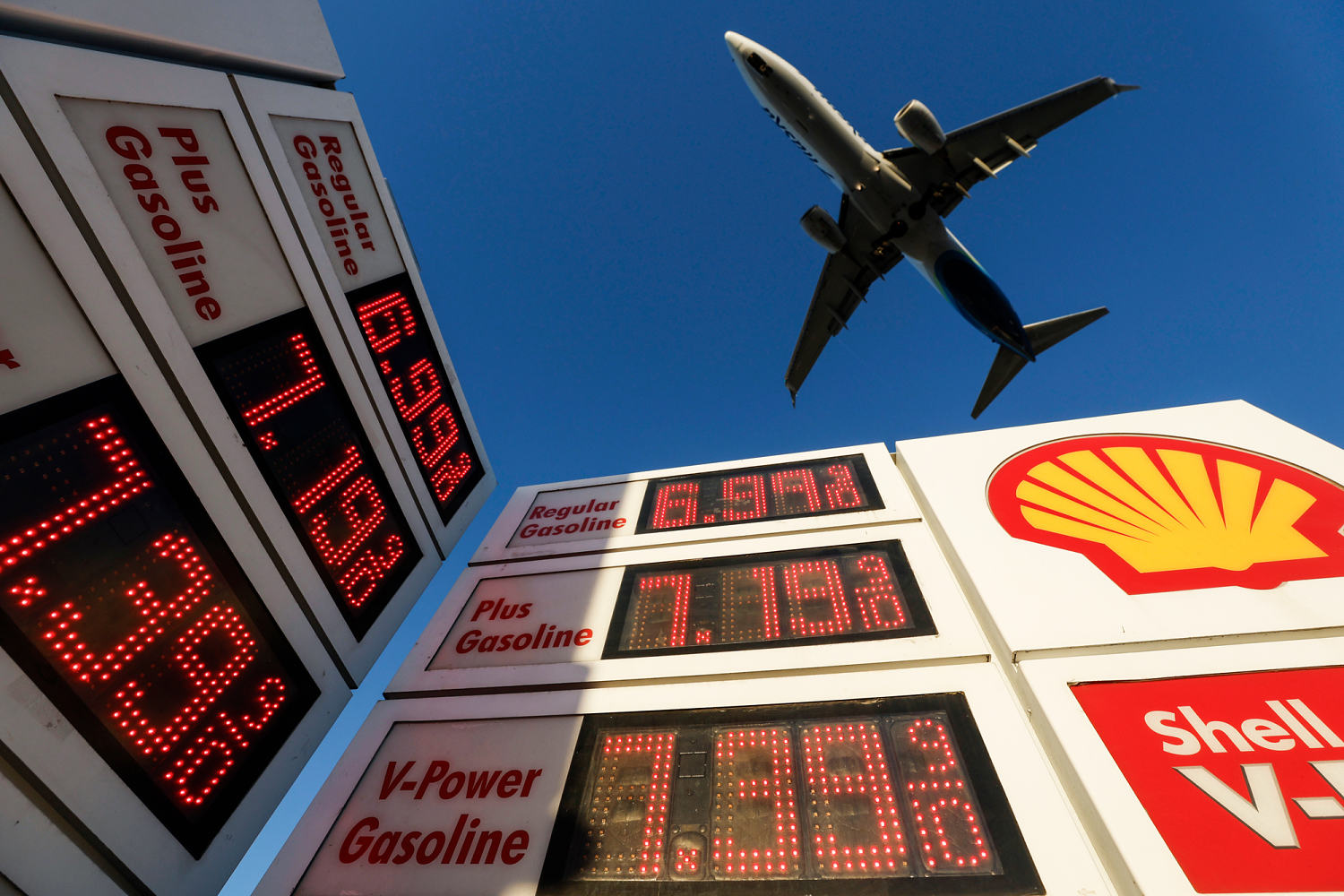
Watch the numbers spin at the pump and you can feel inflation happening in real time. No spreadsheet required. When gasoline and diesel jump, almost everything else starts creeping up behind them, which is why fuel inflation hits household budgets harder than almost any other price shift.
Here is what trips people up right away. They look at a spike at the station and assume oil barons or greedy retailers flipped a switch overnight. Honestly, it's rarely that simple, and blaming just one villain misses how energy prices actually ripple through an economy. For a deeper dive into similar topics, we suggest: this related article.
Fuel isn't just something you buy before a road trip. It's an input cost baked into freight trucking, rail shipping, air cargo, farm equipment, fertilizer production, and factory power. When fuel costs climb, the cost of moving goods from point A to point B climbs with it, and businesses eventually pass part of that bill onto shoppers buying groceries, building materials, or everyday clothes.
How Fuel Inflation Really Starts
Crude oil gets the headlines, yet crude is only step one. Raw oil has to be extracted, piped or shipped across oceans, refined into gasoline or diesel, blended with seasonal additives, taxed, and trucked to local stations before you ever squeeze the nozzle. For broader context on this development, detailed reporting can also be found at Financial Times.
Bottlenecks happen at every single link in that chain. A refinery outage in a key region can tighten regional fuel supplies even when global crude prices look calm on paper. Weather events, scheduled maintenance, pipeline constraints, and geopolitical tensions can all choke supply or reroute tankers, adding cost and time along the way.
Supply cuts from major producers matter too, of course. When exporting nations restrict output or demand rebounds faster than supply can catch up, prices tighten quickly. Still, I've seen plenty of moments where crude dipped slightly while pump prices stayed stubbornly high because refining margins and distribution costs were doing the heavy lifting.
Why Pump Prices Ripple Into Everything Else
Economists often split inflation into headline and core measures. Energy sits right in headline inflation because fuel prices swing fast and visibly. Core inflation strips out food and energy to show underlying trends, though that separation is kinda artificial in daily life.
Think about a crate of produce or a pallet of packaged snacks. Trucks burn diesel to haul freight between distribution hubs and stores, and delivery vans burn fuel on the last mile. Even if a manufacturer absorbs a small fuel bump at first, sustained higher freight rates squeeze profit margins until prices move upward on the shelf.
That's why fuel shocks feel like a tax on movement. Commuting costs rise, airfares react to jet fuel expenses, and service businesses with fleets feel the squeeze immediately. According to the U.S. Bureau of Labor Statistics, energy components are tracked directly inside consumer price indexes because households feel those shifts right away, while the U.S. Energy Information Administration tracks how crude, refining, and retail prices interact across supply chains.
Common Myths About Rising Fuel Prices
One big myth is that retail gas stations pocket huge windfalls whenever prices jump. In reality, retail fuel stations typically operate on thin per-gallon margins and face their own credit card processing fees, rent, labor, and maintenance costs. Many stations price off replacement cost rather than what they paid for the tank sitting underground yesterday, which makes prices jump fast on the way up and sometimes feel sticky on the way down.
Another myth is that energy inflation automatically means permanent, runaway inflation across the whole economy. Sometimes a fuel spike is a sharp shock that cools once supply normalizes or demand slows. Other times, higher energy costs feed into wage demands and broad business expectations, turning a temporary price jump into a longer inflationary cycle. Central banks watch that difference closely because reacting to a short-lived supply shock differently than broad demand pressure shapes interest rate decisions.
Let's be fair about one debate here too. Analysts don't always agree on how much of a retail price move comes from fundamentals versus market speculation and risk premiums. Traders price in fear of disruptions before a single barrel is lost, and while experts debate how big that speculative premium really is at any given moment, physical supply and refining capacity still set the ground rules.
What You Can Actually Do About It
You can't control global oil markets or refinery schedules, and waiting around for prices to magically drop won't fix a tight monthly budget. You can, however, cut your exposure to fuel swings and stop overpaying at the pump.
- Audit your high-mileage habits first. Combining errands into one trip, keeping tires properly inflated, and easing off aggressive highway speeds won't make you rich, yet those small adjustments trim fuel burn week after week without costing a dime.
- Stop buying fuel on autopilot. Prices can vary noticeably across neighborhoods or right off highway exits, so checking local station prices before filling up and using a straightforward fuel rewards card you already pay off in full can shave real money off recurring fill-ups.
- Factor energy costs into bigger purchases. If you're shopping for a car, planning a long commute, or budgeting for a business fleet, look past the sticker price and test how higher fuel or electricity costs would feel under a stress-test scenario.
- Watch freight and utility bills for second-wave effects. Higher energy costs show up later in shipping fees, utility bills, and everyday goods, so building a small buffer into variable spending categories keeps a fuel spike from knocking your whole budget sideways.