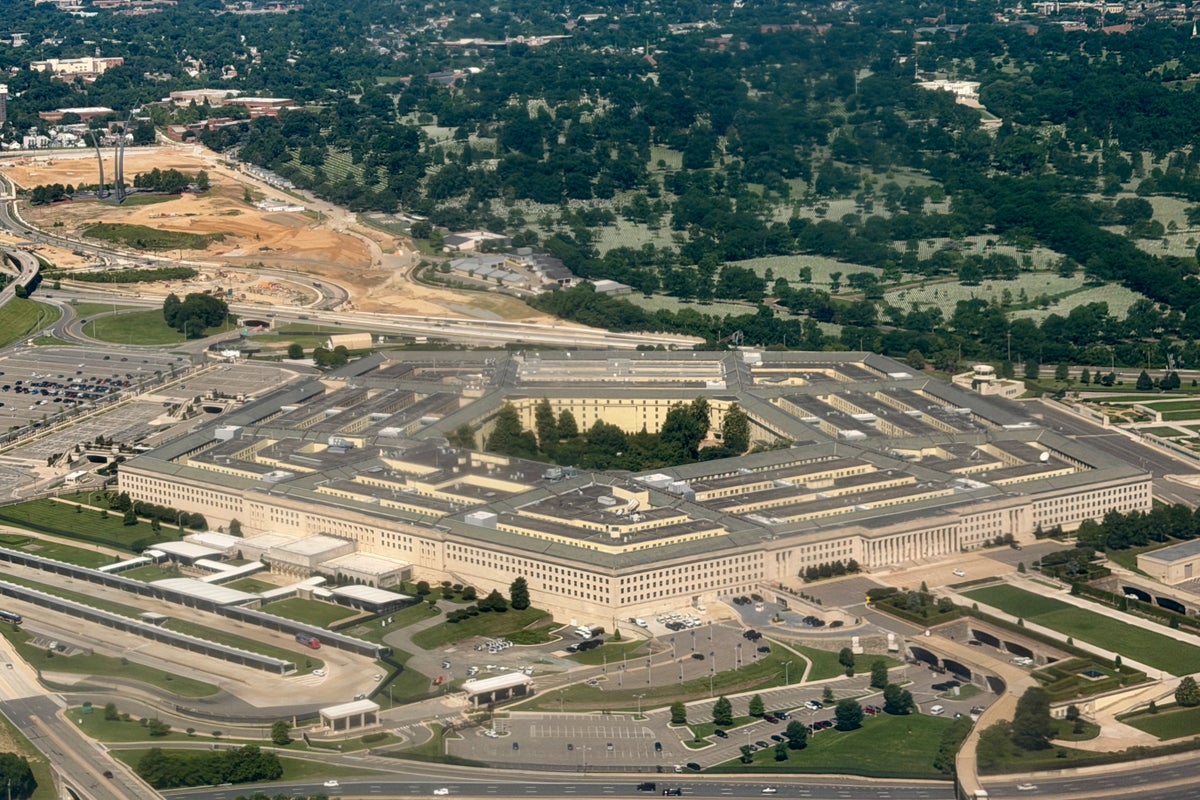
A malfunctioning sensor just paralyzed the nerve center of American military power. On Thursday, June 11, 2026, a routine morning at the Pentagon shattered when automated air monitoring systems flagged a potential biological threat. Within minutes, multiple floors and corridors were thrust into a strict lockdown, emergency responders donned heavy chemical-resistant gear, and partial evacuations began.
The culprit? A faulty sensor that mistakenly detected anthrax.
While Pentagon chief spokesperson Sean Parnell quickly issued an all-clear notice after secondary testing came up negative, the incident exposed a massive vulnerability. It shows how easily automated safety systems can trigger widespread panic and operational paralysis at the highest levels of national security.
Inside the Lockdown How the Scare Unfolded
The chaos began in the morning when the building’s specialized air quality monitoring systems triggered an alert in a specific section of the massive five-sided complex. Security personnel immediately enacted standard protection protocols. A message flashed across internal monitors advising staff that an air quality issue required immediate evaluation and that additional testing would take one to two hours.
The response was intense. Security locked down floors two through five within corridors four through seven. In other parts of the complex, officials ordered employees to evacuate immediately.
"The Department is executing standard protection protocols, including a shelter-in-place order for the affected area," Parnell stated during the height of the crisis.
Outside the building, the Arlington County Fire Department rushed its specialized Hazardous Materials Team to the scene to support the Pentagon Force Protection Agency. Inside, civilian and military employees watched as police officers patrolled the sealed corridors wearing gas masks and full chemical protective suits.
The sight naturally fueled immediate anxiety. Sources later confirmed the panic stemmed from the internal sensor specifically indicating the presence of anthrax, a biological agent that the Department of Defense treats with maximum severity.
The Geopolitical Pressure Cooker Behind the Panic
Context matters. A false alarm inside an office building is an inconvenience. A false alarm inside the Pentagon during a period of heightened geopolitical instability is a flashing red light.
This scare occurred on the exact same day that global tensions reached a boiling point. The United States has been navigating severe security friction, particularly involving ongoing conflict with Iran and regional proxy warfare that has already claimed American military lives in the Middle East. Diplomatic facilities worldwide were already operating under high-alert warnings.
When an anthrax alarm goes off in that kind of environment, nobody treats it as a glitch. The immediate assumption leans toward state-sponsored sabotage or asymmetrical warfare. The rapid escalation to gas masks and floor lockdowns shows how thin the line is between normal operations and wartime footing.
The Cost of Automated Safety
The Pentagon relies on a network of automated sensors designed to detect chemical, biological, radiological, and nuclear threats. These systems are incredibly sensitive. They have to be. The building houses roughly 30,000 military and civilian personnel daily, making it a prime target for high-impact terrorism.
But high sensitivity introduces a major engineering flaw: the high probability of false positives.
When a sensor fails or misinterprets dust, humidity, or a chemical cleaning agent as a lethal pathogen, the automated playbook takes over. Human judgment gets sidelined until the automated protocols run their course. For nearly two hours, a significant portion of the defense headquarters stood frozen, distracted from global monitoring duties to manage an internal phantom threat.
This creates a dangerous paradox. The very systems built to protect the workforce can be weaponized by accident, creating artificial blind spots and operational friction.
What Happens Next for Pentagon Security
The lockdown ended around 1:30 p.m. once secondary manual testing proved the air was entirely safe. Normal operations resumed, but the investigation into the glitch is just beginning. Moving forward, the Pentagon face two immediate infrastructure challenges.
First, technicians must isolate the specific hardware failure within the sensor network to understand why it misidentified anthrax. System calibration will need an overhaul to reduce false positives without compromising detection speed.
Second, defense officials will review the communication flow. While the physical response was swift, the internal messaging left thousands of employees in the dark, watching masked guards clear hallways without knowing if they were facing a live bioweapon attack. Expect the Department of Defense to update its crisis communication protocols to manage internal panic better during future system anomalies.