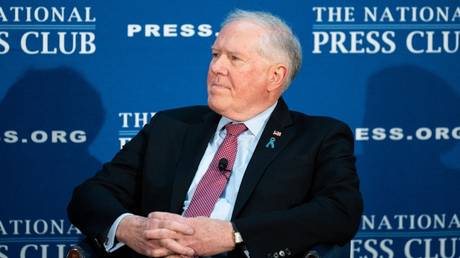
Information control inside the defense apparatus just reached a boiling point. The Pentagon stripped former Air Force Secretary Frank Kendall of his security clearance and barred him from holding any sensitive position. The accusation? Disclosing classified details regarding Air Force One capabilities to the media.
If you've been following national security news, you know this didn't happen in a vacuum. It stems from intense media scrutiny last month over a new, Qatari-gifted aircraft intended for presidential travel. When details leaked about what security features were missing or modified, the defense establishment launched a aggressive counter-offensive.
Let's break down what actually happened, why the government reacted so violently, and what this means for former officials who think they can talk freely once they leave office.
The Air Force One Controversy That Triggered the Crackdown
Everything started when reports surfaced detailing security vulnerabilities on the newly converted Qatari-gifted aircraft. The plane underwent a massive retrofit, but analysts and former insiders pointed out that it lacked critical antimissile systems and standard structural modifications found on traditional presidential jets.
Frank Kendall, who served under President Joe Biden, spoke openly about these shortcomings. He told reporters that standard upgrade timelines couldn't possibly accommodate all normal modifications in time, expressing surprise that the plane was utilized internationally under high-threat conditions.
The Pentagon didn't view this as routine commentary. Chief Pentagon spokesman Sean Parnell announced that Kendall's access to classified information was revoked immediately, citing a non-negotiable duty to safeguard state secrets.
Kendall pushed back hard, telling reporters he was completely mystified by the punishment. He maintained that he was extremely careful never to reveal classified data and stood by his public comments.
The White House and Justice Department Scramble
The fallout went way beyond administrative penalties. The Justice Department previously subpoenaed journalists to uncover sources behind the leaks, sparking massive pushback regarding press freedoms before those subpoenas were eventually dropped following judicial criticism. Meanwhile, top administration aides helped orchestrate an internal White House investigation where officials were reportedly asked to turn over personal phones.
This aggressive posture highlights a zero-tolerance policy toward unauthorized disclosures. Past administrations routinely stripped clearances for political reasons or major breaches, but targeting a former service secretary over media commentary about a transport aircraft signals a new tier of hostility.
Defense Secretary Pete Hegseth's administration has shown a clear pattern of stripping protections from high-ranking military and civilian leaders. From high-profile firings to clearance revocations, the message to current and former personnel is unmistakable. If you talk to journalists about operational vulnerabilities, expect severe professional consequences.
What This Means for Government Accountability and Free Speech
You might wonder where the line sits between whistleblowing, public oversight, and illegal leaks. That line is getting blurrier by the day.
When high-ranking officials leave government, they retain specialized knowledge about military shortcomings, procurement failures, and strategic risks. Taxpayers rely on transparency to understand how defense dollars are spent and whether executive transport meets safety standards.
On the other hand, the Pentagon argues that discussing aircraft capabilities—even structural modifications or defensive gaps—hands valuable intelligence to foreign adversaries like Iran. In an era where security threats dictate daily operations, defense officials treat any public admission of vulnerability as a direct threat to national safety.
If you work in defense or policy, the takeaway is simple. The rules governing post-service commentary have tightened dramatically. Gray areas no longer exist. Assuming that general public commentary is safe will get your clearance pulled overnight.
Keep a close eye on how federal agencies handle future leaks. The friction between national security secrecy and public transparency is only heating up, and the cost of speaking out has never been higher.