The modern football establishment treats player friction like an existential contagion. When FIFA slapped Leandro Paredes with a ten-match suspension and a ninety-thousand-dollar fine following the chaotic fallout of the World Cup final against Spain, the mainstream sports media nodded in synchronized approval. They called it justice. They called it a necessary deterrent against violence.
They are entirely wrong.
This isn't about protecting players or upholding the integrity of the sport. It is a calculated bureaucratic sanitization of football's rawest emotional pulse. I have spent years analyzing disciplinary frameworks across major leagues, and every time an organization drops a hammer of this magnitude for post-match venting, they are simply punishing athletes for caring too much in an era engineered for corporate sterility.
Let's look at the baseline facts everyone is ignoring. The incident in question occurred after the final whistle blew in East Rutherford. We are talking about a thermal spike of adrenaline after a grueling, extra-time defeat on the biggest stage on earth. Paredes grabbed Eric Garcia by the throat and threw Gavi to the ground. It was aggressive, it was messy, and it was human.
For that, FIFA effectively wiped him out of international contention for a year, since the national team calendar through June 2027 comprises roughly ten fixtures. Compare this draconian sentence to historical standards. A ten-match ban used to be reserved for bite-level cannibalism or ideological symbols of hate. Grouping a post-match shoving match into the same severity tier as Luis Suarez’s dental assaults or Josip Simunic's political chants is an administrative farce.
The Architecture of Sanitized Outrage
Why did the disciplinary committee go nuclear on Paredes and fellow defender Nahuel Molina? Because modern governing bodies are terrified of unscripted passion.
Football was built in the mud, the sweat, and the unmanaged friction of men who treated a pitch like a war zone. Today’s administrators want a product that translates seamlessly into polite corporate sponsorships and family-friendly highlights packages. When players lose their composure, they break the illusion of the pristine, corporate gladiatorial arena.
Imagine a scenario where every professional sport stripped away the emotional volatility that makes competition compelling. You would be left with a series of well-rehearsed track meets. The reaction to the Argentina-Spain brawl exposes a profound hypocrisy within global soccer governance. Referees handle on-field infractions with cards; post-match scuffles belong in the realm of emotional residue, handled internally by managers or minor fines. When Zurich steps in with a year-long national team exile, they aren't managing a sport; they are managing brand perception.
The Real Cost of Corporate Compliance
The downstream effect of these mega-bans is a generation of players conditioned to act like PR consultants. Watch any modern derby. The players pull away from confrontations, check the imaginary VAR screen with their hands, and look at the referee for validation instead of standing their ground.
Paredes is an elite defensive midfielder whose entire tactical value proposition relies on crossing the line of legal aggression without tipping over into ruin. He plays on the razor's edge. Stripping him of ten matches for an after-hours street fight mentality sends a chilling message to every combative midfielder on the planet: play soft, or pay the price.
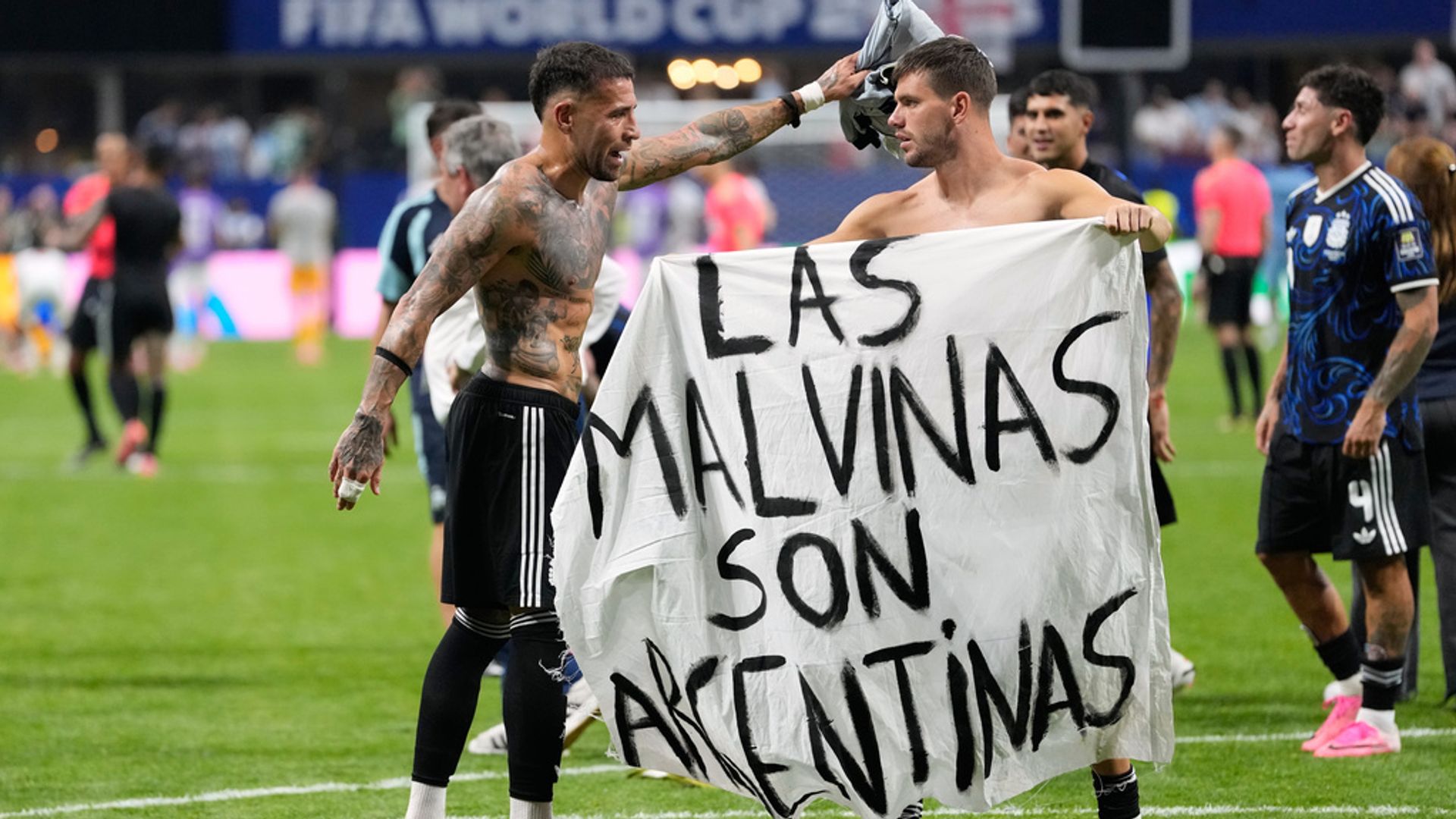
The Argentine Football Association also took a multi-hundred-thousand-dollar hit, bundled with stadium capacity restrictions, for entirely separate infractions like political banners regarding the Falklands and fan chants. FIFA is bundling moral policing with competitive punishment, creating an opaque penalty matrix where the punishment scales based on how much bad PR the governing body receives on social media.
What Actually Needs to Change
If FIFA genuinely cared about player safety, they would fix the actual structural hazards of the tournament calendar—overloaded fixture lists, inadequate recovery windows, and refereeing inconsistencies that let matches boil over for one hundred and twenty minutes. Punishing a player for boiling over in the immediate aftermath of a lost final is treating a symptom while ignoring the systemic pressure cooker they built.
Stop pretending this sentence protects the game. It protects the bureaucrats. Let the players fight, let them embrace the hate, and stop turning football into a boardroom-approved ballet.