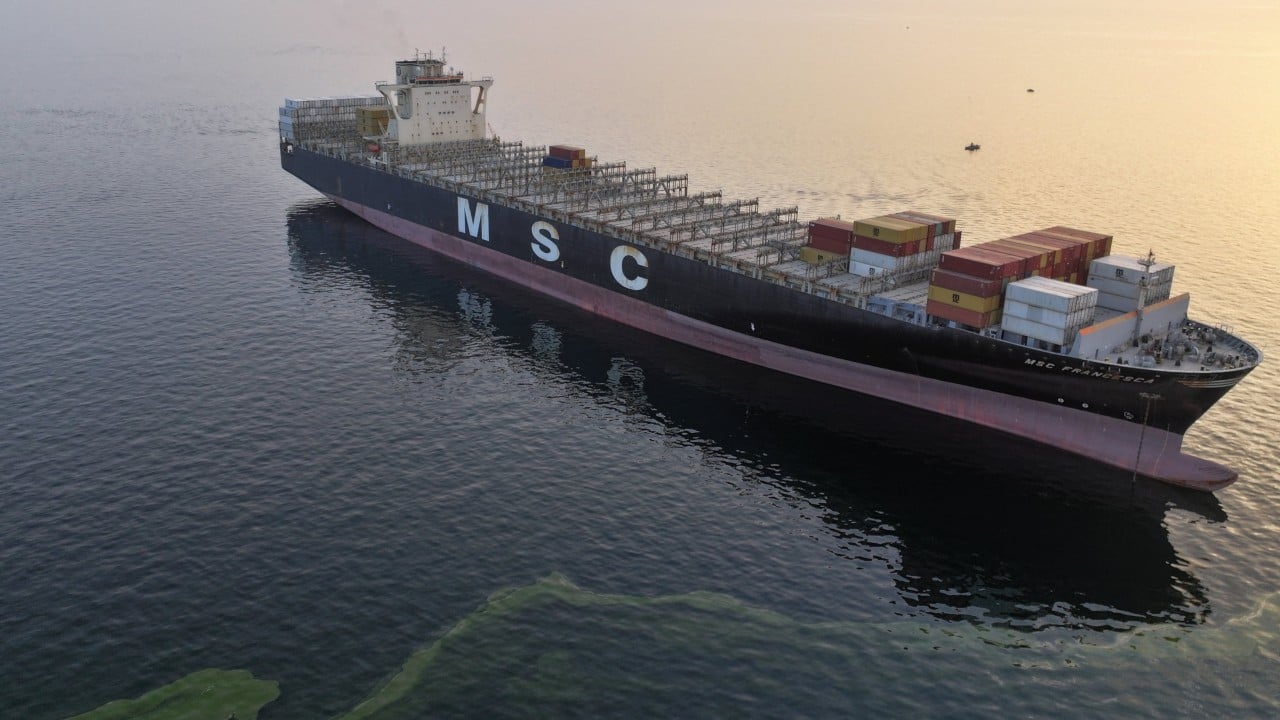
The global economy is currently gasping for air. Since the strikes began on February 28, the Strait of Hormuz has turned into a ghost town, leaving 2,000 ships stranded and oil prices screaming past $100 a barrel. Now, Iran is floating a "solution" that sounds like a compromise but looks a lot like a shakedown. They want to charge tolls—potentially over $1 million per ship—under the guise of "reconstruction" fees.
You're probably thinking that a million-dollar toll is a small price to pay to get the world's energy flowing again. It isn't. Accepting this proposal doesn't just reopen a waterway; it sets a precedent that would effectively end the era of free maritime trade. In other updates, we also covered: The Brutal Truth About Why Slingshot Rides Snap.
The reconstruction fee trap
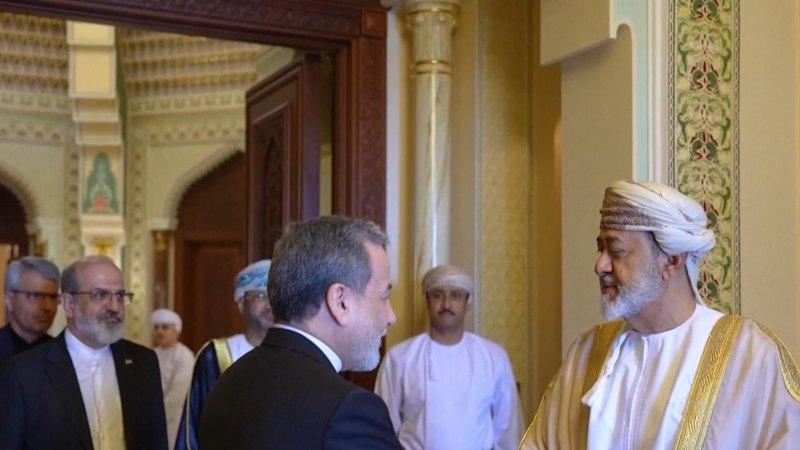
Iran’s proposal, delivered through Pakistani mediators, seeks to frame these tolls as a way to rebuild infrastructure damaged during the recent conflict. It's a clever bit of branding. Who could be against reconstruction? But look at the geography. The Strait of Hormuz isn't a canal like the Suez or Panama where a country provides a service or maintains a ditch. It’s a natural strait.
Under the 1982 United Nations Convention on the Law of the Sea (UNCLOS), ships enjoy the right of transit passage. This means they move through international straits continuously and expeditiously without paying for the privilege. Iran hasn't ratified UNCLOS, but these rules are considered customary international law. By letting Tehran charge for passage, we're basically saying that any country sitting next to a narrow body of water can set up a private tollbooth whenever they feel like it. Al Jazeera has analyzed this fascinating subject in great detail.
If Iran gets away with this, what stops other nations from doing the same? Imagine paying a "security fee" to pass through the Strait of Malacca or a "maintenance tax" at Gibraltar. It's a slippery slope that ends in the balkanization of the high seas.
Why the numbers don't add up
The financial argument for paying the tolls is that the cost of the toll is cheaper than the cost of the blockade. Some analysts at the Bruegel think tank suggest that a $1 per barrel increase (the math on a $2 million toll for a 2-million-barrel tanker) is a rounding error compared to current price spikes.
That’s a dangerously narrow view. Here’s why:
- The IRGC Connection: These tolls wouldn't go into a transparent "reconstruction fund." They'd likely flow directly into the coffers of the Islamic Revolutionary Guard Corps (IRGC). You're effectively asking the global shipping industry to fund the very organization that's currently mining the strait and harassing their crews.
- The Insurance Problem: Paying a toll doesn't magically make the water safe. As long as drones and sea mines are part of the equation, insurance premiums will stay astronomical. You'd be paying the toll on top of the "war risk" premiums, not instead of them.
- The Nuclear Pivot: Iran is trying to decouple the maritime crisis from their nuclear program. Their current offer asks the U.S. to lift its counter-blockade and accept tolls while pushing nuclear talks down the road. It's a stalling tactic. They want the revenue now without giving up the leverage of their 60% enriched uranium stockpile.
This isn't just about oil
We often talk about Hormuz as an "oil chokepoint," but it's also a massive artery for liquefied natural gas (LNG) and fertilizers. The closure has already sent food prices climbing. If we legitimize Iran’s "toll" system, we aren't just fixing a temporary supply chain glitch; we're giving Tehran a permanent hand on the throat of global food and energy security.
The U.S. and its allies are currently stuck in a "dual blockade" scenario. The U.S. is blocking Iranian ports to cut off their revenue, and Iran is blocking the strait to starve the world of energy. It’s a game of chicken where the global consumer loses. But blink now, and the "temporary" reconstruction fee becomes a permanent fixture of Middle Eastern geopolitics.
How to actually move forward
The solution isn't to rebrand a bribe as a toll. We need to focus on a sequenced de-escalation that doesn't involve shredding maritime law.
- Enforce Transit Passage, Not Tolls: The international community must remain firm that the right of passage is non-negotiable. If Iran needs reconstruction aid, that should be part of a broader diplomatic package—not a per-ship fee that creates a "pay-to-play" ocean.
- Multilateral Escorts: The UK and France have discussed a defensive mission for the strait. Instead of paying Iran to stop attacking ships, we should be providing the physical security that allows commercial vessels to ignore the threats.
- Link the Issues: You can't separate the strait from the nuclear file. Iran wants the economic pressure gone. The West wants the nuclear threat gone. Trading one for the other is the only deal that actually lasts. Tolls are just a band-aid on a bullet wound.
Don't let the "reconstruction" label fool you. It’s an attempt to turn a global commons into a private revenue stream. If you care about the future of free trade, the answer to Iranian tolls has to be a hard no. We need the strait open, but we can't afford to buy it back one tanker at a time. High energy prices are painful, but the death of free navigation is a cost the world can't pay.
For now, watch the Pakistan-mediated talks closely. If the phrase "transit fee" or "service charge" starts appearing in official communiqués, know that we've already lost the argument. The next step for anyone in the shipping or energy sector is to lobby for a unified international stance that refuses to monetize the freedom of the seas. Stop looking for a quick fix and start demanding a legal one.