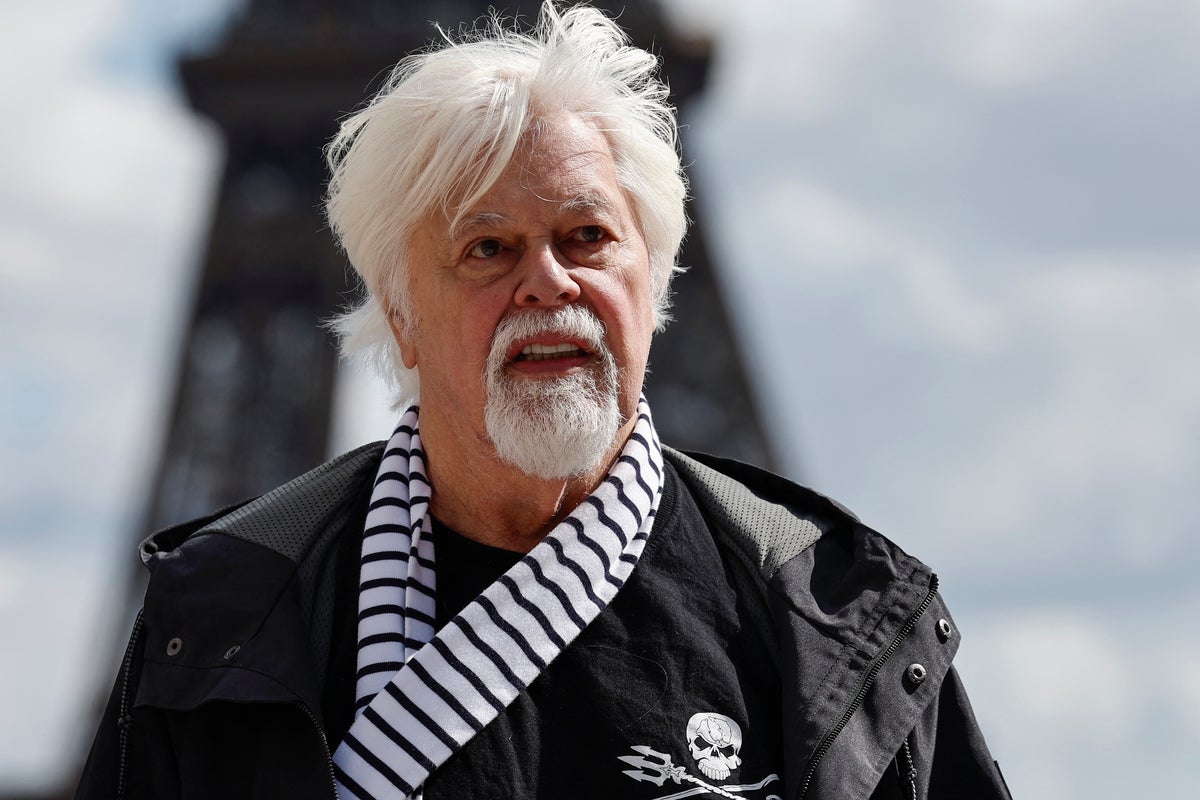
Ocean battles rarely play out cleanly. When the Paul Watson Foundation anti-whaling ship got seized and its crew detained after a whaling vessel issued a distress call, the world watched a familiar drama take a bizarre turn.
You've probably seen the headlines. Activists fighting commercial whaling suddenly found themselves on the wrong side of law enforcement. But what actually happened out there on the water? Let's break it down. In related developments, we also covered: Why Indian American Voters Are Turning Back to Democrats Right Now.
The Incident That Triggered the Chaos
High-stakes confrontations on the ocean always carry massive risks. The clash involving the Captain Paul Watson Foundation didn't happen in a vacuum. Whaling fleets and conservationists have played cat-and-mouse games for decades.
This time, a distress call changed everything. USA Today has also covered this fascinating topic in great detail.
When a commercial whaling vessel signals for help, maritime law dictates a swift response. Authorities stepped in. The anti-whaling ship was intercepted, seized, and the crew faced detention. It's a logistical nightmare for environmental groups who rely on momentum and public sympathy to keep their campaigns funded.
Let's look at the mechanics of what went wrong.
How Maritime Distress Calls Work
Maritime protocols don't care about your political stance. If a ship sends out an SOS, nearby vessels and authorities must react.
- The Distress Signal: Triggered when a ship faces immediate danger.
- The Mandatory Response: Coast guards and local maritime authorities mobilize instantly.
- The Legal Fallout: Interceptions during emergency operations often lead to tangled jurisdictional battles.
When the whaling vessel called for help, it flipped the narrative. Activists who usually position themselves as the underdogs suddenly found themselves accused of interfering with emergency situations.
The Legal Minefield of International Waters
You can't just sail into remote seas and enforce your own rules. Plenty of people misunderstand international maritime law. They think the oceans are a free-for-all where anyone can stop illegal fishing or whaling.
That is completely false.
Jurisdiction is a massive headache. Flag states, port states, and coastal states all claim different slices of authority. When an activist vessel operates thousands of miles from home, it lives in a legal gray area.
[Activists Deploy] ---> [High Seas Confrontation] ---> [Distress Call Issued] ---> [Authorities Intervene]
Governments often protect commercial industries, even controversial ones like whaling, because of domestic economic pressure and international treaties. When conservation ships cross the line into physical intervention, states respond with the full weight of maritime law.
What Most People Get Wrong About Anti-Whaling Tactics
Direct action makes for great television. It gets clicks, donations, and viral social media moments. But reality is far messier.
Ramming ships, deploying smoke bombs, and blocking harpoons sound heroic. They also hand legal ammunition to your opponents on a silver platter.
The Cost of Confrontation
- Escalation: Violence or perceived aggression invites heavy-handed crackdowns.
- Public Relations: When a whaling ship plays the victim via a distress call, public sentiment shifts instantly.
- Financial Drain: Seized ships cost millions to retrieve through foreign courts.
Captain Paul Watson built his reputation on aggressive interference. But as this recent seizure proves, the strategy has a hard ceiling. Governments are getting better at closing legal loopholes. They are treating environmental activism less like civil disobedience and more like maritime piracy.
Where the Movement Goes From Here
If you care about marine conservation, this arrest should make you think twice about cheering for spectacle over strategy. Shouting matches on the high seas feel good in the moment. Do they actually save whales?
Data shows that commercial whaling numbers depend heavily on market demand and political shifts in whaling nations like Japan, Norway, and Iceland. Chasing ships around the freezing ocean makes for a thrilling documentary. Changing domestic laws and trade policies inside those countries yields actual results.
The detention of this crew sends a chilling message to anyone willing to put a hull in the way of a harpoon. The era of unchecked high seas vigilantism is closing fast. Governments are drawing lines in the water, and they're enforcing them with steel.
Keep your eyes on the courts. That is where this battle will actually be decided.