The Smell of Burning Resin
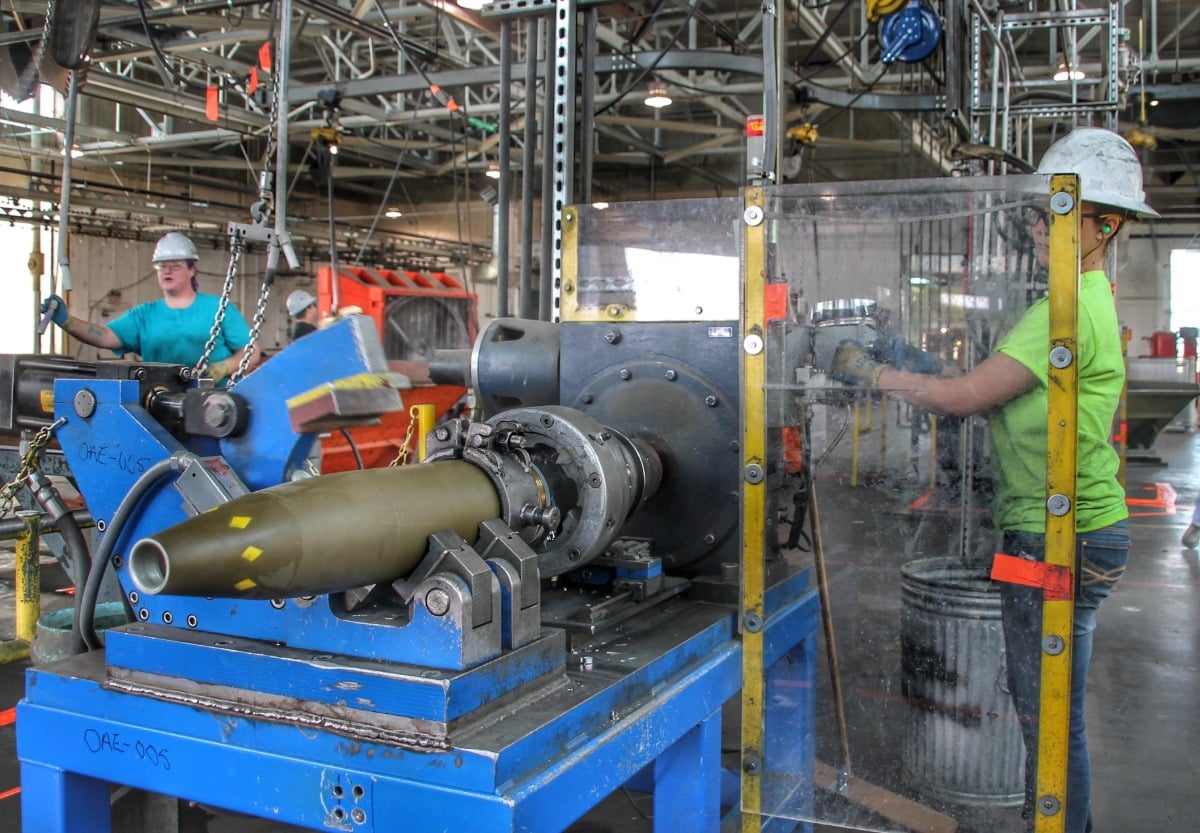
Walk onto the floor of an electric vehicle assembly plant in Hefei, in China's Anhui province, and the first thing that hits you is the scent. It is a sharp, metallic tang of ionized air mixed with the faint, sweet smell of curing polymer resin. It smells like the future being stamped out of sheet metal at three-second intervals.
Thousands of miles away, in the gray, limestone corridors of the European Quarter in Brussels, the air smells different. It smells of polished wood, espresso, and crisp bonded paper.
These two distinct worlds are currently locked in a economic standoff. The European Union has threatened a sweeping trade war, levying heavy tariffs on Chinese electric vehicles to protect its historic automotive empire. The move is painted in press releases as a bold defense of Western industry.
It is a fantasy.
When you look past the political theater and examine the cold machinery of global supply chains, the European strategy reveals itself not as a shield, but as a tragic farce. It is a paper fortress built to stop a tidal wave. To understand why, you have to look at the people who actually turn the wrenches and sign the paychecks.
The Engineer and the Bureaucrat
Consider Chen. He is a thirty-four-year-old battery integration engineer working in Hefei. Chen does not think about geopolitical dominance when he wakes up at six in the morning. He thinks about millimeters. Specifically, he thinks about how to shave three millimeters of thickness off a lithium iron phosphate battery pack to increase the cabin space of a mid-sized family sedan.
Chen’s employer is part of a massive, hyper-localized ecosystem. When Chen needs a modified casing prototype, he calls a supplier located three blocks away. The prototype arrives on his desk before lunch. This is not just cheap labor; it is lightning-fast industrial metabolism. Over the past decade, China spent an estimated $29 billion in EV subsidies, building a complete, vertically integrated supply chain from raw lithium refining to final software integration.
Now look at Jean-Pierre, a mid-level strategist for a legacy German automaker in Stuttgart. Jean-Pierre is brilliant, but he is trapped in a legacy matrix. When he wants to alter a battery specification, he has to navigate a labyrinth of legacy suppliers scattered across four countries, negotiate with powerful labor unions protective of traditional combustion-engine jobs, and comply with evolving regulatory frameworks handed down from Brussels.
When Europe announces a 38% tariff on Chinese EVs, the bureaucrats believe they are buying Jean-Pierre time to catch up to Chen.
They are wrong. They are only delaying the inevitable while making their own citizens foot the bill.
The Myth of the Level Playing Field
The core argument originating from the European Commission is that China is cheating by subsidizing its domestic market, creating an unfair surplus that threatens European jobs.
But global trade is rarely a story of pure heroes and villains. It is a story of compounding efficiencies.
Europe’s automotive identity was built on the internal combustion engine. For a century, European engineering excelled at the immense complexity of pistons, transmissions, and fuel injection systems. This expertise created a massive barrier to entry.
Electric vehicles tore that barrier down. An EV is essentially a battery, a motor, and a massive amount of software. It is a rolling computer.
While European automakers were maximizing the efficiency of diesel engines in the 2010s, Chinese companies were securing mining rights for cobalt and lithium in Africa and South America. They mastered the chemistry of the cell. Today, Chinese manufacturers enjoy a cost advantage of roughly 20% to 30% over their European rivals, not simply because of government handouts, but because they own the dirt the batteries are made from.
A tariff cannot erase a ten-year head start in chemistry.
When a trade barrier is erected, the cost does not magically vanish. It shifts. If a Chinese EV that used to cost €25,000 now costs €35,000 due to tariffs, the European consumer loses a cheap green option. Meanwhile, European automakers, insulated from real competition, lose the urgent incentive to innovate.
They are being coddled into obsolescence.
The Interlocking Gears
The supreme irony of Brussels' aggressive stance is that the European automotive industry is already deeply intertwined with the very adversary it seeks to penalize.
Step inside a showroom in Munich. Look closely at a luxury German electric SUV. The badge on the hood represents over a century of Bavarian pride. But underneath the floorboards lies a battery pack manufactured by a Chinese giant like CATL. The digital dashboard runs on software optimized by teams in Shanghai.
If Europe escalates this trade dispute, China has no shortage of pressure points. It controls the global supply of rare earth elements essential for permanent magnets in EV motors. It controls the processing of graphite. A slight tightening of export quotas from Beijing could paralyze European assembly lines faster than any tariff could protect them.
Moreover, European carmakers sell millions of vehicles inside China. It is their most lucrative market. By triggering a retaliatory cycle, Europe is effectively holding a gun to its own industry's head and demanding that China surrender.
It is a bluff that Beijing can see through with ease.
The Changing Tide on the Pier
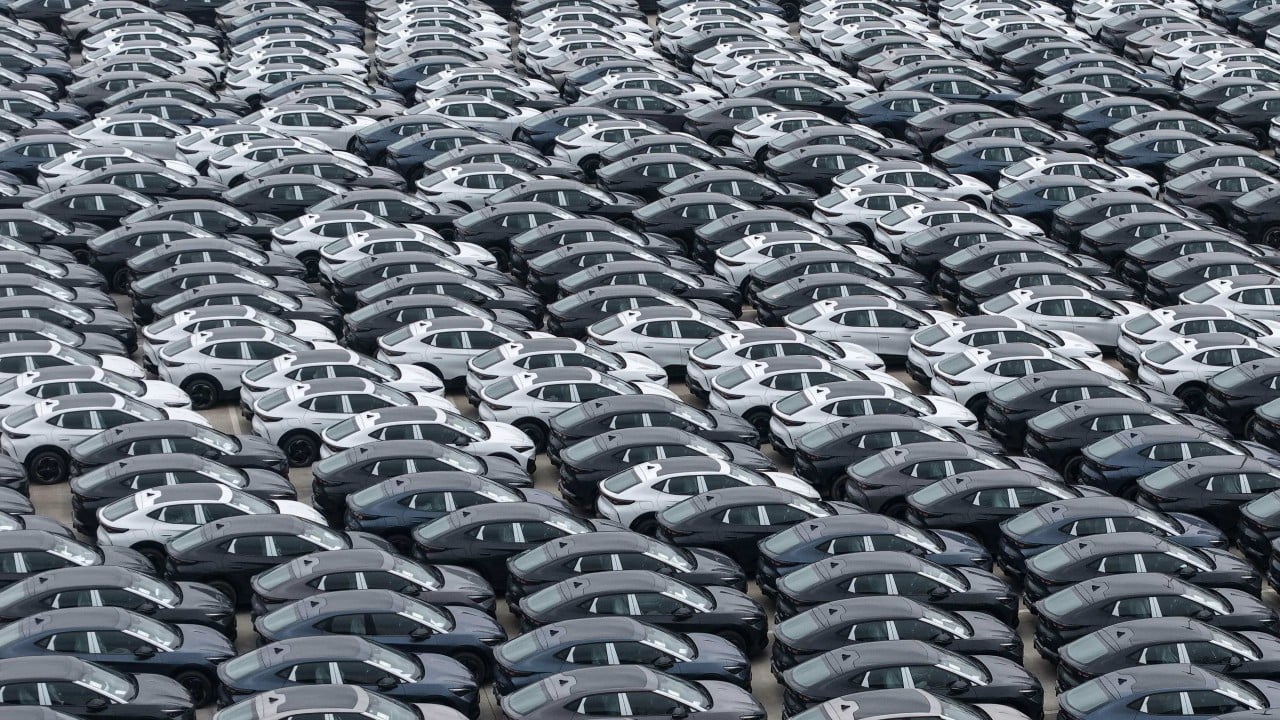
Go to the port of Rotterdam on a rainy Tuesday. Watch the massive container ships slide into the berths. You will see rows upon rows of sleek, silent vehicles being unloaded onto the docks.
Some bear unfamiliar names like BYD, NIO, or Geely. Others bear familiar Western logos but are stamped with "Made in China" plates.
The Western consumer standing on that pier does not care about geopolitical posturing. They care about their monthly budget. They see an energy transition being demanded of them by their governments, yet the same governments are making the tools of that transition artificially expensive.
The strategy is a farce because it mistakes a structural, technological shift for a mere trade dispute. You cannot tariff your way out of an industrial revolution. When steam power replaced sails, the nations that thrived were not those that taxed foreign steamships to protect their canvas weavers; they were the ones that built better engines.
The real tragedy is that Europe possesses the talent, the design heritage, and the capital to compete. But competition requires facing the cold wind of the market, not hiding behind the paper walls of protectionism.
The factory floor in Hefei keeps humming, the robots moving with terrifying, silent precision, indifferent to the speeches delivered in Brussels. The future is being assembled in real time, and it does not wait for committee approval.