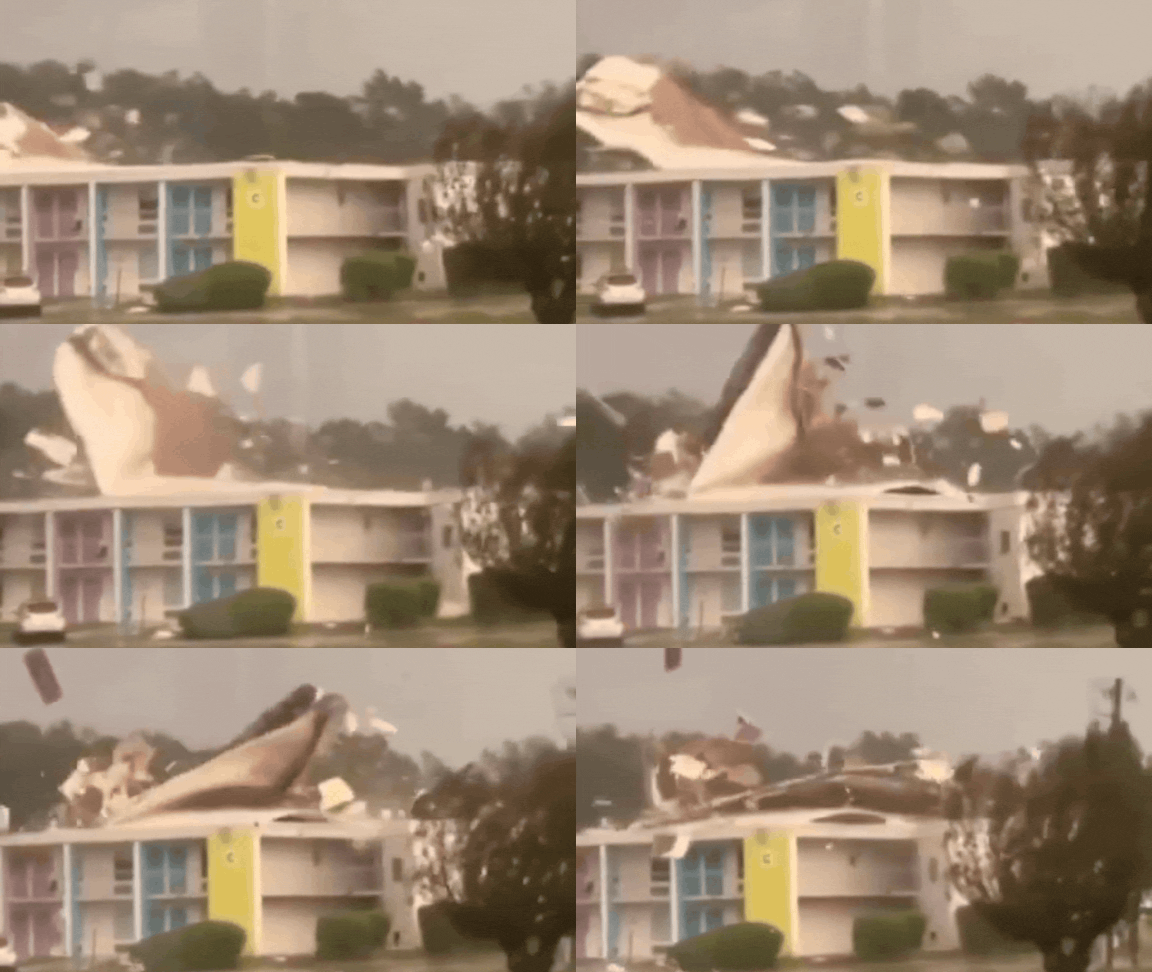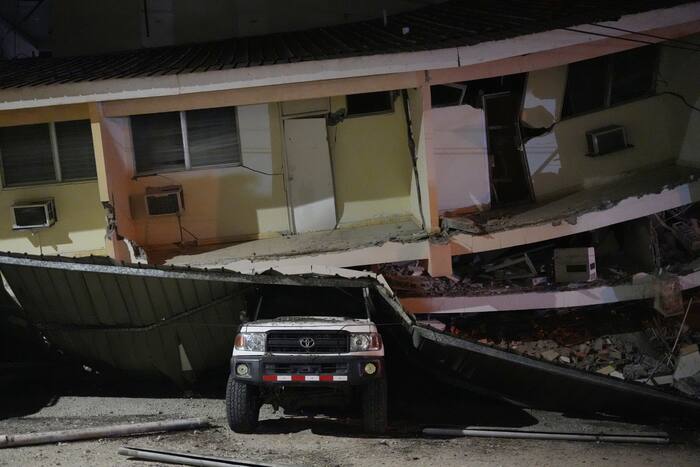
The standard disaster narrative is lazy, predictable, and fundamentally insulting to the people living through the crisis. Turn on any cable news broadcast or read the standard wire service dispatch, and you get the same worn-out script: terrified citizens forced into the asphalt night, clutching their children while infrastructure supposedly crumbles into dust. Headlines scream about panic, psychological devastation, and structural ruin.
It is a cinematic caricature that sells clicks but completely misses the mechanical reality on the ground.
When the earth shifts beneath Panama, the immediate impulse of foreign correspondents is to frame every cracked facade and sleeping body on a sidewalk as an existential breakdown of society. I have walked through post-seismic zones across Latin America while corporate media crews scrambled to find the most distressed face for their evening broadcast. The lazy consensus is simple: earthquakes equal chaos, fear equal paralysis, and official response equal failure.
Reality is far more stubborn and far less romantic.
Panamanians sleeping in the streets are not suffering from a mass psychological collapse. They are executing a calculated, rational risk assessment based on structural engineering realities that the breathless morning dispatches ignore entirely. When a magnitude hits and aftershocks rattle the foundations, staying inside a concrete-block high-rise or an aging colonial-era masonry building is an active gamble with gravity. Sidewalks are safe zones. Concrete pavements do not pancaked down onto your head when a secondary tremor hits at three in the morning.
What the media frames as panic is actually improvised urban survival engineering.
The Architecture of Fear versus the Math of Concrete
Let us look at the structural mechanics that mainstream journalism routinely glosses over. Panama
Panama Does Not Have a Seismic Crisis It Has a Housing Crisis We Refuse to Name
news
Every time the earth shakes in Central America, the media template rolls out on cue. Cameras zoom in on cracked drywall, anxious families huddled on patchworked asphalt, and panic-stricken residents sleeping on sidewalks under open air. The headlines scream about nature's fury and the sheer terror of unpredictable tectonic violence.
It makes for compelling broadcast theater. It also completely misses the point.
Panama is not suffering from a structural seismic anomaly. It is suffering from decades of municipal negligence masked as natural disaster management. When a moderate tremor sends citizens fleeing into the streets because they mistrust the structural integrity of the very walls protecting them, the problem is not the fault lines shifting beneath the crust. The problem is the concrete, the codes, and the corners cut long before the first tremor registered on a Richter scale.
I have walked through zones declared disaster areas after minor shakes, and what looks like the aftermath of an earthquake is usually just standard-issue urban decay meeting shoddy construction standards. We treat these events as acts of God when they are actually acts of municipal negligence.
The Myth of the Unpredictable Shake
Seismology is not astrology. We know precisely where the plates grind against each other. We know the recurrence intervals of fault lines running through the region. Yet every time the ground rolls, municipal officials act like the earth sprang an ambush.
The lazy consensus in disaster reporting focuses entirely on the visceral human drama of sleepless nights on sidewalks. It is easier to talk about the trauma of sleeping under the stars than to interrogate the zoning boards that approved high-density residential buildings with substandard rebar ratios. It is easier to comfort the public with platitudes about resilience than to audit the civil engineers who signed off on commercial complexes built on unstable alluvial fill.
Let us look at the data without the emotional filter. Panama sits at a complex tectonic intersection involving the Nazca, Caribbean, and Cocos plates. Tectonic adjustments happen daily. Most pass unnoticed. The ones that drive people into the streets are rarely apocalyptic cataclysms; they are moderate events magnified by poor structural engineering and a pervasive lack of enforcement in building codes.
When a magnitude 5 or 6 event triggers widespread panic and forces families out of their homes for days, the failure is engineering, not geological. A properly engineered structure does not make its occupants terrified to return inside after a standard regional jolt.
The Economics of Shoddy Concrete
Why do buildings crack like cheap pottery? Follow the money.
In rapidly developing urban centers across the region, construction velocity often supersedes structural integrity. Developers optimize for margin, rushing projects to market while exploiting loopholes in inspection oversight. Cement is watered down with unverified aggregate. Steel reinforcement is spaced wider than engineering tolerances allow.
Imagine a scenario where a municipal government actually enforced third-party structural audits with criminal liability for negligent foremen. The cost of real estate would rise. Profit margins would compress. But people would not be sleeping on asphalt every time the earth clears its throat.
Instead, the risk is externalized onto the public. Private developers pocket the margin during the boom, and the public absorbs the trauma when the earth moves. When the aftershocks rattle quake-hit towns, the television reports capture the symptoms while completely ignoring the disease. The real crisis is the systemic normalization of sub-code construction.
Dismantling the Panic Industrial Complex
Emergency response agencies love aftershocks because they justify budgets. Every time tents go up in public squares, it triggers an immediate mobilization of relief supplies, photo-ops for local politicians, and emergency declarations that bypass standard procurement laws.
This creates a perverse incentive loop. Cities invest heavily in post-disaster theater while underfunding pre-disaster enforcement. We spend millions on tarps and bottled water after the fact, but pennies on cracking down on illegal modifications to load-bearing walls before the quake hits.
Property owners regularly remove interior columns to open up retail spaces or add unauthorized upper floors to maximize rental income. These rogue modifications turn ordinary buildings into vertical traps. When a tremor hits, these are the structures that suffer progressive collapse or alarming fractures. The local population senses this danger instinctively, which is why they flee to the streets. Their fear is not irrational panic; it is a rational calculation based on knowing that their apartments were built on shortcuts.
Stop Preparing to React Start Compelling Compliance
If you want to fix the recurring trauma of Panamanians sleeping in the streets, stop talking about disaster preparedness workshops. Stop handing out emergency backpacks as if living through an earthquake were an outdoor camping trip.
The solutions are brutally unglamorous:
- Mandatory Retrofitting Audits: Force retrospective structural scans on every multi-family residential building constructed before modern seismic codes were implemented.
- Criminalize Code Violations: Treat structural negligence resulting from compromised materials not as a civil infraction, but as reckless endangerment.
- Real-Time Structural Health Monitoring: Install low-cost accelerometers in high-density urban zones to provide immediate, objective structural verdicts rather than leaving terrified residents to guess whether their walls are safe.
Stop blaming the tectonic plates. They are doing what they have done for millions of years. Start holding accountable the humans who choose to build in the path of those movements with discount materials and political impunity.
Next time the ground shakes and the media rushes to film families shivering on the pavement, remember what you are actually looking at. It is not nature's cruelty. It is a monument to what happens when we prioritize cheap speed over human safety.