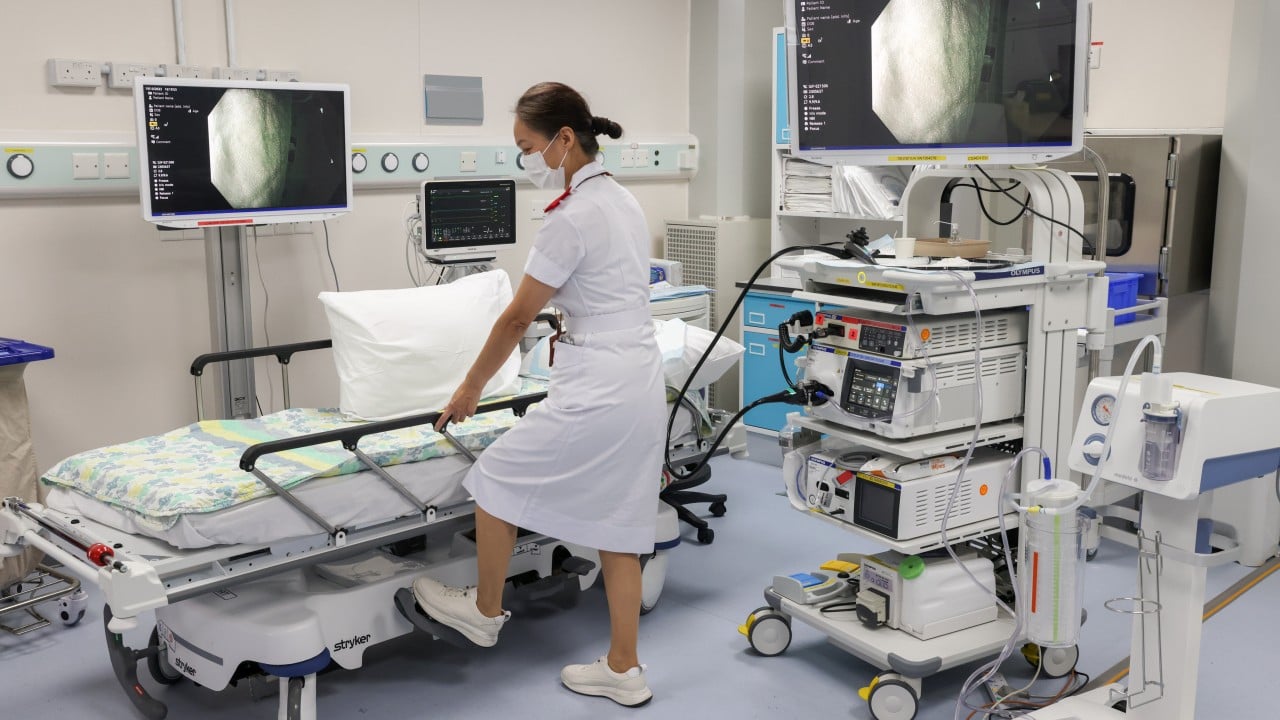
Healthcare staffing shortages spark panic faster than almost any other headline. When public officials start defending recruitment pipelines, you know local anxiety has hit a boiling point. Health authorities recently pushed back hard against claims that international applicants from China receive preferential treatment over local nursing candidates. Public trust frays quickly when employment fairness enters the chat. People want reassurance that home-grown talent gets first dibs on hospital wards.
The reality behind cross-border nursing recruitment is far messier than partisan soundbites suggest. Healthcare systems rely on foreign talent because local supply pipelines remain broken. Fixing this means looking past emotional talking points and examining how hospital boards actually fill empty shifts. Meanwhile, you can explore similar events here: Stop Celebrating Your Giant Tumor It Is Not a Miracle.
The Core Conflict Behind International Nursing Recruitment
Local nursing graduates spend years navigating intense clinical placements and grueling board exams. Seeing international professionals step directly into hospital roles naturally stings. You work sixty hours a week through your degree, only to watch a foreign-trained nurse land a position at your local clinic. That friction fuels protectionist narratives.
Health officials insist recruitment criteria remain strictly merit-based. Qualifications must match rigorous local standards before anyone sets foot on a ward. Competency assessments do not care about your passport. Hospitals evaluate clinical judgment, pharmacology knowledge, and communication skills under pressure. To understand the full picture, we recommend the excellent article by National Institutes of Health.
Yet, communication gaps persist. Clinical environments require rapid, nuanced exchanges during trauma situations. When language barriers or unfamiliar cultural norms enter the mix, patient safety concerns flare up. Critics argue that fast-tracking international onboarding bypasses critical checks. Supporters counter that desperate workforce shortages leave administrators with few alternative choices.
Why Local Pipelines Fall Short
Blaming international recruitment is easy. Fixing domestic training capacity is hard. Nursing schools turn away thousands of qualified applicants every single year due to faculty shortages and limited clinical placement sites. You cannot scale up hospital staffing if universities lack the physical space and instructors to train new students.
Burnout accelerates the drain. Experienced nurses leave public hospitals in droves for private clinics, administrative roles, or entirely different careers. The physical toll and emotional weight of modern healthcare break people down. International recruitment acts as a stopgap measure for a system bleeding permanent staff. Relying on foreign nurses fixes the immediate arithmetic of shift scheduling while ignoring the systemic rot underneath.
International recruitment requires massive logistical overhead. Credential verification, visa sponsorships, and relocation packages cost money. Hospitals would genuinely prefer hiring locally if enough qualified hands existed. Training a local nurse costs less long-term than importing one. When health chiefs authorize overseas hiring drives, it reflects desperation, not preference.
Navigating the Credential Maze
Comparing nursing credentials across international borders is an administrative nightmare. A nursing degree from Shanghai involves different clinical hours, regulatory frameworks, and patient ratios than one from Sydney or London. Regulatory bodies enforce strict equivalency testing precisely to prevent substandard care.
Critics assume foreign credentials get rubber-stamped. In practice, regulatory boards subject international applicants to punishing scrutiny. Clinical exams test practical competence in simulated environments. Language proficiency tests weed out candidates who lack fluent communication skills. Passing these hurdles takes months, often years, of personal expense and professional limbo.
Treating international nurses as charity cases or cheap labor insults their professional expertise. Many arrive with decades of specialized experience in critical care or surgical units. Dismissing their contributions alienates colleagues who rely on every available set of hands during overnight shifts.
Rebuilding Trust in Healthcare Staffing
Public anxiety will not disappear through defensive press releases. Health ministries need radical transparency regarding workforce data. Publish clear metrics showing local graduation rates alongside international recruitment figures. Let the public see the exact numbers behind hospital staffing deficits.
Investment must shift upstream toward domestic training infrastructure. Pay clinical instructors competitive wages so experienced nurses transition into teaching roles instead of fleeing the profession entirely. Expand hospital partnership programs to guarantee clinical placement spots for every domestic student who qualifies.
Stop treating international recruitment and local training as a zero-sum game. A healthy healthcare ecosystem needs both robust domestic pipelines and smooth pathways for qualified global talent. Address the root causes of staff burnout before pointing fingers at the professionals answering the call to care.