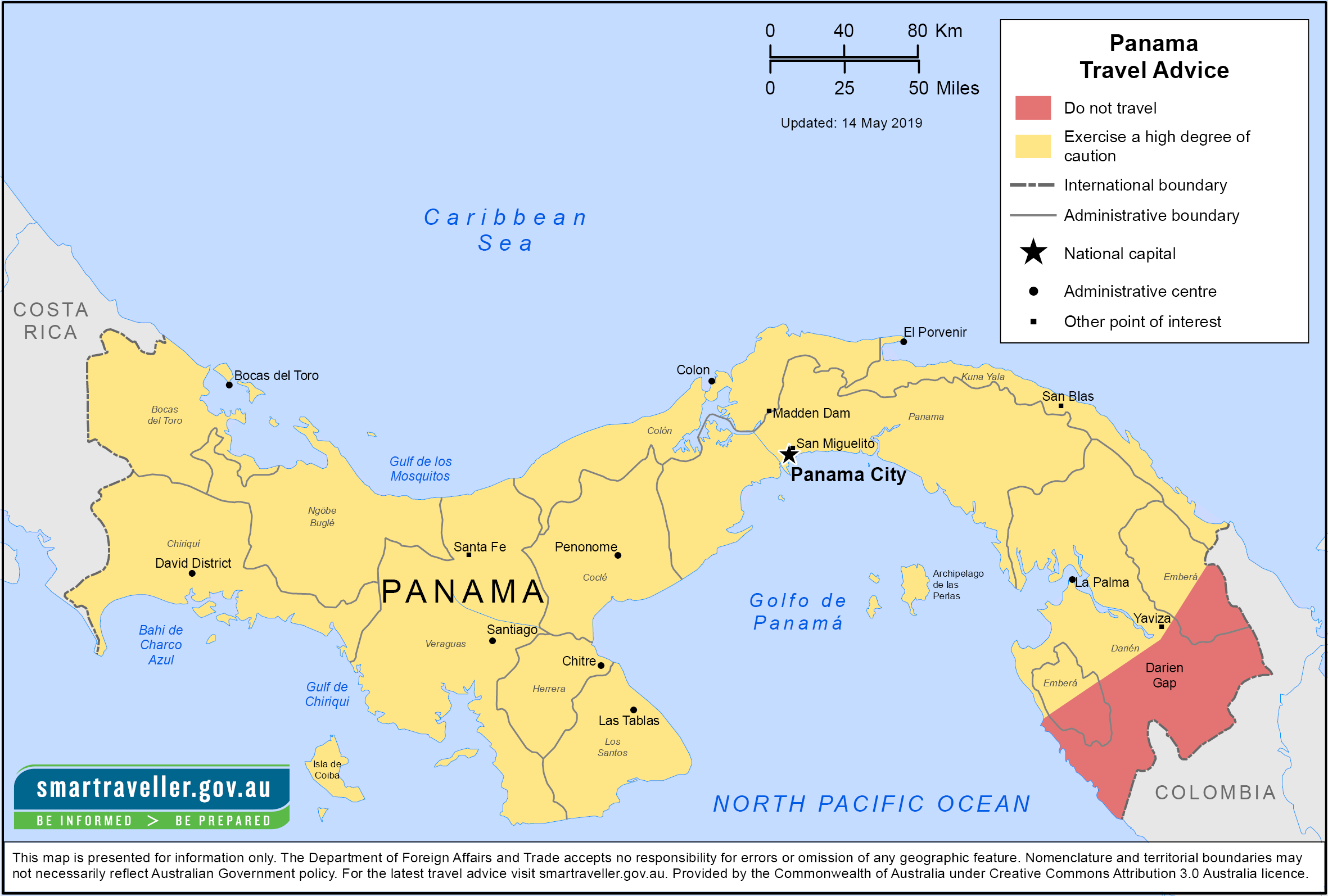
Every time a tectonic plate twitches in Central America, the global news machinery spins up its favorite horror script. A 7.7 magnitude earthquake hits off the coast of Panama, sirens wail across digital headlines, and armchair seismologists start drafting tweets about structural collapses and catastrophic ocean surges. The reflex is predictable. Fear sells clicks, and an earthquake near a major global shipping artery is catnip for modern media sensationalism.
We treat these events as moral failures of infrastructure or harbingers of apocalyptic doom. That perspective is intellectually lazy and operationally dangerous.
Panama is not a fragile house of cards waiting for the next tremor to blow it down. The country exists within one of the most intensely monitored and geologically complex convergence zones on the planet, flanked by the Nazca, Cocos, and Caribbean plates. Yet, the lazy consensus assumes that a high magnitude automatically equals catastrophic ruin. It ignores the mechanics of offshore subduction faults, focal depths, and the engineering upgrades that transformed the region over the last three decades.
Let us look past the adrenaline-soaked alert notifications and examine what actually happens when the earth moves beneath the Isthmus.
The Magnitude Obsession Is Rotting Our Risk Assessment
The media loves a big number. A 7.7 magnitude sounds like an extinction level event because public literacy around seismic measurement remains stuck in the twentieth century.
Magnitude is a logarithmic measure of total energy released at the source, not a grade of how violently the ground shakes at your front door. A massive earthquake occurring fifty kilometers beneath the ocean floor behaves entirely differently from a shallow, moderate tremor rumbling directly underneath a dense urban center. When the epicenter sits offshore, distance and water attenuate the destructive high frequency energy waves before they ever reach reinforced concrete.
Yet, every time the USGS spits out an automated preliminary magnitude, editorial rooms across the globe immediately equate that number with total devastation. This panic-first heuristic produces terrible outcomes. It floods emergency dispatch lines, disrupts supply chains unnecessarily, and misallocates disaster response capital toward phantom crises while ignoring routine structural vulnerabilities that kill people every single day.
If you want to understand earthquake risk in Panama, throw away your obsession with the Richter scale. Start looking at shear wave velocities, soil amplification maps, and local building codes.
The Canal Does Not Care About Your Tsunami Hype
Whenever an offshore quake hits the Pacific basin, the tsunami warning sirens become the star of the show. People imagine walls of water swallowing the Panama Canal, halting global trade, and stranding mega container ships in a muddy basin.
That fantasy collapses the moment you look at hydrodynamics and geography.
Tsunamis require massive, sudden vertical displacement of the water column, typically generated by shallow thrust faults in specific subduction geometries. Many regional faults strike in ways that minimize displacement toward coastal population centers. More importantly, the Panama Canal is not a flat ocean-level ditch vulnerable to a single tidal surge. It is a multi tiered series of lock systems perched eighty-five feet above sea level, fed by artificial lakes, and protected by massive concrete gate structures engineered to withstand extreme hydrodynamic pressures.
Vessels transiting the canal experience less seismic hazard during an offshore tremor than a container ship riding out a standard winter storm in the North Atlantic. The real bottleneck in maritime logistics is not tectonic instability. It is bureaucratic sluggishness, water level management during droughts, and antiquated port handling equipment.
We invent theatrical maritime catastrophes because they are easier to visualize than the boring, grinding reality of infrastructure maintenance.
The Dangerous Myth of Earthquake Proof Building Codes
On the flip side of panic is complacency, usually wrapped in corporate PR about modern engineering. Whenever a major quake strikes without flattening a city, developers rush to declare that our buildings are completely earthquake proof.
That phrase is a lie. Nothing is earthquake proof.
Civil engineers do not design buildings to survive any conceivable earthquake untouched. They design them to prevent collapse, buy time for evacuation, and absorb energy through controlled structural damage. A modern high rise in Panama City might survive a 7.7 magnitude tremor without falling over, but that does not mean it is habitable afterward. If the internal utility lines shear, the elevators warp, and the drywall shatters into dust, the building is a write off even if the steel skeleton held firm.
We trade structural survival for economic ruin, and we call it progress.
Real seismic resilience requires treating buildings as living systems, not static monuments. It means decentralizing backup power, mandating flexible utility connections, and accepting that some level of repair cost is the unavoidable tax of living on a restless tectonic plate.
Stop looking for zero damage solutions. They do not exist. Build for controlled failure and rapid recovery instead.
The Real Threat Is Bureaucratic Inertia, Not Tectonic Plates
The most vulnerable part of Panama during a major seismic event is not the ground beneath our feet or the water in the locks. It is the decision making apparatus inside government and corporate emergency response units.
When an automated alert flashes across a terminal, decision makers freeze. They run through rigid, checklist driven protocols designed by lawyers to avoid liability rather than mitigate actual harm. They issue blanket evacuations where none are needed, or they stay silent while misinformation spreads unchecked across social media networks.
True readiness is decentralized, messy, and local. It relies on neighborhood level preparedness, redundant communication channels, and individuals who know how to shut off a gas valve or administer basic first aid without waiting for a press release from a central ministry.
The next time the earth shakes, do not wait for the news to tell you how to feel. Look at your feet, check your surroundings, and remember that nature is merely following physics. The panic is entirely optional.


