You can't govern a nation of 240 million people using a map drawn up in the mid-twentieth century. Pakistan’s historic architecture rests on four massive pillars: Punjab, Sindh, Khyber Pakhtunkhwa, and Balochistan. These territories aren't just administrative boundaries; they are sprawling, unwieldy power centers. Punjab alone swallows up more than half the country's population, containing roughly 128 million residents who face crumbling infrastructure and severe bureaucratic delays.
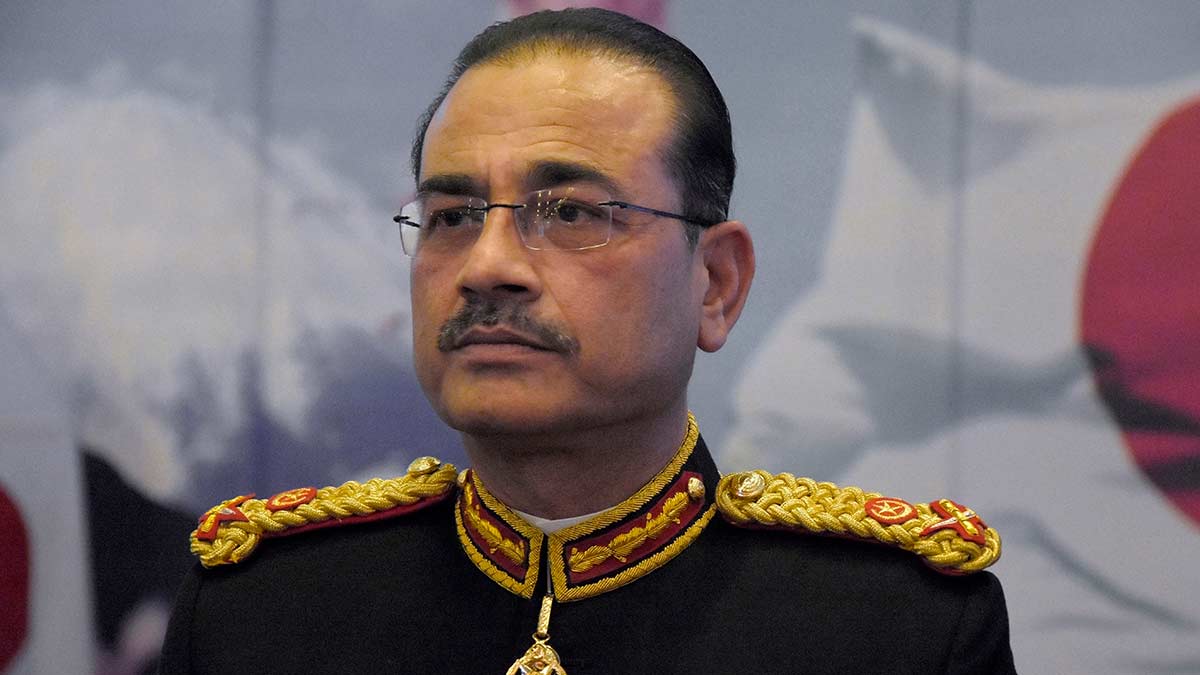
Talks have intensified around a sweeping structural proposal backed by military leadership, notably Field Marshal Asim Munir, to slice these four provinces into 12 to 15 smaller administrative units. On paper, the goal is efficiency. On the ground, it's a massive political earthquake.
The Broken Math of Mega-Provinces
Look closely at how things actually run on a daily basis. If you live in rural Punjab, getting a basic government document or tracking down clean drinking water means traveling for hours to regional hubs. The administrative machinery is simply too bloated to function.
Proponents of the subdivision model argue that smaller states bring public services closer to ordinary citizens. When a local government represents two million people instead of one hundred million, accountability changes. Tax collection becomes targeted, local infrastructure projects move faster, and resource distribution stops choking at the provincial capital.
Yet, treating public administration like corporate restructuring misses the underlying friction points. Provinces like Sindh and Punjab aren't just lines on a map; they are deeply entrenched political bastions. Punjab anchors the Pakistan Muslim League-Nawaz (PML-N), while Sindh remains the fortress of the Pakistan Peoples Party (PPP). Breaking these territories apart means fracturing the primary political counterweights that exist outside the federal apparatus.
The Strategic Power Play in Rawalpindi
Behind every administrative argument lies a raw calculation of power. Pakistan's military establishment has guided state policy directly or indirectly for decades. When federal authorities float the idea of carving up the country into fifteen pieces, critics immediately smell a classic divide-and-rule strategy.
Smaller, newly created provinces would likely lack the independent economic gravity of Punjab or Sindh. Without robust internal revenue streams, these fragmented units would rely heavily on federal funding and central administrative oversight. That financial dependency tilts the scales heavily toward General Headquarters in Rawalpindi, smoothing out regional friction and weakening organized political resistance.
When major opposition figures are sidelined and public dissent faces strict controls, any unilateral map redesign looks less like a public service reform and more like an attempt to lock in permanent central control.
Regional Resistance and Constitutional Roadblocks
You cannot simply redraw internal borders without facing fierce territorial pushback. Sindh has already pushed back hard through provincial assembly resolutions rejecting any forced division. In regions like Sindh and Balochistan, ethnic identity is intensely bound to current provincial borders.
Any aggressive push to slice up historic homelands risks igniting severe ethnic polarization. Furthermore, the constitutional hurdles are monumental. Overhauling provincial boundaries requires broad political consensus, parliamentary majorities, and complex legal amendments that coalition governments find perilous to navigate.
Ministers have hinted at timelines pointing toward the New Year or ahead of upcoming legislative cycles, but bridging the gap between federal ambition and regional survival instincts remains a steep climb. Whether this map overhaul materializes into actual administrative districts or stalls out under the weight of political defiance will define Pakistan's stability for the next generation.


