Blaming India has become Pakistan's default response to every internal crisis. The recent militant assault on the Sindh Rangers headquarters in Karachi proves the habit hasn't changed. On Saturday night, a heavily armed group rammed an explosives-laden vehicle through the gates of the paramilitary base in the Gulistan-e-Jauhar area. A fierce 90-minute gun battle followed. When the smoke cleared, multiple security personnel and attackers lay dead.
Before the initial police investigation could even wrap up, Pakistan's Interior Minister Mohsin Naqvi pointed fingers at New Delhi. He claimed the strike was the work of an "Indian proxy." No evidence was provided. It didn't take long for India's Ministry of External Affairs (MEA) to fire back with a scathing reality check.
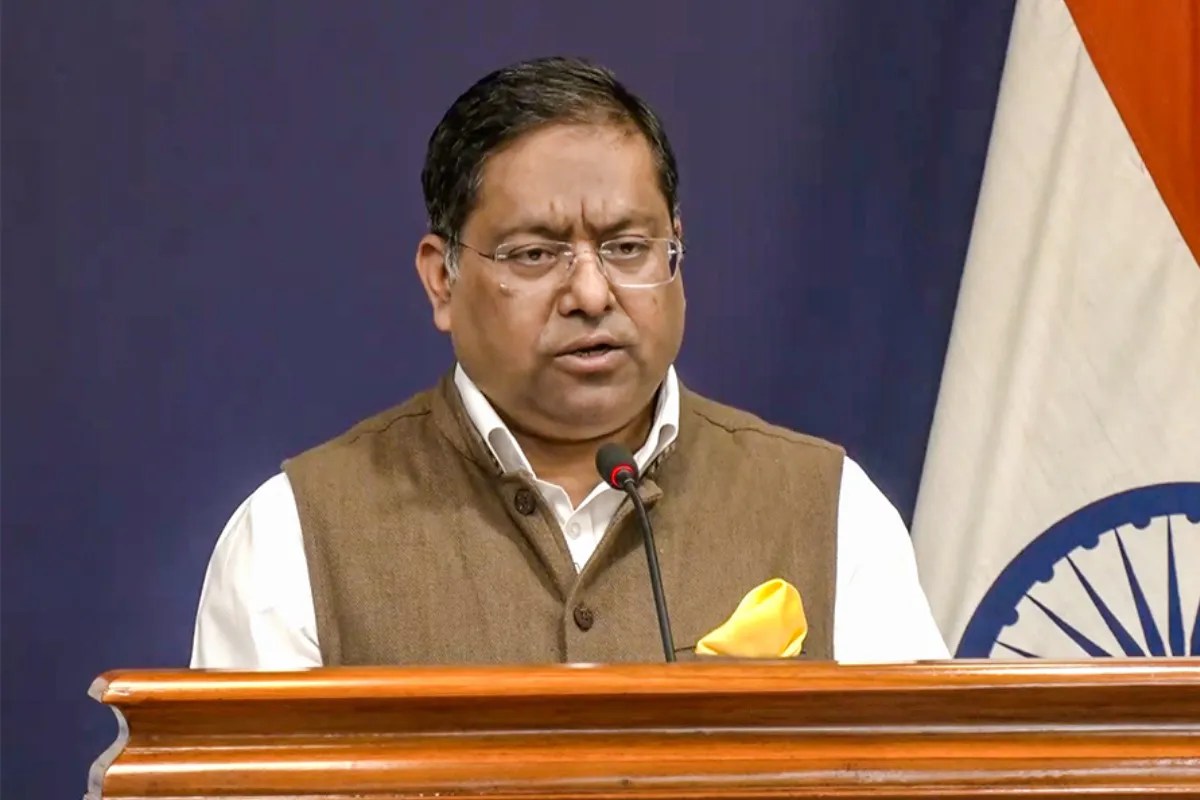
MEA spokesperson Randhir Jaiswal completely dismissed the allegations as baseless. He didn't mince words. He stated that Pakistan needs to look inward, dismantle the terrorist infrastructure thriving on its own soil, and stop relying on terrorism as an instrument of state policy.
The Anatomy of the Karachi Assault
The attack on the Bhittai Wing headquarters of the Sindh Rangers wasn't a low-level street bombing. It was a well-coordinated breach in Pakistan’s biggest city. Around 8:30 PM, militants slammed a vehicle filled with explosives straight into the main gate. The explosion triggered panic across a densely populated neighborhood surrounded by educational institutions.
Special Security Unit commandos and Anti-Terrorist Force personnel rushed to reinforce the perimeter. Local authorities confirmed that three paramilitary personnel were killed and several others suffered gunshot wounds. On the militant side, three attackers were shot dead during the gunfight. Interestingly, security forces captured a fourth attacker alive. The military later identified him as an Afghan national.
Shortly after the guns went quiet, Jamaat-ul-Ahrar claimed responsibility. They are a lethal splinter faction of the banned Tehreek-e-Taliban Pakistan (TTP), also known as the Pakistani Taliban. The group boasted that nine attackers participated in the operation, exposing massive gaps in Karachi’s urban security grid.
Why the Indian Proxy Theory Falls Completely Flat
Pakistan's quick attempt to twist a homegrown TTP problem into an Indian conspiracy lacks any logical backing. Jamaat-ul-Ahrar and the broader TTP network have been waging an open, bloody war against the Pakistani state for years. They don't need external prompting to strike targets in Karachi or Islamabad. Their stated objective is the overthrow of the political system in Pakistan.
By running to the media with unverified claims about Indian involvement, Pakistan's leadership is trying to hide its own systemic counter-terrorism failures. The presence of an Afghan national among the attackers points to a completely different geopolitical angle. It highlights the deteriorating relations between Islamabad and the Taliban regime in Kabul.
Pakistan has frequently launched airstrikes inside Afghanistan, claiming to target TTP hideouts. Kabul keeps denying these allegations, telling Pakistan to clean up its own house. Now, with the TTP hitting deep inside Sindh, blaming New Delhi is just a convenient political shield to distract an angry domestic public.
India Rejects the Blame Game
New Delhi’s response wasn't just a standard diplomatic denial. It was a direct critique of how Islamabad runs its security apparatus. The MEA statement made it clear that India won't tolerate being used as a scapegoat for Pakistan's internal security failures.
"Instead of pointing fingers at others, Pakistan would do better to look inwards, take credible action against the terror infrastructure on its territory and rid itself of its proclivity to rely on terrorism as an instrument of state policy," Randhir Jaiswal noted during his press briefing.
The phrase "instrument of state policy" gets to the heart of the conflict. For decades, global intelligence agencies have documented how Pakistan's establishment maintains a distinction between "good terrorists" and "bad terrorists." Groups that strike targets inside India or Afghanistan are often ignored, while groups that turn their guns on Pakistan are hunted down.
This double standard has backfired completely. The infrastructure built to host cross-border proxy groups is now being utilized by domestic insurgencies like the TTP. You can't breed vipers in your backyard and expect them to only bite your neighbors.
The Path Forward for Regional Stability
If Pakistan wants to secure cities like Karachi, it has to abandon its old geopolitical playbook. Denying the presence of domestic terror networks while making wild accusations against India won't stop the next suicide bomber.
- Acknowledge internal vulnerabilities: Stop treating domestic insurgencies as foreign plots. The TTP and its factions are deeply embedded within local regions.
- Dismantle the infrastructure: True security requires shutting down all active recruitment networks, funding channels, and safe houses across the country.
- Fix the borders: Instead of fighting with neighbors on both sides, Pakistan needs realistic border management and intelligence-sharing with Kabul to curb TTP movements.
New Delhi has made its stance obvious. Normal diplomatic engagement cannot happen while state-sponsored hostility continues. Until Islamabad treats terrorism as a universal threat rather than a foreign policy tool, its cities will remain vulnerable to the very forces it helped create.