The gravel driveway of a rural home in Paradise, Texas, isn’t just a path for cars. It is a boundary. It is the distance between the safety of the dinner table and the wild, unscripted world of the North Texas brush. In late November, that gravel crunches under tires dozens of times a day as the holiday rush transforms quiet county roads into a high-speed circulatory system of cardboard boxes and logistics.
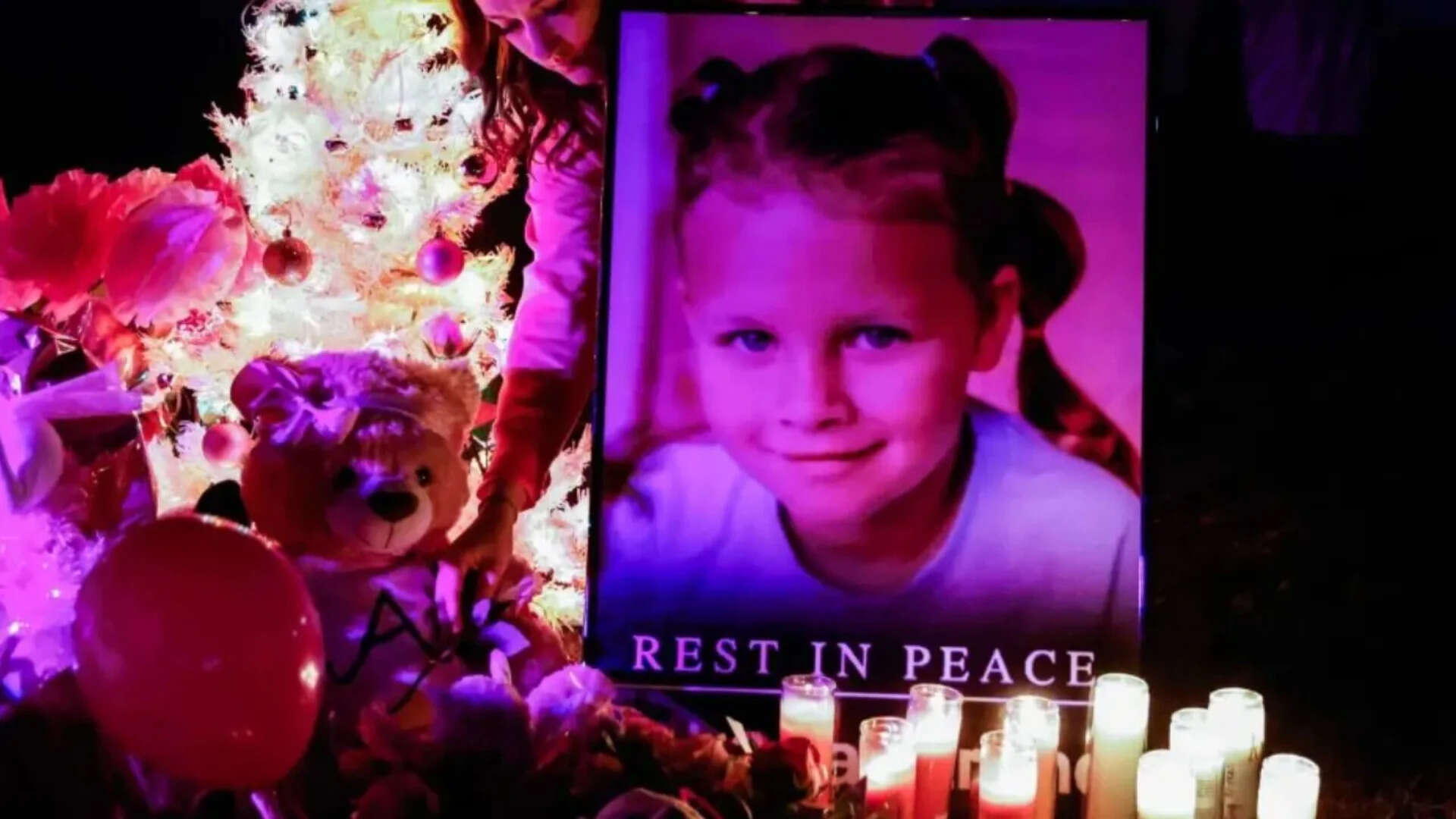
Seven-year-old Athena Strand was waiting for that magic. She was a child of bright colors and big smiles, the kind of kid who still saw the arrival of a delivery truck as a precursor to joy. She didn't see a logistics chain. She saw a gift.
On November 30, 2022, a white big-rig pulled into that space. The driver was Tanner Horner. He wasn't a monster from a folklore tale or a stranger lurking in the woods with a map and a plan. He was a contractor for FedEx. He was a man in a uniform, driving a branded vehicle, performing a task so mundane it has become the background noise of American life. He was there to deliver a box of Barbie dolls.
That box should have been a childhood memory. Instead, it became the anchor of a nightmare.
The Friction of a Moment
The horror of what happened next isn't found in a complex conspiracy. It is found in the terrifyingly thin line between a mistake and a catastrophe. Horner would later tell investigators that he accidentally backed his truck into Athena.
Panic is a cold, suffocating thing. It strips away logic. Most people, in the wake of a low-speed collision, would call for help. They would scream for the parents. They would dial 911 with shaking fingers. But Horner chose a different path. He didn't see a wounded child who needed a hospital. He saw a threat to his employment. He saw a problem that needed to be erased.
He put Athena in his van.
Consider the silence of that vehicle. It is a sterile environment, filled with the smell of new plastic and the dull rattle of sliding packages. Inside that metal shell, away from the eyes of the neighborhood and the open sky of the Texas plains, the "delivery" changed nature. Horner told police he strangled the girl because he feared she would tell her father about the accident.
He chose silence over life.
The Search for the Unthinkable
When a child vanishes, time doesn't move forward; it thickens. It becomes a physical weight. The community of Paradise didn't just sit by. Hundreds of volunteers poured out into the tall grass and the creek beds. They moved in lines, shoulders hunched against the biting cold, flashlights cutting through the dark like desperate needles.
There is a specific kind of communal grief that settles over a town when the "Missing" posters go up. It’s a mixture of frantic hope and a sickening realization that the world is smaller and more dangerous than it was yesterday. For two days, the search persisted. Dogs caught scents that led to dead ends. Helicopters circled.
While the town searched, the digital trail was cooling. In the modern age, we are tracked by pings and GPS coordinates. The very technology that allows us to see exactly where our $20 order is at 3:00 PM is the same technology that eventually cornered a killer. Investigators looked at the logs. They looked at the route. They looked at the man who was supposed to be bringing a smile to a seven-year-old’s face.
They found her body in a body of water, miles from the safety of her driveway.
The Verdict and the Void
Justice in a courtroom is often a sterile affair. It is a matter of transcripts, plea deals, and legal definitions. In early 2025, Tanner Horner stood before a judge and uttered the word "guilty." He pleaded to capital murder and aggravated kidnapping. By doing so, he traded a potential death sentence for a life behind bars without the possibility of parole.
The state of Texas accepted the plea. The legal system calls this a resolution. It avoids a long, traumatic trial for the family. It guarantees that the man who turned a delivery van into a prison will never breathe free air again.
But "guilty" is a small word for such a massive void.
In the wake of the sentencing, the focus shifts from the killer to the system that put him there. We live in an era of "frictionless" commerce. We want our goods now. We want them cheap. We want them delivered to our doors by invisible hands. To meet that demand, shipping giants rely on a sprawling web of third-party contractors. Background checks are performed, boxes are checked, and keys are handed over.
When that system fails, it doesn't just result in a lost package. It results in a shattered home. The "human element" isn't a buzzword; it is the vulnerability we all accept when we open our gates to the service economy.
The Barbie Dolls That Never Arrived
There is a detail in this story that sticks in the throat. The package Horner was delivering contained Barbie dolls. They were intended to be a gift for Athena.
Imagine that box sitting in the back of a police evidence locker. It is a mundane object, cardboard and tape, holding plastic toys meant for imagination and play. It represents the life Athena was supposed to have—a life of birthdays, school mornings, and the simple joy of unboxing a surprise.
Instead, the man carrying the gift became the thief of the future.
The story of Athena Strand isn't just a news report about a criminal sentencing. It is a haunting reminder of the fragility of the barriers we build around our loved ones. We trust the uniform. We trust the brand. We trust that the person turning into our driveway shares our basic humanity.
The gravel has long since settled in Paradise. The trucks still roll through, their engines humming as they race to meet the next deadline. But for one family, every time a white van slows down near their gate, the world stops. They aren't looking for a package. They are looking for the girl who isn't there to receive it.
The dolls remain in their plastic casing, frozen in a smile, while the man who brought them sits in a concrete cell, a permanent resident of the silence he chose to create.