The initial six days of Operation Epic Fury cost the United States more than $11.3 billion in unbudgeted expenditures. This is not a speculative figure. It is the topline provided by the Department of Defense to Congress in a classified briefing earlier this month. To put that in perspective, the first full month of the Iraq War in 2003 cost roughly $5 billion when adjusted for inflation. We are currently burning through capital at a rate that would make the architects of the "Shock and Awe" era wince.
The primary driver of this fiscal burn is not the number of troops on the ground, but the sheer cost of the munitions being dropped from the sky. Unlike the counter-insurgency battles of the last two decades, the air war over Iran is a contest against a "near-peer" adversary with sophisticated, albeit aging, integrated air defenses. To dismantle these systems, the U.S. has relied on "exquisite" munitions—weapons like the Tomahawk Land Attack Missile (TLAM) and the Joint Standoff Weapon (JSOW)—which carry price tags that resemble the MSRP of a Gulfstream jet rather than a piece of artillery.
The Munitions Trap
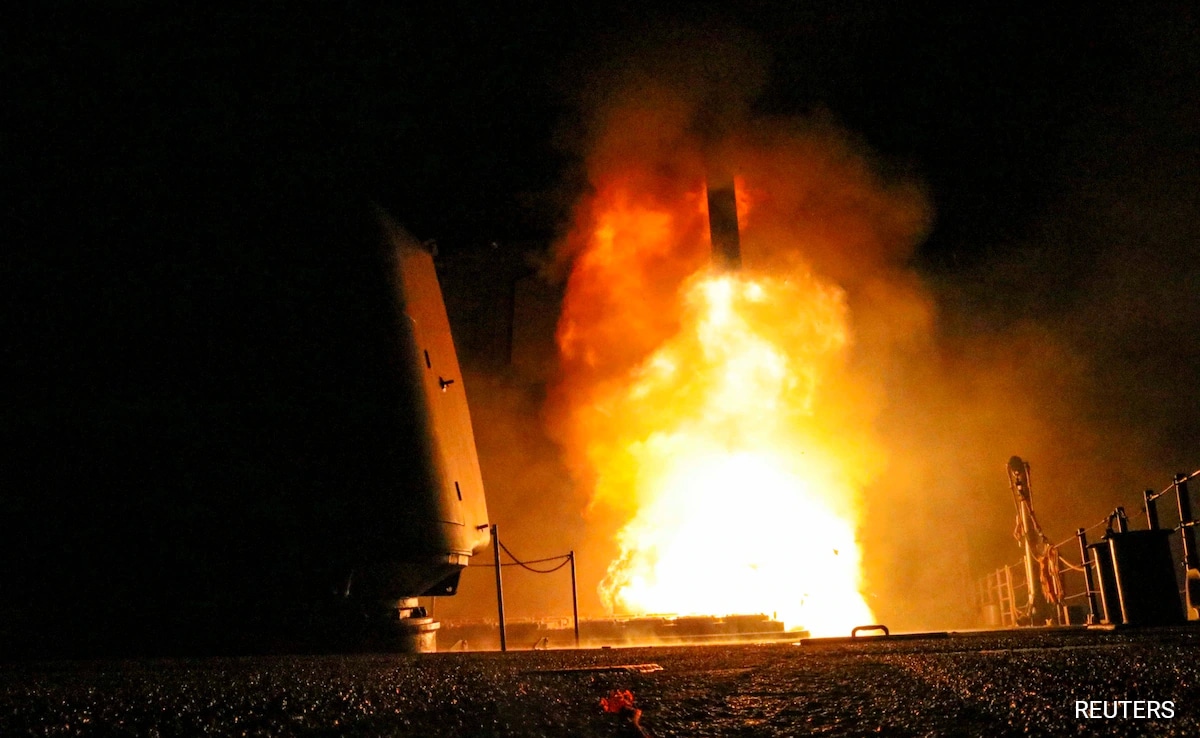
In the opening 100 hours of the campaign, U.S. forces expended an estimated 319 Tomahawk missiles. At roughly $3.5 million per unit, that single line item wiped $1.1 billion off the balance sheet before the first week was out. This is the "exquisite" munitions trap. While these weapons allow for precision strikes from hundreds of miles away, they are finite assets.
The Navy’s current inventory of Tomahawks sits at approximately 2,700 following the initial salvos. With a planned procurement of only 190 missiles for the entire 2026 fiscal year, the Pentagon is consuming its "silver bullets" at a rate that production lines cannot possibly match. This creates a strategic deficit. If a second front were to open in the Western Pacific or Eastern Europe tomorrow, the magazines would be dangerously low.
The Shift to Plentiful Ordnance
There is a silver lining for the Treasury. As Iranian air defenses are suppressed, the U.S. is shifting toward "plentiful" munitions. This is a tactical necessity driven by math.
- Tomahawk Missile: $3.5 million
- JDAM-equipped BLU-110: ~$55,000 to $100,000
Both deliver a 1,000-pound warhead. The difference is that the JDAM (Joint Direct Attack Munition) requires the aircraft to fly much closer to the target, a risk only acceptable once the threat of surface-to-air missiles (SAMs) has been neutralized. By Day 12 of the conflict, the daily cost of the war dropped from nearly $2 billion per day to roughly $500 million. This "munitions transition" is the only reason the campaign hasn't already triggered a domestic fiscal crisis.
Attrition and Infrastructure Damage
War is rarely a one-way street. While the Pentagon's $11.3 billion figure focuses on what we’ve spent, it often ignores what we’ve lost. Independent analysts from the Center for Strategic and International Studies (CSIS) estimate that equipment losses and infrastructure damage have added another **$1.7 billion** to the tab.
The losses are specific and painful:
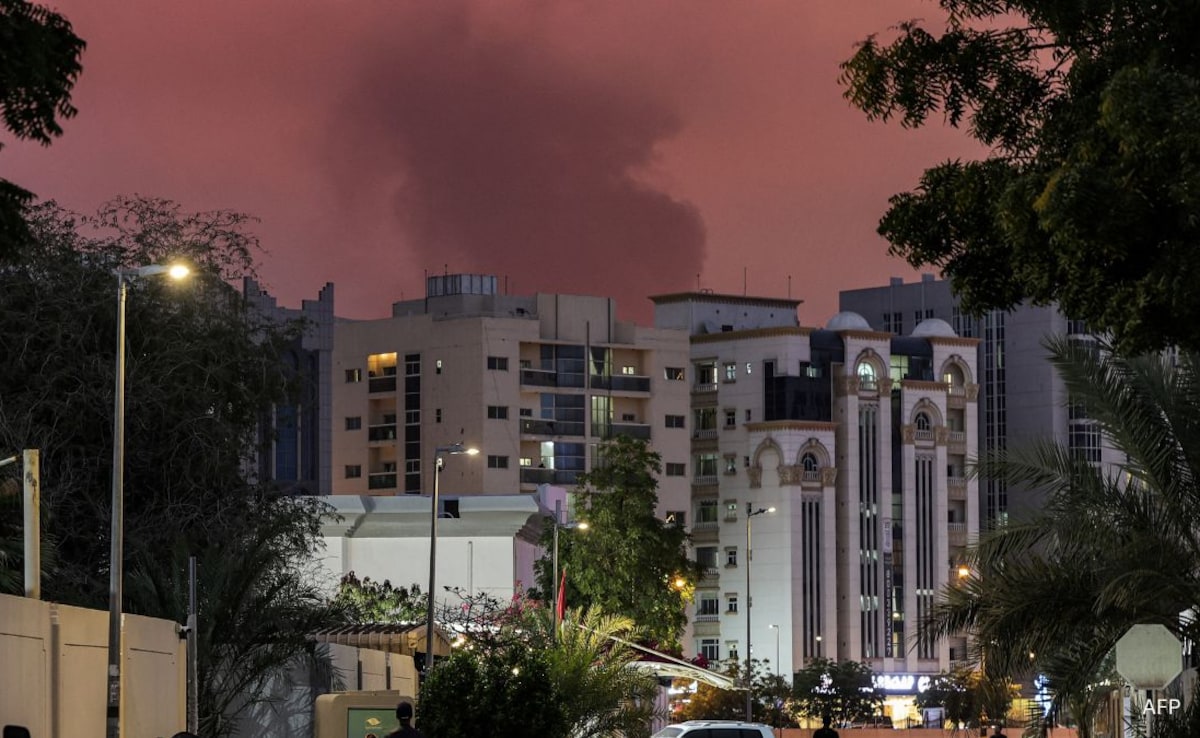
- AN/TPY-2 Radar: A single unit destroyed in Qatar costs $484 million.
- MQ-9 Reaper Drones: 11 units lost, totaling $452 million.
- F-15E Strike Eagles: 3 aircraft lost, valued at $311 million.
These are not just numbers on a spreadsheet. They represent capabilities that take years to replace. A downed F-15E isn't just a loss of $100 million in hardware; it's a loss of a high-end airframe in a fleet that is already being flown past its intended service life. The KC-135 tanker lost in the opening days further highlights the vulnerability of the "backstage" assets—the tankers and electronic warfare planes—that make the air war possible.
The Invisible Costs of Air Defense
Perhaps the most overlooked expense in the Iran campaign is the cost of staying safe. Iran’s retaliation, involving thousands of drones and ballistic missiles, has forced the U.S. to use its most expensive defensive interceptors.
A THAAD (Terminal High Altitude Area Defense) interceptor costs approximately $12.7 million. A Patriot PAC-3 missile costs about $3.7 million. When Iran launches a "swarm" of $20,000 Shahed-style drones, the economic disparity is staggering. We are using multimillion-dollar interceptors to knock down "flying lawnmowers." Even when the defense is successful, the adversary wins the economic battle of attrition. This imbalance is why the U.S. and its Gulf allies are now moving toward cheaper solutions, such as interceptor drones and directed-energy experiments, but those are not yet ready for the scale of Epic Fury.
Comparison to the Iraq Era
Critics of the current spending often point to the Iraq War as the benchmark for military "black holes." However, the nature of the spending has fundamentally changed. Iraq was a labor-intensive war. The costs were driven by hundreds of thousands of boots on the ground, fuel convoys, and "Life Support" contracts for massive bases like Camp Victory.
Operation Epic Fury is a capital-intensive war. We are using fewer people but significantly more "intelligence" per pound of explosive. An F-35A costs roughly $42,000 per flight hour to operate in 2026. An F-16, by comparison, costs about $27,000. As the Air Force moves toward an all-stealth frontline, the "base price" of just keeping planes in the air has risen by nearly 60%.
The Defense Industry Windfall
While the taxpayer feels the pinch, the defense industrial base is seeing its most significant expansion since the height of the Cold War. Companies like Raytheon and Lockheed Martin have entered into long-term agreements to double or quadruple production rates for interceptors and cruise missiles.
The 2027 defense budget is already being discussed in the halls of the White House with a target of $1.5 trillion. This would be a massive jump from the $1 trillion spent in 2026. The justification is simple: we cannot fight a high-end air war with a "just-in-time" supply chain. The Iran conflict has exposed that the U.S. military is currently configured for short, sharp shocks, not the prolonged, high-intensity munitions exchange we are seeing now.
The true price of the air war in Iran isn't just the $16.5 billion spent through Day 12. It is the cost of rebuilding a military-industrial complex that was caught unprepared for the appetite of modern, high-tech warfare.
Would you like me to analyze the specific impact of these munitions shortages on U.S. naval readiness in the Pacific?