Football games rarely turn on a 60-yard bomb or a miracle tipped pass in the corner of the end zone. Most of the time, the season shifts because a back judge reaches into his pocket three seconds after the whistle blows.
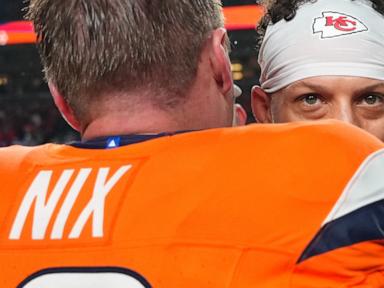
That's exactly what happened in Denver. A subtle penalty flag wiped a crucial touchdown off the board, swung momentum completely across the field, and handed the Denver Broncos sole possession of first place in the AFC West. If you blinked while grabbing a drink from the kitchen, you missed the exact moment the division hierarchy cracked open.
People love complaining about officiating after a tight divisional matchup. They point at slow-motion replays from four different camera angles and scream about ruined games. Honestly, that's missing the real point of what went down at Empower Field at Mile High. The flag didn't ruin the game—it exposed the razor-thin margin separating pretenders from actual division leaders in the NFL right now.
Why That Wiped-Out Touchdown Changed Everything
Let's look at the mechanics of what happens when six points vanish from the scoreboard. It isn't just a math problem.
When an offense celebrates a go-ahead or game-tying touchdown, adrenaline spikes across the entire sideline. Offensive linemen are already walking toward the bench. The kicking unit is jogging onto the grass. Then the referee steps into the center of the field, switches on the microphone, and announces an infraction away from the ball.
Suddenly, you aren't kicking an extra point. You're backing up ten yards and staring at a long-yardage situation against a defensive coordinator who knows you have to throw.
In Denver, that exact sequence broke the visiting offense's rhythm completely. Instead of walking away with seven points, the drive stalled out, forcing a field goal attempt that felt like a defeat before the ball even left the holder's hands. Worse yet, it gave Denver's defense a second life when they were visibly gassed.
You could see the body language change instantly. Denver's pass rushers, who had been leaning on their knees with their hands on their hips two plays earlier, suddenly stood upright. The crowd noise jumped twenty decibels. In the NFL, emotional swings carry just as much weight as scheme adjustments.
The Anatomy of a Subtle Officiating Call
Most fans only watch the football. When the quarterback drops back, 99% of eyes follow the spiral downfield toward the primary receiver.
Officials don't watch the ball. Each member of a seven-person NFL crew has a strict zone of responsibility before and after the snap. While you were watching a receiver cross the goal line, an official was watching a wideout chip a defensive back near the line of scrimmage, or an interior lineman grab a handful of jersey inside the tackle box.
What Fans Miss on Live Broadcasts
Television broadcasts do a terrible job showing the full picture during live plays. Tight camera zooms make dramatic highlights, yet they hide the exact infractions that draw flags.
- Illegal contact beyond five yards happens almost every third down, though crews only throw the flag when the defender visibly alters the receiver's route timing.
- Offensive pass interference on pick plays gets called when a receiver looks like he's intentionally setting a basketball screen rather than running an actual route.
- Holding on the backside of a play occurs far away from the ball carrier, yet it prevents a pursuing linebacker from making a tackle in the flat.
When a flag comes out late, fans immediately assume the referee guessed or caved to crowd pressure. Usually, it's just the opposite. The official waited to see if the foul actually impacted the play before reaching for the yellow cloth. Because the offense scored on the play, the foul directly created an unfair advantage, leaving the crew zero choice but to wipe the touchdown away.
How Denver Capitalized on the Reprieve
Getting a break from the officials means nothing if your team doesn't take advantage of it. Plenty of squads get a wiped-out touchdown gift-wrapped for them, only to give up a big play on the very next snap anyway.
Denver didn't blink.
Defensive Discipline Under Pressure
Once the touchdown came off the board, Denver's defensive front pinned its ears back. They knew the playbook had just shrunk for the opposing offensive coordinator. Short-yardage runs were off the table. Quick screens were risky against tight man coverage.
By forcing the offense into predictable passing downs, Denver's edge rushers collapsed the pocket without needing to send extra blitzers. That kept seven defenders dropped into coverage zones, choking off the middle of the field where quick slants and crossing routes usually thrive.
Clock Management and Field Position
The hidden value of that wiped-out score showed up on the very next possession. Instead of kicking off from the 35-yard line after a touchdown, the game state flipped entirely. Denver took over with better field position and the freedom to lean on their ground game.
Running the football in the fourth quarter at Mile High is brutal on visiting defenses. The altitude wears down heavy defensive tackles faster than people realize, especially when they've already played sixty snaps. Denver strung together methodical, chain-moving plays that bled the clock dry and kept their own defense resting comfortably on the sideline.
What Taking the AFC West Lead Actually Means
Sitting atop the AFC West is never comfortable. For years, this division has been a meat grinder where one bad Sunday drops you from first place straight into the wild-card bubble.
Taking control of the division changes how Denver approaches the rest of the schedule. You stop scoreboard-watching every Sunday afternoon. You stop worrying about tiebreakers against teams in the AFC North or AFC South. When you hold first place in your own division, you control your own path to a home playoff game in January.
And hosting a postseason game in Denver is a massive advantage. Cold weather, thin air, and a stadium packed with fans who know exactly when to get loud makes Mile High one of the toughest road environments in pro football.
The Trap of Early Division Leads
Still, holding the top spot right now doesn't guarantee anything come January. I've seen plenty of teams grab a division lead mid-season, start believing their own press clippings, and collapse down the stretch because they stopped fixing their flaws.
Look closely at the tape from Denver's win. They won, and they sit in first place, yet their offense still left points on the field early in the game. Relying on a timely penalty flag to bail out your defense isn't a sustainable weekly strategy. Good teams turn lucky breaks into momentum, while great teams clean up the mistakes that put them in danger in the first place.
How to Watch Divisional Games Like an Analyst
If you want to spot these game-changing moments before the replay even airs, change how you watch the broadcast next Sunday.
Stop staring at the quarterback's eyes after he releases the ball. Instead, watch the line of scrimmage for two full seconds after the throw. Look at the defensive backs at the top and bottom of your television screen before the camera zooms in on the catch.
Check the down-and-distance graphic in the corner of the screen constantly. When a team faces 3rd-and-8 or longer, watch how the defensive line aligns—wide-nine alignments usually signal an all-out pass rush, which is when offensive tackles get desperate and start holding.
Pay attention to the white hat—the referee—standing behind the offense. Even before a flag hits the turf, you can often see an official reach toward his belt when he spots a border-line foul developing in real time.
The Reality of the AFC West Race Going Forward
The AFC West isn't going to be decided by blowout wins. It's going to come down to who executes cleanly in the final four minutes when everyone in the stadium is exhausted.
Denver earned their spot at the top of the standings because they stayed composed when the game hung in the balance. They survived a scare, took full advantage of a wiped-out touchdown, and closed the door when it mattered most. Now every other team in the division is chasing them, and in a race this tight, being the hunter is a whole lot harder than holding the lead.