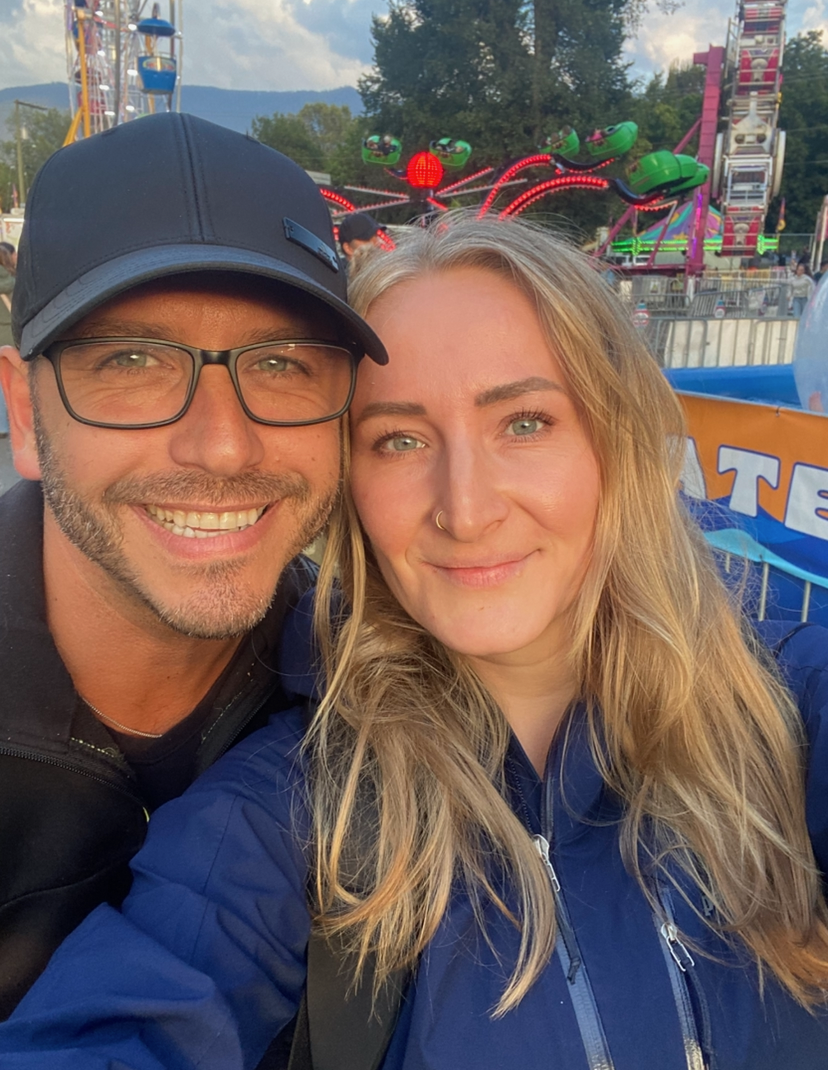
Calm water at dusk can trick even experienced paddlers into thinking they have plenty of time. That illusion proved fatal on September 22, 2026, when 48-year-old Kyle Yrjola disappeared on Okanagan Lake near Fintry Provincial Park while paddleboarding with his girlfriend, Jaycee Martin.
Emergency crews rescued Martin, while searchers spent weeks trying to find Yrjola. His body wasn't located until October 15—23 days later—after a volunteer Manitoba dive team scanned deep water and confirmed the finding with a remotely operated underwater camera.
Reading basic news reports about the recovery leaves out a much bigger story. Why does a search take more than three weeks on a lake like Okanagan? What actually happens when a sudden evening squall hits an inflatable or touring board? And why did volunteer divers from another province end up making the breakthrough?
How Okanagan Lake Punishes Late-Day Paddlers
Okanagan Lake looks inviting on late-summer and early-fall evenings. Warm valley air lingers over the shoreline, and glass-flat water makes paddling out toward the middle feel effortless.
It's a trap. Steep mountain walls funnel wind down the valley, and thermal shifts around sunset can whip calm water into whitecaps in minutes. Once a chop builds, a paddleboard catches wind like a sail. Paddles get knocked loose. Boards drift faster than a swimmer can kick, especially if a rider isn't tethered or if a leash detaches in rough waves.
Cold water compounds the problem right away. Even when daytime air temperatures in the Okanagan feel mild or warm, lake water cools down quickly in late September and stays chilly well below surface air temperatures. Falling in unexpectedly triggers cold-water shock—an involuntary gasp reflex followed by rapid breathing and a spike in heart rate—making it hard to stay calm or swim toward a drifting board.
A common mistake on big lakes is paddling downwind or straight out into open water early in the evening, assuming the breeze will stay gentle on the return trip. When the wind picks up at dusk, light is fading and every extra hundred yards from shore multiplies the risk.
People also underestimate depth. Okanagan Lake plunges hundreds of feet deep in many stretches, and reports around the search noted recovery efforts reaching extreme depths where visual searches from a boat are useless. Once someone goes under in deep water, wind and surface drift can complicate initial surface grids, while cold bottom temperatures slow decomposition and keep a body submerged rather than surfacing quickly.
Inside the 23-Day Search and Recovery Effort
Local police and search-and-rescue teams responded after the September 22 distress call, using boats, aircraft, drones, and K9 crews before transitioning away from an active surface rescue. For Yrjola's family and Martin, waiting without answers dragged on for more than three weeks.
Breakthroughs came when the Hutterian Emergency Aquatic Response Team (HEART)—a volunteer non-profit dive group from Manitoba led by Manuel Maendel—drove two days to British Columbia to assist. Over the past decade, HEART has helped more than 30 families free of charge, relying on donations and specialized gear rather than charging grieving relatives.
Sonar and Underwater Cameras in Deep Water
Deep-lake recovery isn't like searching a shallow pond. On a lake as deep as Okanagan, divers can't simply swim grid lines at extreme depths safely or efficiently.
HEART used dropped towfish sonar paired with methodical GPS grid tracking—adapting precision navigation concepts familiar from agricultural equipment to sweep search zones without leaving gaps. According to CBC News reporting on the recovery, Maendel noted their towfish sonar could image down to 600 feet (183 metres).
Still, sonar alone can't close a case. A rock ledge, sunken log, or debris cluster can look startlingly similar to a human form on a screen. Confirming what's actually on the bottom required sending down a remotely operated underwater camera—an underwater ROV that gives eyes on the target without putting a diver into hazardous deep water first.
Why Volunteer Teams Get Called Across Provinces
Honestly, it says a lot about both generosity and equipment gaps that a volunteer team from Manitoba ended up locating someone in British Columbia. Public safety agencies have real budget limits, varying regional sonar and deep-ROV inventories, and strict operational safety rules.
Maendel has pointed out that local law enforcement shouldn't always have to wait three weeks for out-of-province volunteers with deep-water imaging gear to arrive. At the same time, charity teams depend on community donations and sponsorships just to maintain boats, sonar units, cameras, and travel costs. That tension—between deep-water search capability and public funding—is something communities across North America keep running into whenever a drowning happens in deep glacial or mountain lakes.
What Paddlers Miss About Open-Water Safety
Ask ten casual paddleboarders what they pack for an evening on the lake, and most will talk about sunscreen, a phone, and maybe a dry bag. Far fewer treat a stand-up paddleboard like a small boat in shifting weather.
In reality, a paddleboard is a low-freeboard craft with zero cabin protection. If you stand up far from shore and a gust hits, your center of gravity is high and recovery is harder. Kneeling or sitting lowers your profile and keeps you moving when standing just gets you knocked off.
Gear choices matter more than people admit:
- Wear your PFD, don't strap it to the board: A life jacket strapped to the front deck won't save you if wind blows the board away before you reach it. Bright colors (red, orange, or yellow) make a person in the water much easier for boaters or rescuers to spot in chop or low light.
- Use the right leash for the water: On calm open lakes, a leash keeps your board from blowing away if you fall off. In moving river currents, leashes carry entanglement hazards, so know your water before clipping in.
- Plan your wind direction: Paddling into a mild breeze on the way out means the wind helps push you back toward your launch point if it strengthens later.
- Respect sunset and temperature drops: Evening brings both falling light and cooler air over cold water. A wetsuit or thermal layer isn't overkill once summer fades into fall.
Practical Steps Before Your Next Paddle
Tragedies like Yrjola's passing—just days before his 49th birthday, leaving family and friends grieving through a long search—hit hard because they start with a completely ordinary, pleasant outing. You don't need fear to stay safe on the water; you just need habits that don't rely on perfect weather holding.
Before you push off on any large lake this season, check the wind forecast for the entire window you plan to be out, not just the first hour. Put on a properly fitted, high-visibility life jacket before leaving shore. Keep your route closer to shore when daylight is fading or water temperatures are cool, tell someone ashore where you launched and when you expect to be back, and turn around early the moment dark wind ripples start marching across the water toward you. If you want to support groups doing deep-water recovery work, look up organizations like HEART or support local search-and-rescue volunteers in your own region.