Oil prices continue to rise despite recovering tanker flows because physical crude delivery lags paper futures markets by months, war risk insurance premiums remain elevated, and damaged refining infrastructure creates localized fuel bottlenecks. When conflict subsides, headline writers assume barrels immediately hit the pump. Traders know better. Between the moment a vessel clears a contested strait and the day refined gasoline reaches a terminal, months of maritime logistics, financial hedging, and inventory restocking dictate the actual cost of energy.
Watch the screens on a trading floor in Houston or London during a geopolitical de-escalation. You will see a predictable head fake. Algorithms react to diplomatic headlines within milliseconds, dumping front-month futures contracts and briefly driving benchmark prices down. Within forty-eight hours, the rally resumes. Physical buyers—refiners, airlines, and utility operators—step in to buy the dip because their storage tanks are still dangerously low.
The Time Lag Between Geopolitics and the Pump
Energy markets operate on two completely different clocks. Financial oil trades at the speed of light. Physical oil moves at twelve knots.
When hostilities disrupt a major maritime chokepoint like the Strait of Hormuz, the immediate impact is psychological. Traders price in worst-case scenarios, adding a geopolitical risk premium to Brent and West Texas Intermediate futures. Once diplomatic pressure or military deterrence restores safe passage, that headline premium evaporates.
Yet the physical supply chain remains broken. A Very Large Crude Carrier (VLCC) holds roughly two million barrels of oil. Taking that ship from the Persian Gulf to a refinery in Rotterdam or Singapore requires three to six weeks of transit time. Add another two weeks for unloading, crude distillation, blending, and pipeline distribution.
Consider a hypothetical scenario where a two-week naval blockade halts ten million barrels per day of exports. Even if the blockade ends on a Monday morning, global markets have permanently lost 140 million barrels of timely supply. Those missing cargoes create a physical vacuum downstream. Refineries running on fumes must scramble for spot cargoes from West Africa, the North Sea, or the United States Gulf Coast, bidding up regional differentials regardless of what is happening in the Middle East.
The Invisible Tax of War Risk Insurance
Ships do not move on optimism. They move on underwriting.
During active conflict, marine insurers issue cancellation notices for war risk policies within seven days. To enter a high-risk zone, shipowners must pay additional war risk premiums calculated as a percentage of the vessel's hull value. For a modern tanker valued at $120 million, a spike in war risk rates can add hundreds of thousands of dollars to a single voyage.
When fighting pauses, underwriters do not immediately slash rates back to baseline. Insurance syndicates in London price risk based on actuarial probability, not diplomatic press releases. Stray mines, unexploded ordnance, and rogue militia cells remain lethal hazards long after formal ceasefires take effect.
The Cost of Rerouting and Crew Refusals
Even when insurance is available, major shipping conglomerates often refuse to transit contested waters until independent security assessments confirm safety. Vessels diverted around the Cape of Good Hope add ten to fourteen days to their voyages. That extra distance burns millions of dollars in bunker fuel and effectively shrinks the global tanker fleet by tying up ships at sea.
Maritime labor unions also hold veto power. Seafarers have the contractual right to refuse entry into designated war zones, or demand double pay for doing so. These elevated freight rates—measured in Worldscale points—get baked directly into the landed cost of crude oil. Buyers pay the price at the dock, even if the barrel itself was pumped cheaply in the desert.
Backwardation and the Inventory Trap
To understand why prices stay sticky on the way down, you have to look at the forward curve.
In a healthy, well-supplied market, oil trades in contango, meaning future contracts cost more than immediate delivery to cover storage and financing costs. Supply disruptions flip the market into steep backwardation. Prompt barrels trade at a massive premium over oil delivered six months from now because refiners need crude immediately to keep their units running.
During a conflict, commercial operators drain their onshore inventories to avoid paying inflated spot prices. They burn through their safety buffers, assuming they can restock once tensions cool. When tanker traffic finally resumes, every major buyer tries to rebuild those depleted stockpiles simultaneously.
- Commercial Storage Depletion: Private refiners draw down working inventories to bare minimums during price spikes.
- Strategic Reserve Refills: Governments that released emergency stockpiles to tame inflation must eventually buy crude back on the open market.
- Refinery Maintenance Delays: Plants that postponed scheduled turnarounds to capture high margins are forced offline for urgent repairs just as supply recovers.
This synchronized restocking creates a floor under prices. Every time futures dip toward a psychologically attractive level, commercial hedging desks lock in forward supplies, absorbing the selling pressure and pushing the curve right back up.
Refining Bottlenecks Matter More Than Crude Volume
A barrel of raw crude oil is useless to a motorist or a trucking company. You cannot pour heavy sour crude into a diesel engine.
Modern conflicts rarely leave energy infrastructure unscathed. Drone strikes, cyberattacks, and artillery fire frequently target export terminals, pumping stations, and coastal refineries. Even when upstream oil fields remain intact and tankers resume loading, a damaged hydrocracker or coking unit downstream creates a severe bottleneck.
When refining capacity goes offline, crude oil supply can actually look abundant on paper while retail fuel prices skyrocket. This divergence shows up in the crack spread—the profit margin refiners make by turning crude oil into gasoline and distillate fuels like diesel and jet fuel.
High crack spreads pull crude prices upward. If a refinery in Asia or Europe can make $35 a barrel refining crude into diesel, that refiner will aggressively bid up the price of raw crude just to keep its distillation towers running at maximum capacity. Rising crude flows from the Middle East cannot solve a shortage of functional refining hardware in the Atlantic Basin.
The OPEC Plus Quota Illusion
Headline numbers showing higher oil exports often mask underlying production constraints. Market monitors track satellite imagery and AIS transponder signals to count tankers leaving port, celebrating an uptick in volume as proof of a supply surge.
Those tracking numbers frequently reflect floating storage clearing out rather than new production coming online. During the height of turmoil, tankers loaded with crude often idle outside conflict zones, waiting for safe passage or buyer confirmation. When the coast clears, those ships sail in a convoy, creating an artificial spike in observed export data.
Meanwhile, the producer cartel faces structural limits. Years of chronic underinvestment in upstream exploration have eroded global spare capacity. Most member nations already pump near their maximum sustainable limits. When one producer suffers infrastructure damage during a conflict, neighboring producers rarely have enough idle capacity sitting ready to turn on with the flip of a switch. Ramping up dormant wells takes months of pressure testing, workover rigs, and reservoir management.
Financial Flows and Algorithmic Momentum
Modern oil markets are dominated by non-physical participants. Commodity Trading Advisors (CTAs), macro hedge funds, and index trackers control vastly more capital than physical oil merchants.
These funds trade on momentum, volatility metrics, and macroeconomic correlations rather than tanker manifests. During a war scare, volatility spikes, forcing risk-parity funds to slash their exposure. Once the violence subsides and volatility drops, those exact same quantitative models automatically buy back into energy futures to rebalance their portfolios.
Inflation hedging compounds this effect. Geopolitical shocks rarely stay confined to the energy sector; they disrupt global supply chains, drive up shipping container rates, and force central banks to keep interest rates higher for longer. Institutional investors buy crude oil futures as a blunt-force hedge against currency debasement and stagflation. In that environment, crude stops trading strictly on supply and demand fundamentals and starts trading as a macro asset class.
Why Retail Drivers Feel the Pain Last
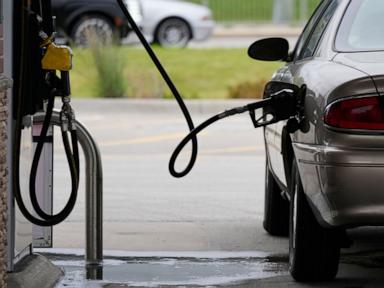
Consumers watch crude oil drop five dollars a barrel on the evening news and wonder why the price at the corner gas station went up ten cents the next morning. Industry insiders call this phenomenon rockets and feathers.
Prices shoot up like a rocket when wholesale costs rise, then float down like a feather when costs fall. This asymmetry is not always corporate price gouging; it reflects the brutal mechanics of retail fuel margins.
Gas station operators make pennies per gallon on fuel, relying on inside convenience store sales for actual profit. When wholesale rack prices spike during a geopolitical crisis, station owners must immediately raise pump prices to generate enough cash flow to pay for their next tanker delivery of gasoline. When wholesale prices finally retreat, retailers hold pump prices steady for days or weeks to recoup the margins they lost during the initial shock.
Until global commercial inventories rebuild to their five-year seasonal averages, war risk insurers normalize maritime transit fees, and damaged downstream refineries return to full utilization, rising tanker counts will remain a mirage for anyone expecting cheap fuel.