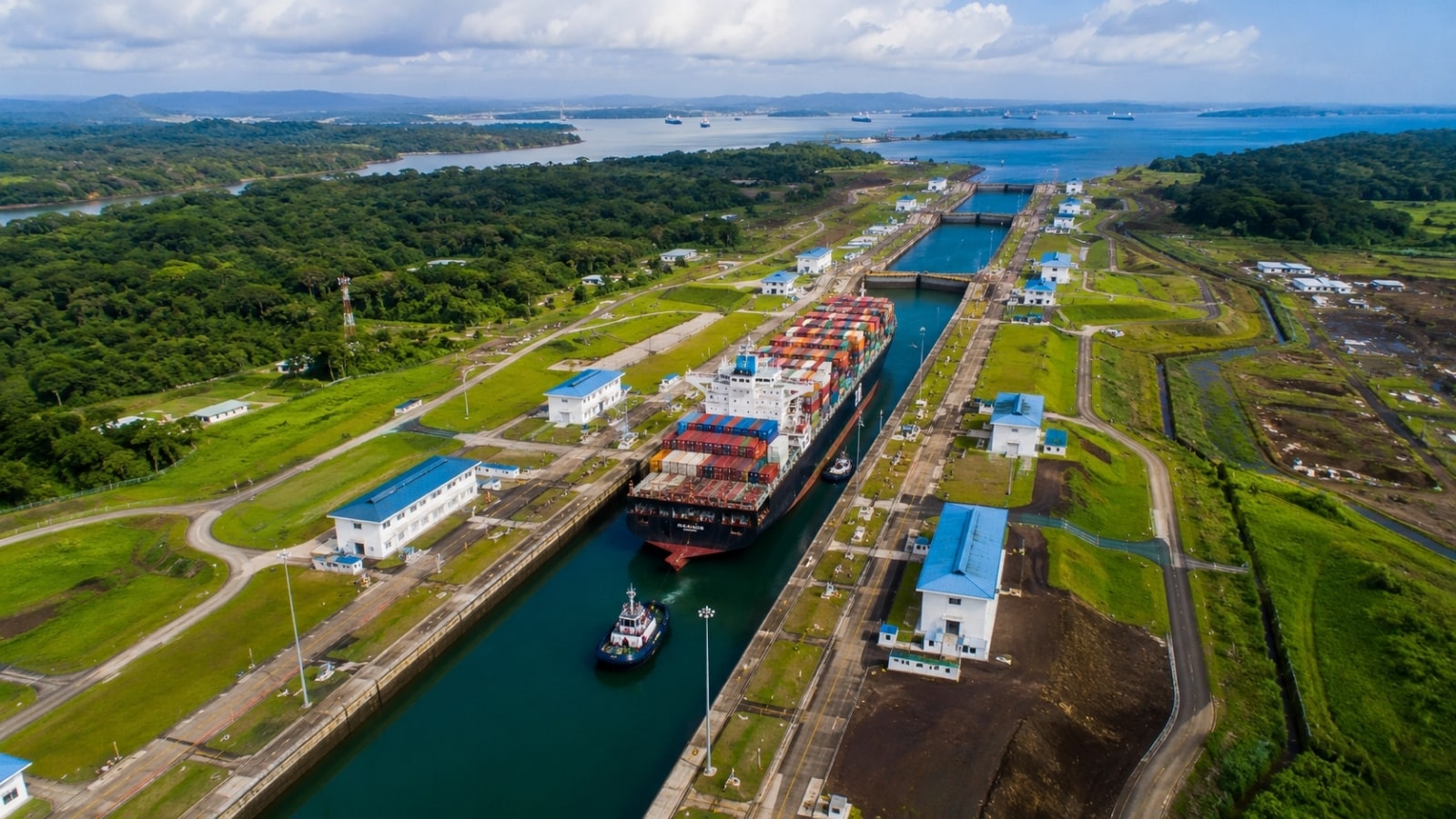
Crude oil surging past 100 dollars a barrel sent global equities into a sharp tailspin as escalating Middle East conflict threatened to choke off key maritime supply routes. Wall Street and European bourses pulled back immediately, reflecting fears that sustained energy price spikes will reignite stubborn inflation and force central banks to keep interest rates elevated for longer. While headline market drops focus on immediate geopolitical fear, the true structural vulnerability lies deeper within physical supply bottlenecks, depleted strategic reserves, and shifting refining capacity across Asia and Europe.
The Strait of Hormuz and Physical Supply Realities
Geopolitical risk premiums return to energy markets with brutal speed. When regional instability threatens maritime transit, physical crude traders react long before financial paper markets fully price in the systemic risk. Expanding on this idea, you can also read: The Volatile Architecture of Industrial Control.
The primary focus remains the Strait of Hormuz, a narrow waterway handling roughly 20 percent of world petroleum consumption. Unlike pipeline networks, maritime bottlenecks offer limited bypass routes. Alternative pipelines through Saudi Arabia and the United Arab Emirates can handle only a fraction of the daily volume passing through the Gulf.
When tanker operators face soaring insurance war-risk premiums, shipping rates skyrocket across the board. Vessels reroute around Africa, adding two to three weeks to voyage durations. That extra transit time effectively removes crude inventory from the immediate physical market, creating an artificial supply squeeze even before a single drop of oil stops flowing from a wellhead. Analysts at CNBC have also weighed in on this trend.
The Mirage of Strategic Petroleum Reserves
Governments often promise intervention using national buffer stocks during severe supply disruptions. However, international emergency reserves sit at historic lows after years of aggressive releases meant to dampen previous price shocks.
- Depleted SPR Capacity: The United States Strategic Petroleum Reserve remains far below its historical capacity, limiting Washington's power to flood the market with emergency crude.
- Refining Mismatch: Emergency reserves largely hold specific grades of medium and heavy crude, whereas modernized refiners require precise blends to maximize yield.
- Coordination Delays: Multilateral releases coordinated by the International Energy Agency require complex policy agreements that rarely match the real-time speed of physical spot markets.
Relying on state-held reserves to tame 100 dollar oil is a short-sighted policy strategy. Reserves exist as a stopgap for short-term supply interruptions, not as a price suppression tool for prolonged regional disputes.
Equity Markets Face a Triple Threat
Equity traders spent months betting on soft economic landings and swift monetary easing. Oil above 100 dollars shatters that consensus completely.
Higher energy input costs drag on corporate margins across non-energy sectors. Transportation, manufacturing, and consumer discretionary businesses face immediate margin compression that cannot easily be passed along to end consumers without dampening demand further.
+-------------------+----------------------------+-----------------------------+
| Market Sector     | Direct Cost Impact         | Secondary Economic Effect   |
+-------------------+----------------------------+-----------------------------+
| Transportation    | Higher fuel surcharge      | Decreased cargo volume      |
| Manufacturing     | Elevated industrial power  | Reduced capital spending    |
| Consumer Discret. | Higher household heating   | Lower disposable income     |
+-------------------+----------------------------+-----------------------------+
Central banks find themselves caught in a policy vise. Inflation figures that had steadily drifted down toward target levels now risk rebounding driven by energy, shipping, and diesel costs. Federal Reserve officials and European Central Bank policymakers cannot cut interest rates into an energy-driven inflationary surge without risking secondary wage-price spirals.
Refinery Crack Spreads and the Real Cost at the Pump
Consumers rarely purchase unrefined crude oil. They buy refined products like gasoline, ultra-low sulfur diesel, and jet fuel.
The difference between crude prices and refined product values, known in trading circles as the crack spread, determines the immediate economic impact on industrial buyers and drivers. Refining capacity globally has shrunk following plant closures, structural shifts toward greener infrastructure, and altered trade flows after international sanctions.
When crude hits 100 dollars in a tight refining environment, diesel prices outpace crude on a percentage basis. Commercial trucking, agricultural equipment, and maritime transport run almost exclusively on distillates. Elevated diesel costs cascade quickly into grocery prices, construction budgets, and freight costs, magnifying the broader economic shock.
Financial institutions holding heavy positions in broad index funds are beginning to rotate aggressively into energy majors and physical commodity producers while trimming exposures to high-valuation growth equities. This capital reallocation signals a profound shift in market regime, away from tech-led expansion toward defensive commodity plays designed to hedge against persistent stagflationary pressures.