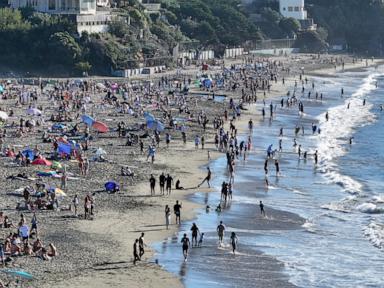
October in California used to mean crisp mornings, the scent of damp eucalyptus, and the comforting weight of a light jacket by dusk. Not anymore.
If you live anywhere from the Central Valley down to San Diego, you already know the drill. Autumn has turned into a second summer, and autumn heat waves are packing a punch that leaves air conditioning units humming in overdrive and power grids sweating.
The heat isn't just uncomfortable. It's rewriting historical climate charts and testing how much stress local infrastructure can take before something snaps. Let's look at why these late-season cookers happen, how they break records, and what you can do when your October looks like July.
The Atmospheric Setup Behind the October Sweat
Most people assume summer brings the worst heat, but California's meteorological calendar plays by its own rules. October heat waves are driven by a specific atmospheric cocktail: high pressure over the Great Basin colliding with offshore winds.
When a massive high-pressure system parks itself over the Great Basin in Nevada and Utah, air sinks. As that air sinks, it compresses and warms up. Gravity does the heavy lifting, pushing that warm air down the western slopes of the Sierra Nevada toward the coast.
As the air drops, it accelerates and dries out even more. This creates the classic offshore wind pattern. Meteorologists call them Diablo winds in the north and Santa Ana winds in the south.
By the time that air hits coastal basins like Los Angeles or Orange County, it has shed its marine moisture and picked up several degrees through compression. You get a rapid warmup that routinely pushes temperatures past the 90-degree or even 100-degree mark weeks after official autumn begins.
The sun angle is lower in October than in July, sure. But these compression events don't care about the calendar. They can easily override seasonal cooling trends. When you combine a strong ridge of high pressure with dry brush and late-season solar radiation, you get a recipe for record-shattering afternoon highs.
Breaking Down the Record Books
When local news anchors start talking about records falling left and right during an autumn heat spike, they aren't exaggerating. Weather stations from downtown Los Angeles to Palm Springs routinely log daily maximum records that have stood for decades.
Take places like Woodland Hills or Paso Robles. These inland valleys trap heat easily. During a severe October thermal event, daytime highs can soar 15 to 20 degrees above normal. Normal for mid-October might be upper 70s. Instead, thermometers stall out near 100 degrees for three or four consecutive days.
The real danger isn't just the daytime peak. It's the lack of nighttime relief.
Normally, the Pacific Ocean acts as a giant air conditioner. Marine layers roll in overnight, dropping temperatures into the comfortable 50s and giving homes a chance to cool down. During a strong offshore event, that marine layer gets pushed miles out to sea. Overnight lows might stay in the upper 70s or low 80s.
When your house doesn't cool off at night, heat stress accumulates. Your body never gets a break. That is when emergency rooms see spikes in heat-related illnesses. Vulnerable populations—elderly residents, outdoor workers, and people without reliable air conditioning—bear the brunt of these unseasonal warm spells.
The Grid Test and Energy Strains
October heat waves catch people off guard, and that includes utility companies. By October, many Californians have relaxed their energy-saving habits. Summer peak pricing events feel like a distant memory, and people assume the worst of the power crunch is over.
Then a three-digit heat wave hits on a Tuesday afternoon.
Everyone cranks their AC. Offices, schools, and homes draw massive amounts of power simultaneously. Because the sun sets earlier in October than it does in July, solar generation drops off a cliff right as evening energy demand peaks.
California Independent System Operator, or CAISO, watches these late-season spikes with white-knuckled focus. While grid operators issue Flex Alerts during summer heat domes, October alerts often catch residents by surprise.
If you want to keep your power bills manageable and help the grid stay stable during these surprise heat events, you have to adjust on the fly:
- Pre-cool your home by lowering your thermostat a few degrees in the morning before peak heat sets in.
- Bump the thermostat up to 78 or higher between 4 PM and 9 PM when solar production dips.
- Delay running heavy appliances like dishwashers and laundry machines until late evening or early morning.
- Keep blinds and curtains drawn on east- and west-facing windows to block direct solar radiation from turning your living room into an oven.
The Fire Risk Factor
You cannot talk about an October heat wave in California without addressing the elephant in the room: wildfire danger.
By October, California's landscape has baked through five or six months of near-zero rainfall. Vegetation is bone dry. Grasses, brush, and timber have turned into kindling.
When you introduce an offshore wind event packed with hot, single-digit humidity air, you create a blowtorch effect. A single spark from a catalytic converter, a downed power line, or human carelessness can trigger a fast-moving wildfire that defies containment.
This is why Red Flag Warnings routinely accompany these late-season heat spikes. Utility companies have gotten aggressive with Public Safety Power Shutoffs, cutting electricity to high-risk areas to prevent wind-blown lines from sparking disaster. Living through an October heat wave often means sweating through a power outage while keeping an eye on local evacuation maps.
Adapting to this new normal means accepting that autumn is no longer a guaranteed break from extreme weather. Keep your emergency go-bags packed, monitor local air quality and temperature alerts, and don't assume the heat is finished just because the calendar says October.



