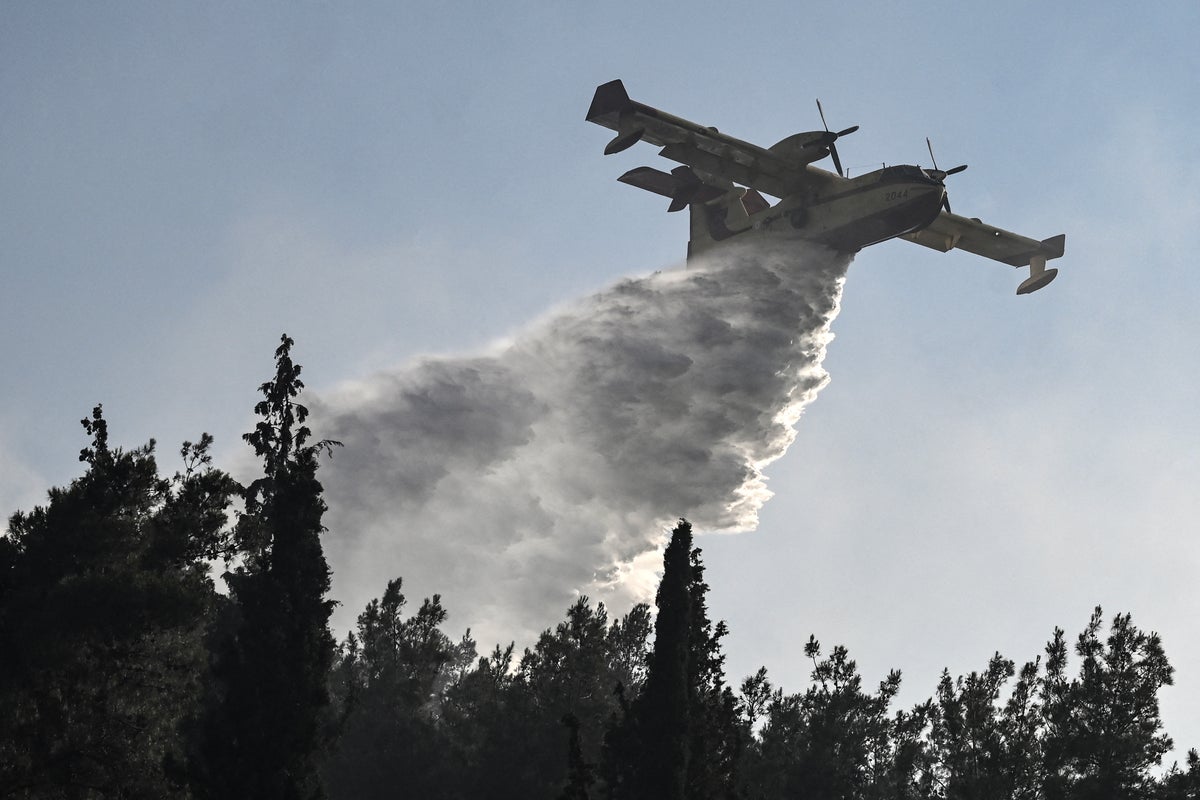
Summer in the Mediterranean used to mean vacation. Now it means survival. The latest tragedy in northern Greece, where two people lost their lives after wildfires gutted a home in a freshly evacuated village, isn't just another sad headline. It's a massive wake-up call. We keep seeing the same pattern repeat every single year, yet the response mechanisms remain dangerously reactive.
When a wildfire moves faster than local communications, people die. The recent casualties occurred when flames trapped residents inside their property before they could escape the designated evacuation zone. This wasn't supposed to happen. The village received an official evacuation order, but as we've seen in previous devastating fire seasons across Europe, a text alert doesn't automatically guarantee safety.
If you think this is just a Greek problem, you're missing the bigger picture. Extreme weather patterns are shifting northward, and rural communities globally are completely unprepared for the speed of modern wildfires.
The Fatal Flaw In Emergency Evacuation Orders
Emergency management agencies love to rely on automated alert systems. In theory, sending a mass notification to every smartphone in a specific radius sounds perfect. In reality, it creates a false sense of security for emergency planners.
During this recent blaze in northern Greece, gales drove the firefront through parched vegetation at an incredible speed. By the time the official evacuation order came down, the primary escape routes were already choked with thick smoke. For older residents or those without immediate access to transportation, a sudden digital warning can cause panic instead of orderly action.
Look at the data from previous intense fire seasons documented by organizations like the European Forest Fire Information System (EFFIS). When fires reach a certain intensity, they create their own weather systems, shifting direction without warning. Relying strictly on real-time bureaucratic decisions means you're already behind the fire.
Why Firebreaks And Traditional Containment Are No Longer Enough
We need to stop pretending that traditional firefighting tactics can handle climate-driven infernos. For decades, the strategy relied heavily on creating firebreaks—clearing strips of land to starve the fire of fuel.
It doesn't work anymore. Not when winds are gusting at over 70 kilometers per hour.
- Embers travel further: High winds carry burning debris miles ahead of the actual fire front, sparking new blazes behind containment lines.
- Fuel loads are unprecedented: Years of rising temperatures leave forests completely dried out, turning every twig into tinder.
- Topography accelerates the threat: Northern Greece features rugged terrain that creates natural chimneys, funneling heat and flames uphill at speeds no human can outrun.
When a fire guts a stone or brick home, it means the ambient temperature reached levels that normal residential construction simply cannot withstand. We are fighting 21st-century fires with a mid-20th-century playbook.
What You Must Do Long Before The Smoke Appears
Waiting for an official alert before taking action is a gamble with your life. If you live anywhere near a high-risk fire zone, you need a personal protocol that doesn't depend on a government text message.
First, establish a hard trigger point for leaving. Don't wait for the sky to turn orange. If a fire is active within a ten-mile radius and the winds are blowing your way, pack up and go. Material possessions can be replaced. Your life can't.
Second, actively clear a defensible space around your property. This means removing all dead vegetation, firewood piles, and easily ignitable materials at least 30 feet away from your home's exterior walls. Clean your gutters regularly. Dried leaves sitting on a roof are the number one cause of home ignitions from flying embers.
Finally, map out at least three distinct escape routes out of your area. Assume the main highway will be blocked by emergency vehicles or stalled traffic. Know the back roads, understand where they lead, and make sure every member of your household knows the plan by heart.
The tragedy in northern Greece proves that nature doesn't wait for human logistics to catch up. Rely on your own preparation, act early, and never underestimate a wildfire.