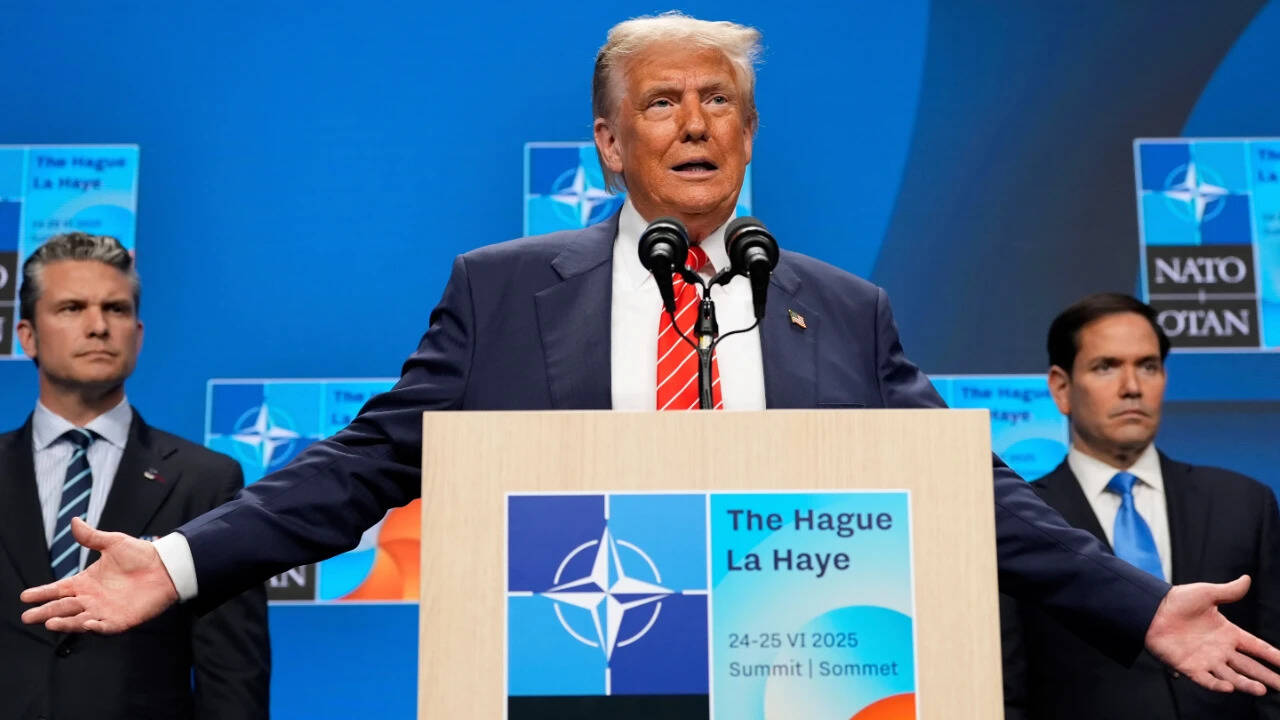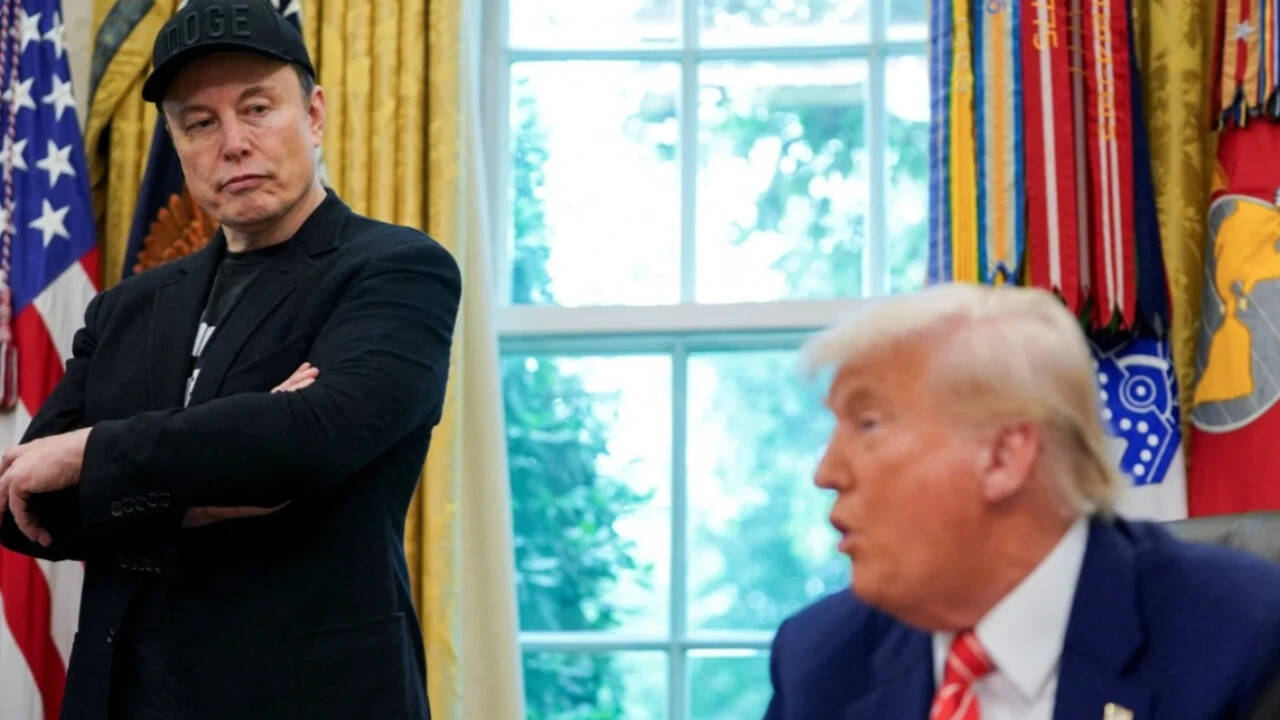
Everyone in Washington loves talking about a dramatic foreign policy comeback. When domestic politics turn messy after a rough midterm election, presidents historically look overseas for a legacy-defining headline. It's the oldest trick in the Oval Office playbook.
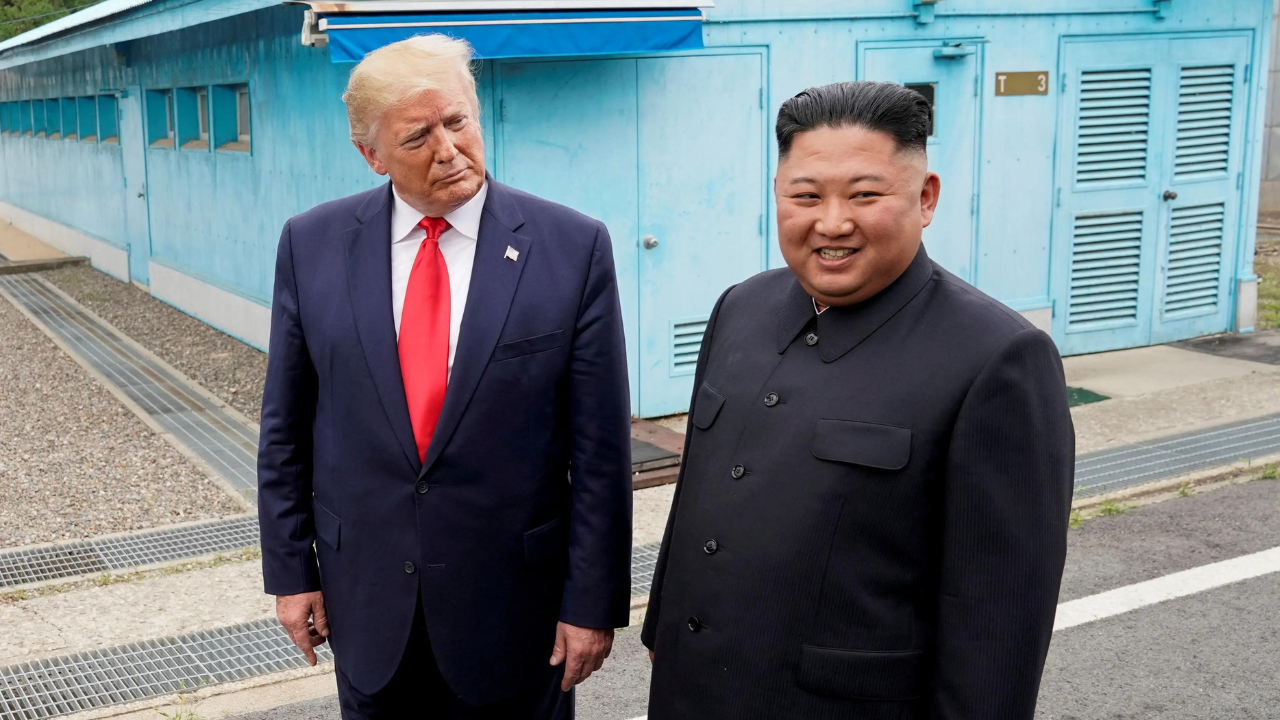
Right now, chatter around a Trump Kim reset is heating up again, fueled by speculation that Donald Trump might try to revive his high-stakes personal diplomacy with Kim Jong Un following midterm setbacks. On paper, it sounds like classic political theater. You take the spotlight off domestic gridlock and put it squarely on the Korean Peninsula.
Here is the problem with that theory. Pyongyang isn't the desperate, isolated regime it was back in 2018.
If Trump reaches out for another round of summit diplomacy, he won't be negotiating from a position of overwhelming American dominance. North Korea has spent the last several years fundamentally reshaping its geopolitical position, its military capabilities, and its economic lifelines. Honestly, if a meeting happens, Kim Jong Un holds almost all the cards.
Why Midterm Setbacks Push Presidents Toward Foreign Policy
Domestic political bruising changes how a White House operates. When Congress flips or margins tighten after a midterm cycle, passing major domestic legislation becomes a daily street fight. Executive actions get tied up in federal courts. Approval ratings take a beating.
Foreign policy offers an immediate escape hatch. Under the U.S. Constitution, a president enjoys massive latitude in conducting diplomacy without needing immediate congressional sign-off. A sudden summit with an adversary dominates cable news, resets the political narrative, and projects strength when things at home feel stuck.
We've seen this movie before. Presidents from Richard Nixon to Barack Obama leaned heavily into overseas breakthroughs when domestic agendas hit a wall. For Trump, whose brand is built on unconventional dealmaking and personal chemistry with strongmen, reaching back out to Kim Jong Un makes total intuitive sense. He loves the spectacle. He believes his personal relationship with Kim is a unique asset that traditional diplomats simply don't have.
Still, wanting a deal and having the power to get one are two completely different things.
How North Korea Built Unprecedented Diplomacy Power Since Hanoi
To understand why a Trump Kim reset looks so lopsided today, you have to look at what changed since the 2019 Hanoi summit collapsed. Back then, Kim traveled for days by armored train hoping to trade partial dismantling of the Yongbyon nuclear facility for broad sanctions relief. Trump walked away, convinced that maximum pressure would eventually force Pyongyang to fold.
That bet didn't pay off. Instead of folding, Kim went to work.
The Russia Military Alliance Changed Everything
The single biggest shift in North Korea's position has nothing to do with Washington and everything to do with Moscow. Russia's ongoing war in Ukraine created an insatiable demand for artillery shells, ballistic missiles, and manpower. Pyongyang stepped right into that void.
According to intelligence assessments from both the United States and South Korea, North Korea has shipped millions of artillery rounds and dozens of ballistic missiles to Russia. In return, Kim isn't just getting hard currency, fuel, and food that completely blunt the bite of United Nations sanctions. He's getting advanced Russian military technology, space launch assistance, and diplomatic cover at the U.N. Security Council.
Think about what that means for North Korea diplomacy power. In 2018, Kim needed Trump to lift sanctions so his economy could breathe. Today, Russia is effectively bankrolling Pyongyang's survival while vetoing any new U.N. monitoring mechanisms. Kim doesn't need Washington's permission to survive anymore.
A Bigger, Harder-to-Track Nuclear Arsenal
While diplomatic channels stayed frozen, North Korea's weapons engineers never stopped working. The country has transitioned from testing experimental devices to mass-producing tactical nuclear weapons and solid-fuel intercontinental ballistic missiles.
Solid-fuel missiles are a massive headache for U.S. intelligence. Unlike older liquid-fueled rockets that take hours to prep—giving American satellites plenty of warning—solid-fuel missiles can be rolled out of a mountain tunnel, launched within minutes, and hidden again. North Korea has also conducted numerous tests of underwater nuclear attack drones and multiple-warhead reentry vehicles.
The Stockholm International Peace Research Institute (SIPRI) estimates that North Korea now possesses around 50 assembled nuclear warheads and enough fissile material to build dozens more. You can't put that genie back in the bottle with a handshake in the Demilitarized Zone.
What Kim Jong Un Actually Wants From Washington Now
If you're expecting Kim to show up at a negotiating table ready to talk about "complete, verifiable, and irreversible denuclearization," you're living in the past. Pyongyang officially enshrined its nuclear weapons status into its constitution in 2023. Kim has stated repeatedly that denuclearization is dead.
So why would Kim even take Trump's call? Because he wants something entirely different now.
- De facto recognition as a nuclear state. Kim wants arms control talks, not disarmament talks. He wants Washington to treat North Korea the same way it treated the Soviet Union during the Cold War—as a peer nuclear power negotiating risk reduction.
- Scaling back U.S.-South Korea military drills. Pyongyang views joint exercises between Washington and Seoul as rehearsal for an invasion. Getting Trump to pause or cancel major drills—something Trump actually did unilaterally after Singapore in 2018—would be a massive strategic win for Kim without giving up a single warhead.
- Driven wedges between allies. Nothing delights Pyongyang more than watching Washington, Seoul, and Tokyo argue over security commitments. If Trump pursues a bilateral deal that ignores South Korean concerns, it weakens the entire trilateral alliance system in East Asia.
Basically, Kim isn't looking for a rescue package. He's looking for legitimacy and strategic concessions while keeping his entire nuclear arsenal intact.
The Dangerous Trap of a Quick Summit
I've watched administrations of both parties fall into the trap of confusing diplomatic activity with actual progress. A photo op feels like a victory for about forty-eight hours. Then the bill comes due.
If Trump pushes for a Trump Kim reset just to score a political win after the midterms, he faces a brutal dilemma. To get Kim into the room, Washington would almost certainly have to offer upfront concessions—like freezing joint military exercises or easing enforcement on illicit oil transfers.
If Trump refuses to offer those concessions, Kim simply stays home and keeps selling weapons to Moscow. There is zero urgency in Pyongyang. Kim is in his early forties. He faces no elections, no angry voters, and no term limits. He can easily wait out an American president.
On the other hand, if Trump does offer upfront concessions just to get a summit on the calendar, he hands Kim a massive propaganda victory before a single word is negotiated. Worse yet, accepting a "nuclear freeze" rather than denuclearization quietly legitimizes North Korea as a nuclear-armed state. Once the United States accepts that reality, countries like South Korea and Japan will immediately start questioning whether they need to build nuclear weapons of their own to stay safe.
That kind of nuclear proliferation domino effect in Asia would make the world drastically less secure.
What Realistic U.S. Policy Toward Pyongyang Looks Like
You don't have to abandon diplomacy to avoid getting played. Talking to adversaries isn't inherently bad—refusing to talk for years hasn't stopped a single North Korean missile test. The trick is dropping the illusion that a single summit can solve a thirty-year security crisis.
Any serious approach to North Korea right now requires three grounded steps:
- Coordinate tightly with Seoul and Tokyo before making a single move. Washington cannot afford to surprise its allies with sudden unilateral pauses in military readiness. Deterrence only works when allies trust that the American nuclear umbrella is rock solid.
- Focus on disrupting the Russia-North Korea supply chain. Diplomacy won't work if Moscow keeps shielding Pyongyang from consequences. The U.S. and its partners have to target the financial networks, shipping lanes, and third-party facilitators enabling weapons transfers between Kim and Vladimir Putin.
- Set realistic, verifiable benchmarks for lower-level talks. Instead of jumping straight to a leader-level summit with no preparation—which is exactly why Hanoi imploded—diplomats need to hash out concrete verification protocols behind closed doors first. If Pyongyang won't allow international inspectors back into the country, there's nothing real to sign.
A post-midterm Trump Kim reset might make for incredible television, and it would certainly distract Washington from domestic political headaches for a few weeks. Just don't mistake the cameras flashing for American strength. Until something disrupts Kim Jong Un's booming partnership with Moscow and his rapidly expanding missile force, North Korea isn't coming to the table to surrender its leverage. It's coming to collect.