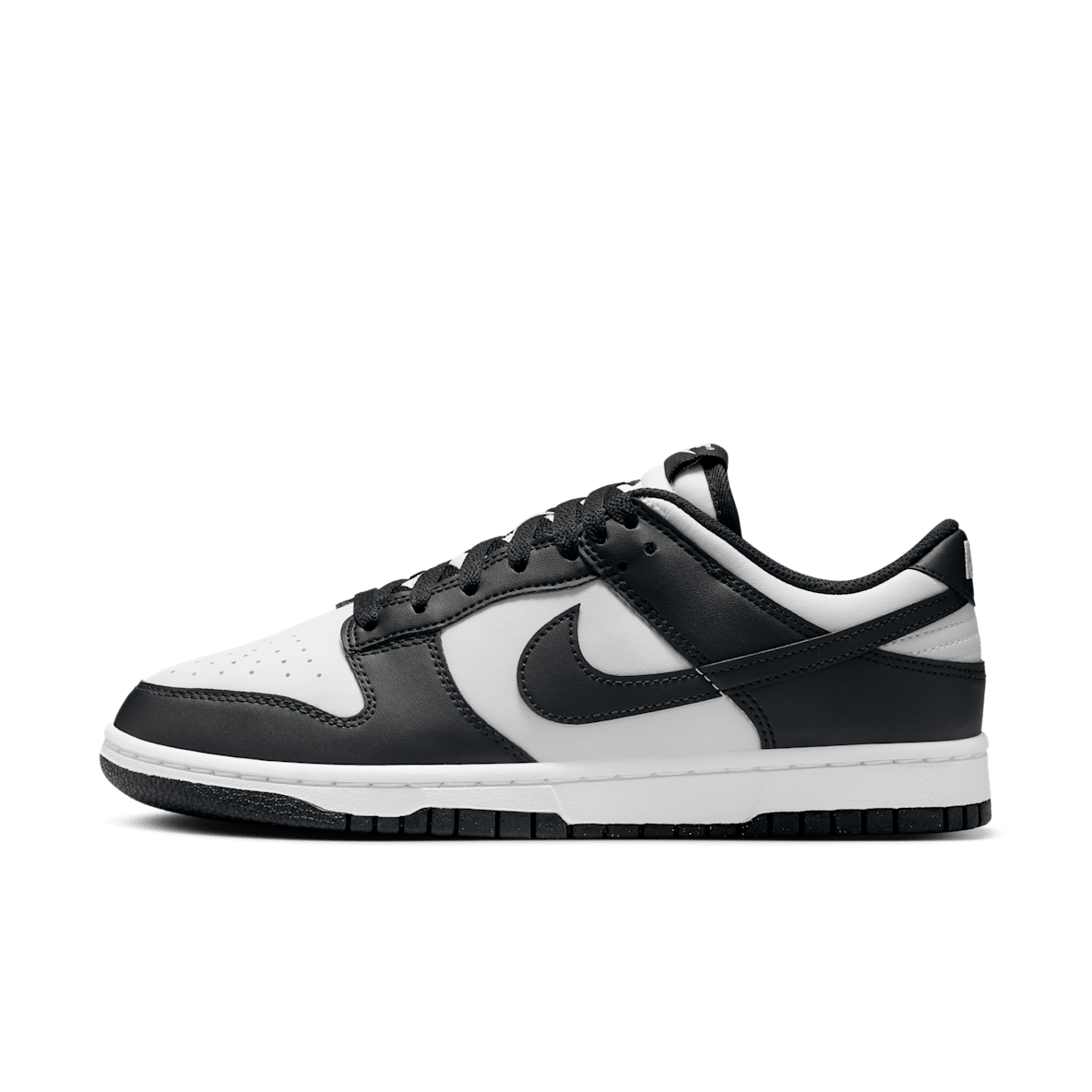
Nike is stepping onto an investor day stage for the first time in nearly a decade because the company has run out of room to hide behind legacy brand equity. When a dominant market leader goes nine years without laying out formal, multi-year financial targets to Wall Street, that silence signals either unassailable dominance or internal paralysis. For Beaverton, it started as the former and quietly rotted into the latter. The financial goals Nike is now forced to outline represent a fundamental admission that its direct-to-consumer gamble broke its wholesale engine, alienated core runners, and handed billions in market share to hungry upstarts.
Wall Street does not care about swoosh nostalgia anymore. Analysts want concrete margin recovery timelines, realistic revenue growth floors, and proof that the executive suite understands why consumers walked away from flagship franchises. In related developments, take a look at: The Mechanics of Youth Reintegration Why Experiential Models Outperform Classroom Interventions for UK Neets.
Nine Years of Radio Silence and What Changed
Think back to the last time Nike held a formal investor day. It was late 2017. At the time, the company was riding high on the Consumer Direct Offense, an aggressive strategy designed to bypass traditional retail middlemen, capture full-price margins, and turn Nike into a tech-enabled direct-to-consumer powerhouse. Management promised high single-digit revenue growth and mid-teens earnings expansion. For a few years, especially during the pandemic-fueled e-commerce boom, the strategy looked bulletproof.
Then reality hit. Investopedia has also covered this important subject in great detail.
By cutting off longtime wholesale partners like Foot Locker, Dick's Sporting Goods, and independent specialty running shops, Nike inadvertently cleared prime shelf space for competitors. Retailers who had relied on Nike to drive foot traffic suddenly had empty walls to fill. They turned to Hoka, On Running, New Balance, and Brooks. Consumers walked into stores looking for a daily trainer, could not find Nike's top-tier models, and walked out wearing Swiss-engineered clouds or maximalist foam soles.
An investor day is a high-stakes contract with institutional capital. Companies avoid hosting them when their internal five-year models look ugly, or when leadership is actively tearing up the playbook. Going nine years between investor days is virtually unheard of for a Dow Jones component of Nike's scale. That nine-year gap tells the real story of a company that spent half a decade celebrating digital metrics while ignoring the slow erosion of its product pipeline and retail relationships.
Decoding the Financial Targets
When Nike lays out financial goals under intense market pressure, every percentage point is a negotiated truce between management's optimism and institutional skepticism. To understand what these targets actually mean, you have to strip away the corporate framing and look at the mechanics of athletic footwear economics.
The Gross Margin Tightrope
Gross margin is the lifeblood of any apparel giant. Historically, Nike thrived on a predictable cycle of launching high-heat innovation at premium price points, scaling those technologies down into mid-tier volume drivers, and keeping inventory clean enough to avoid mass discounting. Over the past several fiscal cycles, that machine jammed.
Rebuilding gross margins requires pulling three distinct levers at once, and each carries heavy operational risk.
- Product Mix Recalibration: Nike over-indexed on lifestyle classics like the Air Force 1, Dunk, and Air Jordan 1. Those shoes print money when demand outstrips supply because the tooling is already paid for and manufacturing costs are low. When management flooded the market to chase short-term revenue targets, the heat evaporated. Pulling back supply of these cash cows creates an immediate revenue hole that new performance footwear has to fill.
- Full-Price Realization: Promotional discounting became a crutch to clear bloated inventory across North America and Greater China. Financial targets hinging on margin expansion assume Nike can return to selling the vast majority of its goods at full retail price. In a cautious consumer environment, raising prices or refusing to discount requires product innovation that shoppers cannot get elsewhere.
- Supply Chain Normalization: While ocean freight rates have cooled from their pandemic peaks, labor costs in Vietnam and Indonesia—where the bulk of Nike's footwear is stitched and glued—continue to climb. Achieving margin goals means extracting efficiencies in raw material waste and automated manufacturing without compromising build quality.
The Revenue Growth Reality Check
For decades, Nike conditioned investors to expect high single-digit to low double-digit top-line growth like clockwork. Those days are over for the foreseeable future. Setting realistic financial goals today means acknowledging that a company generating roughly $50 billion in annual revenue cannot easily compound at ten percent without a massive macroeconomic tailwind or a category-defining invention.
Analysts scrutinizing the new multi-year framework are looking closely at the split between unit volume growth and average selling price increases. You cannot raise the price of a running shoe by ten dollars every year forever. Eventually, the consumer balks. Sustainable top-line targets must come from regaining lost market share in performance categories rather than squeezing more dollars out of the same shrinking pool of sneakerheads.
The Strategic Hangover of the Direct-to-Consumer Pivot
To appreciate why Nike's financial roadmap looks so different today than it did nine years ago, you have to examine the structural damage caused by its obsession with owned digital channels.
On paper, selling a $160 shoe through the Nike app instead of a wholesale partner looks like pure financial alchemy. You capture the entire retail markup, own the customer data, and control the brand presentation. In practice, Nike underestimated the hidden costs of running a global retail and logistics operation at scale.
"When you abandon the wholesale floor, you aren't just saving a middleman's margin. You are surrendering your best customer acquisition engine to your fiercest competitors."
Digital customer acquisition costs skyrocketed as privacy changes on mobile operating systems made targeted advertising vastly more expensive. Simultaneously, fulfilling millions of single-item e-commerce orders and processing high rates of free returns chewed through the very gross margin gains the strategy was supposed to deliver. Worse still, Nike lost the organic discovery that happens when a consumer browses a physical store wall and compares shoes side by side.
Repairing these wholesale bridges takes time and money. Retail buyers do not simply hand back prime shelf space because Nike asks nicely. They demand marketing co-op dollars, exclusive colorways, better margin structures, and guaranteed inventory allocation. Every concession Nike makes to win back Dick's Sporting Goods or JD Sports puts downward pressure on the very profit targets Wall Street is demanding.
Where the Real Growth Must Come From
If lifestyle sneakers are cooling off and wholesale partnerships require costly rebuilding, where does Nike find the growth needed to hit its newly minted financial goals? The answer lies in three battlegrounds that will define the company's next five years.
Reclaiming the Core Runner
Running is the soul of Nike. Bill Bowerman poured rubber into a waffle iron in Oregon to make track athletes faster, and that performance credibility haloed over everything else the brand sold for fifty years. Over the last decade, Nike ceded the everyday runner to specialists.
Walk through any major city marathon expo or neighborhood run club today. You will see carbon-plated Nike racing shoes on the feet of elite contenders chasing personal records, because Nike's top-end racing tech remains formidable. Look at the daily trainers people wear for their Tuesday morning five-milers, however, and you see Hoka, On, Asics, and Brooks dominating the pavement.
Nike's financial targets depend heavily on convincing everyday runners to come back to franchises like the Pegasus and Vomero. That requires stripping away bloated product tiers, simplifying the lineup so a buyer knows immediately which shoe offers maximum cushioning versus daily responsiveness, and investing heavily in grassroots running store activations. You cannot win back runners with glossy billboard campaigns; you win them back at local 5K races and specialty shop demo runs.
The China Question
For years, Greater China was Nike's crown jewel, delivering double-digit growth and outsized operating margins that masked sluggishness in mature Western markets. That growth engine has sputtered due to a combination of sluggish domestic consumption, geopolitical friction, and fierce local competition from domestic sportswear giants like Anta and Li-Ning.
Any credible multi-year financial plan from Nike must account for a permanently altered Chinese market. Local brands have closed the design and technology gap while pricing their products aggressively for value-conscious shoppers. Nike still commands immense brand recognition in Shanghai and Beijing, particularly around basketball culture, but assuming China will effortlessly return to its historic growth trajectory would be a dangerous miscalculation. Financial goals that rely on a miraculous Chinese consumer rebound deserve heavy skepticism.
Women's Athletic Apparel and Footwear
The global activewear market has been reshaped by female consumers, yet Nike has historically treated women's product as a smaller, pink-tinted derivative of its men's business. Competitors like Lululemon and Alo Yoga built multi-billion-dollar empires by obsessing over fabric feel, flattering silhouettes, and studio-to-street versatility.
Capturing meaningful share in the women's market requires more than slapping a swoosh on standard leggings. It demands dedicated design teams, distinct supply chain partnerships capable of handling technical stretch fabrics, and retail environments tailored to how women actually shop for athletic gear. If Nike's financial projections show accelerating apparel growth, it will only happen if the women's division finally stops playing second fiddle to men's basketball and football.
The Innovation Pipeline Problem
Financial spreadsheets do not sell shoes. Products do.
One of the sharpest criticisms leveled at Nike over the past three years is that its innovation engine stalled. While competitors introduced radically different midsole geometries and plush, oversized foams that delivered an immediately noticeable underfoot sensation in the store, Nike leaned heavily on iterative updates and archival retro releases.
True product innovation takes roughly eighteen to twenty-four months to move from a biomechanics lab in Oregon to a retail shelf in Chicago or London. That timeline creates a brutal reality for management. Even if Nike's design studios are buzzing with breakthrough concepts right now, the financial payoff will not show up in quarterly earnings until well into the future.
Consider a hypothetical scenario to see how this lag punishes financial targets. Suppose Nike develops a revolutionary new cushioning compound today that outperforms every rival foam on the market. Engineers must test durability, factories must retool molds, marketing teams must seed prototypes with athletes, and wholesale buyers must place orders nine months ahead of launch. During that entire two-year gestation period, management still has to report quarterly numbers while relying on existing inventory. If current product lines lack excitement, the company is forced to buy time through cost-cutting and share buybacks rather than organic demand.
What Wall Street Will Actually Watch
When the investor day presentations conclude and the institutional analysts return to their desks, they will not grade Nike on the polish of its keynote slides. They will track four unforgiving metrics over the next eight quarters to see if the financial goals hold water.
- Inventory-to-Sales Ratios: If inventory growth outpaces revenue growth for two consecutive quarters, margin targets are dead on arrival. Clean inventory is the ultimate truth serum in retail.
- Wholesale Order Book Visibility: Management can talk endlessly about renewed retail partnerships, but forward-looking order growth from major third-party accounts will prove whether retailers actually trust Nike's new product lineup.
- SG&A Leverage: Selling, general, and administrative expenses ballooned as Nike built out digital infrastructure and spent billions on demand creation. Hitting earnings targets requires strict cost discipline without starving the marketing budget needed to fend off emerging brands.
- Full-Price Sell-Through in North America: As Nike's largest and most profitable geographic segment, North America sets the tone. If factory outlet stores remain packed with current-season merchandise marked down forty percent, the brand equity repair job is failing.
The Illusion of Safety in Scale
Size used to be Nike's ultimate moat. A marketing budget exceeding four billion dollars a year meant Nike could outspend any rival on athlete endorsements, World Cup sponsorships, and Olympic visibility. In a fragmented media environment where a viral TikTok review from a marathoner or a niche run club in Austin can launch a footwear brand overnight, sheer scale no longer guarantees dominance.
Nimble competitors operate without the bureaucratic drag of a massive global matrix organization. When On Running or Hoka spots a trend in trail running or recovery footwear, they can design, test, and bring a shoe to market in a fraction of the time it takes a proposal to clear Nike's multi-layered brand management committees.
Rebuilding agility inside a fifty-billion-dollar corporation is the hardest trick in modern business. Laying out financial goals after nine years of silence is the easy part; dismantling the internal red tape that made those goals necessary in the first place will determine whether the swoosh reclaims its crown or spends the next decade defending a shrinking empire.