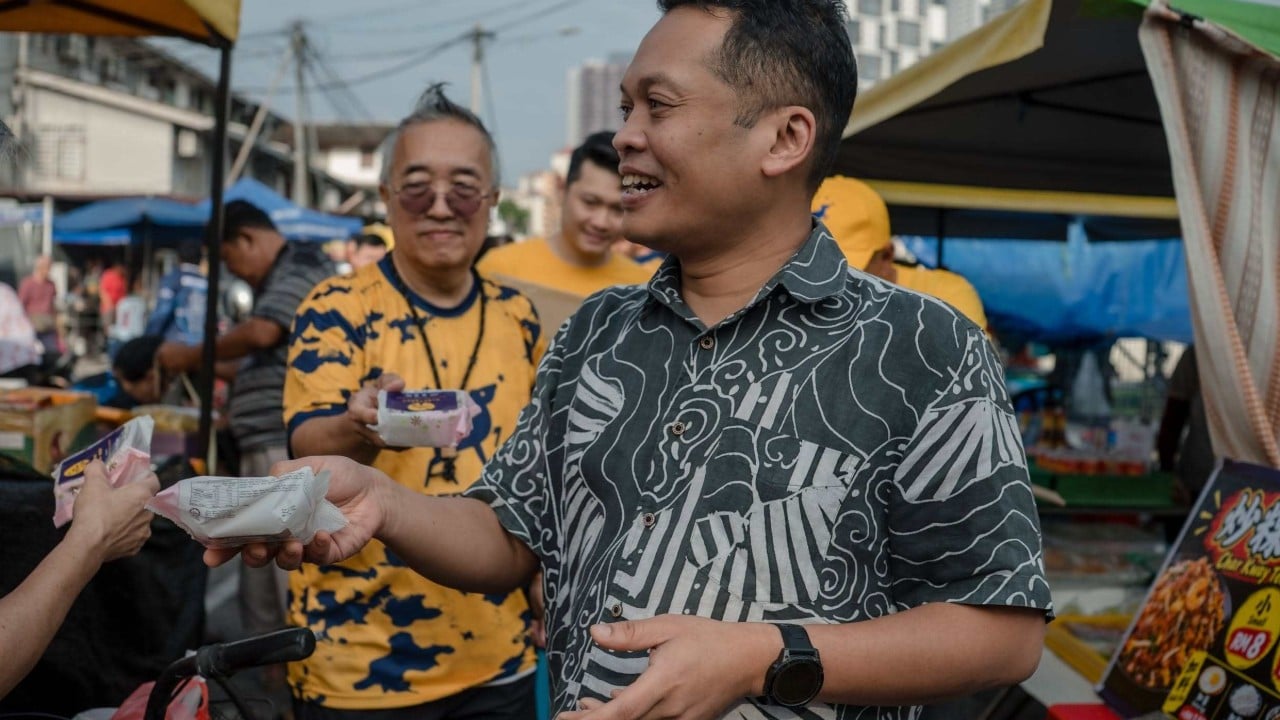
When former minister Nik Nazmi Nik Ahmad admitted he was detained over a suspected khalwat case in Petaling Jaya, the fallout hit Malaysian politics fast. Photos and clips circulating online made it worse. Within days, he apologised to his wife, families, and party members, calling the episode a "lapse in judgment" while insisting no improper conduct happened.
Let's be honest. Most quick wire summaries stop right there. They treat the story like a two-minute gossip item—who got detained, what the maximum fine is, and who issued a statement. That misses the actual weight of what unfolded in October 2026.
Nik Nazmi isn't a random backbencher trying to stay relevant. He served as Minister of Natural Resources and Environmental Sustainability (and earlier in the Natural Resources, Energy and Climate Change portfolio), represented Setiawangsa in Parliament, and helped relaunch Parti Bersama Malaysia (BERSAMA) in May 2026 as a third-force alternative. When a high-profile reformer gets caught up in a Selangor Islamic Religious Department (Jais) detention over close proximity, every single detail matters—the legal mechanics, the party discipline, the viral spread, and the political math for a young party trying to win trust.
How the Khalwat Arrest Unfolded in Petaling Jaya
According to Jais and subsequent statements, officers carried out the detention in the Petaling district on October 15, 2026, following a complaint. Nik Nazmi later confirmed he was one of two people detained with a woman at a residence in Petaling Jaya, explaining that they had started a discussion at a studio in Brickfields, Kuala Lumpur, before moving to continue reviewing project materials.
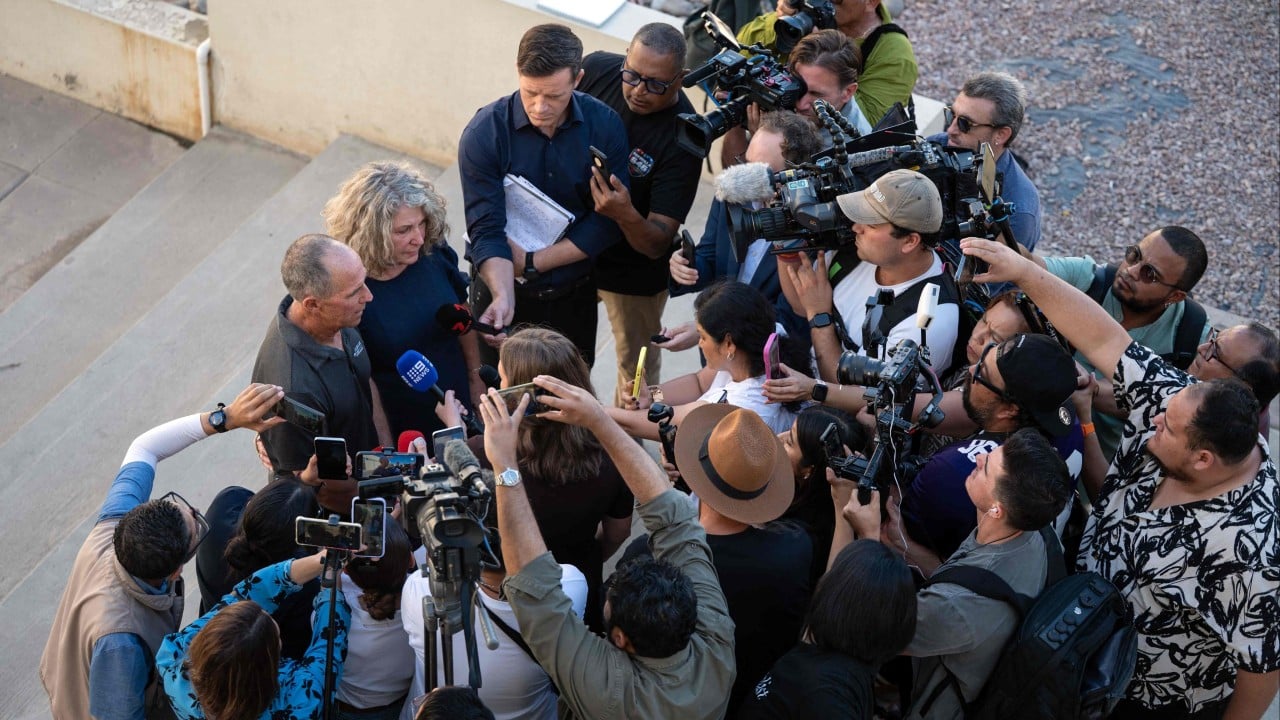
By his account, only the two of them were there when officers arrived, which he acknowledged crossed into an offence under state Syariah rules even though he denied any immoral or indecent acts. Under Selangor's Syariah Criminal Offences Enactment provisions covering khalwat, a conviction can carry a fine of up to RM3,000, up to two years in jail, or both. On October 27, 2026, Nik Nazmi spent more than three hours at the Jais office giving his statement as the investigation continued.
Notice how Jais framed its side of the story, too. Religious authorities emphasized a statutory duty to investigate when a complaint is lodged, while dismissing talk of a frame-up. In political scandals like this, both sides immediately try to control framing. Nik Nazmi leaned into accountability and a narrow explanation of intent—talking work, bad optics, no wrongdoing. Enforcement officials leaned into routine procedure and legal obligation.
Why a "Lapse in Judgment" Hits Differently for Bersama
Timing in politics is brutal, and October 2026 couldn't have been trickier for BERSAMA. Relaunched in May 2026 with a push to stand as an independent third force without formal alliances, the party was already fighting an uphill battle against established coalitions and splinter-party skepticism.
On October 17, BERSAMA moved to suspend Nik Nazmi from official party activities for three months, running from October 20, 2026, through January 19, 2027. Party leadership described the step as necessary and reasonable without wiping out his foundational work since the relaunch. Still, critics and rival voices wasted no time questioning whether a temporary freeze went far enough, arguing that leaders who claim the moral high ground need steeper consequences.
Here's where political analysts see a real split:
- Core supporters and insiders may view a three-month suspension as proportionate while the Jais probe plays out, especially if he owns the mistake without excuses.
- Swing and conservative Malay voters judge credibility through stricter lenses, and a moral controversy makes broadening a third-force base much harder.
- Media and social feeds turn ambiguity into a verdict long before any Syariah court ever hears a case, which is why Nik Nazmi urged people not to hold a trial in the media.
That tension is the heart of the story. Saying "I made a lapse in judgment, but we didn't do anything wrong" sounds reasonable over coffee. In politics, though, voters often hear two conflicting messages at once: an admission of poor judgment paired with a denial of misconduct. When you're building a brand around reform and competence, mixed signals linger.
What People Usually Get Wrong About Khalwat Cases
Outside observers—and even plenty of locals scrolling past sensational headlines—often lump every khalwat headline into the same bucket. That's lazy and inaccurate.
First, a detention or investigation isn't a conviction. Enforcement agencies act on complaints and suspected offences under state-level Islamic enactments, and suspects still go through investigation and potential prosecution before any guilt is legally established. Calling every viral clip a settled case skips basic due process.
Second, "close proximity" laws operate under specific state rules and definitions, not uniform federal criminal law across every state in Malaysia. Details like location, circumstances, and evidence matter enormously, which is why legal counsel and formal statements carry real weight once an investigation opens.
Third, politicians rarely survive or sink on legal technicalities alone. Public trust is emotional as much as legal. A politician can beat a charge or pay a minor fine and still lose political capital if voters feel misled—or, conversely, rebuild standing if they handle scrutiny with candor and time.
Practical Ways to Follow the Story Without Getting Played
If you're tracking this case or following Malaysian political developments, a few habits will save you from bad takes:
- Watch official milestones over rumor threads. Pay attention to confirmed updates from Jais, the Selangor Syariah prosecution side, and formal party notices rather than cropped social media clips.
- Separate conduct from policy track record. You can evaluate how a leader handled a personal error while still looking separately at their past administrative work or policy positions.
- Track what happens after January 19, 2027. A suspension has a clock on it. How BERSAMA handles Nik Nazmi's return—and whether formal charges ever materialize—will tell you far more than the first week of outrage.
(If you're signed in to a Google Account, saving this thread can make it easier to check back later as new updates come out.)
Nik Nazmi admits being detained for khalwat, apologises to wife
This short video clip covers Nik Nazmi's public admission of the Jais detention and his apology, giving quick visual context to the statement he made after the Petaling Jaya incident.