The house was entirely silent, save for the steady rhythm of breathing. Outside, the summer air hung heavy against the windowpanes, thick with the scent of pine and damp earth. Inside, the darkness was absolute. Curtains drifted slightly in the draft of an open window, an invitation to the night that most of us extend without a second thought when the heat becomes too much to bear.
Sleep was deep. Heavy. The kind of rest that blurs the boundary between consciousness and oblivion. If you enjoyed this piece, you might want to look at: this related article.
Then came the touch.
It was not heavy. It was a whisper of friction, a feather-light brush against the lips, so subtle that the sleeping mind registered it merely as a stray lock of hair or a passing dream. But reality intruded instantly. A sudden, frantic fluttering. A tiny, panicked heartbeat pressed directly against the skin. For another angle on this development, check out the recent coverage from World Health Organization.
She woke to a nightmare.
Most of us carry a silent mental catalog of things that terrify us. We fear the dark, the unknown, the sudden screech of tires on asphalt. Yet very few of us calculate the risk of a wild mammal sharing our pillow while we sleep. We lock our doors against human intruders, seal our windows against burglars, and completely forget that nature operates on an entirely different scale of entry.
Consider what happens next: panic takes over.
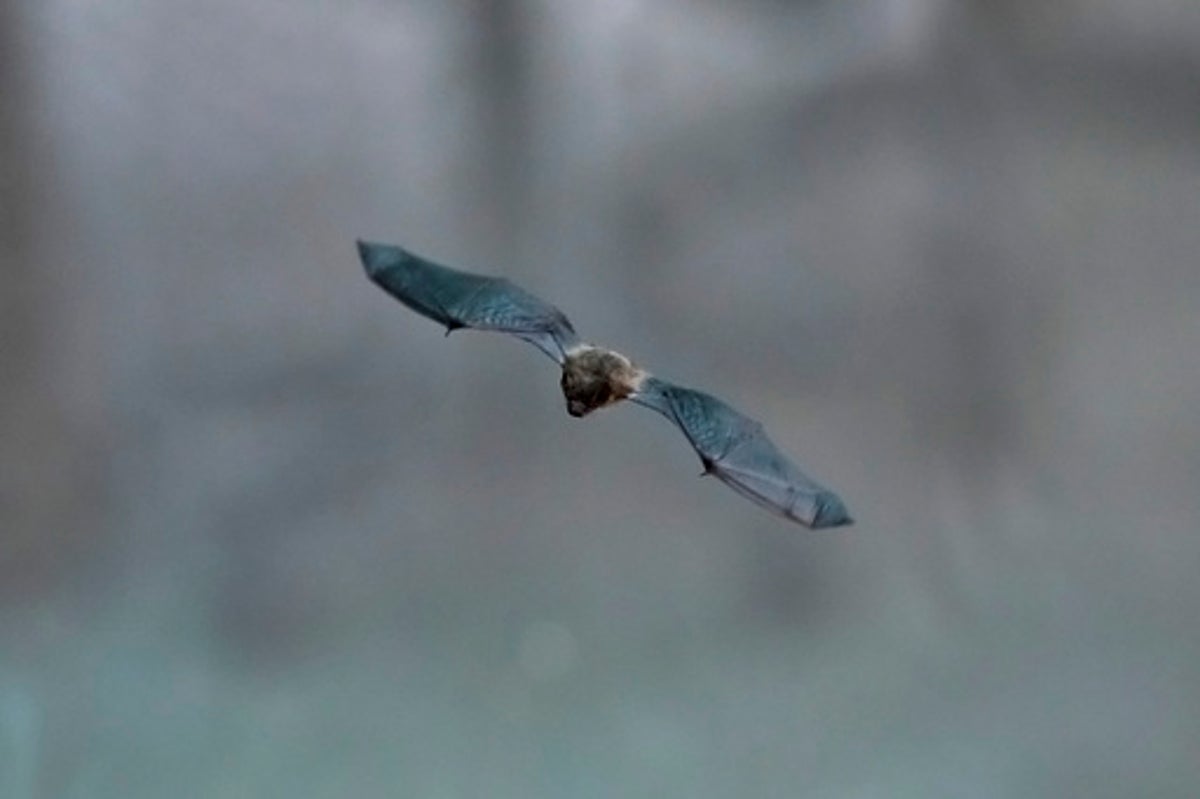
When a small brown bat found its way into a bedroom and crawled directly into a sleeping woman's mouth, the immediate reaction was sheer, unadulterated shock. To understand this event is to step past the initial revulsion and look directly at the invisible stakes. Why did it happen? How does a creature renowned for its sophisticated echolocation end up inside a human airway?
The answer lies in the biology of roosting and the deceptive vulnerability of our summer habits. Bats are nocturnal navigators, searching for cool, dark crevices during daylight hours or chasing insects through open architecture. To a confused microbat, a quiet, open room can mimic the safety of a cave. An open mouth, resting slightly agape in deep sleep, can mistakenly register as a sheltered micro-habitat, or the animal simply blundered blindly into a physical obstruction while darting across the room.
It sounds bizarre. It sounds like an urban legend born from late-night campfire tales. But public health agencies track these incidents with grim regularity.
Medical science views this scenario through a singular, uncompromising lens: rabies.
The risk is not about the bite you feel; it is about the bite you miss. Bat teeth are microscopic, needle-sharp, and capable of leaving wounds so minuscule they heal before morning without a trace. When a bat makes direct contact with a mucous membrane, the assumption changes from an unlikely coincidence to a medical emergency. Post-exposure prophylaxis becomes mandatory. Series of injections. The cold reality of modern preventive medicine clashing violently with a quiet night in bed.
I know the chill of that realization. Years ago, waking up to the frantic rustle of wings trapped behind a bedroom curtain taught me a lesson about the boundary between the wild and the domestic. You realize, with sudden clarity, how fragile our domestic bubbles really are. We build walls and drywall, put up screens, and pretend we live in a sealed ecosystem. We do not. The natural world presses constantly against the edges of our lives, waiting for a torn mesh, a propped-up sash, a single moment of oversight.
The aftermath of such an encounter leaves an indelible mark. Every warm summer night changes after that. The window stays shut, or the mesh screen is checked twice, fingers tracing the aluminum frame to ensure there is not a single millimeter of escape for the outside world. The mind replays the sound of frantic wings against the glass.
We like to think we are separate from the wilderness. We sit in climate-controlled rooms, scroll through glowing rectangles, and imagine ourselves safely removed from the ancient struggles of survival and shelter. Yet, every now and then, a winged shadow slips through the dark. It reminds us that we share this planet with creatures ancient, silent, and entirely indifferent to our human definitions of personal space.
Lock the screen. Check the latch. The night is watching.